- English
- French
- German
- Portuguese
- Spanish
- Russian
- Japanese
- Korean
- Arabic
- Greek
- German
- Turkish
- Italian
- Danish
- Romanian
- Indonesian
- Czech
- Afrikaans
- Swedish
- Polish
- Basque
- Catalan
- Esperanto
- Hindi
- Lao
- Albanian
- Amharic
- Armenian
- Azerbaijani
- Belarusian
- Bengali
- Bosnian
- Bulgarian
- Cebuano
- Chichewa
- Corsican
- Croatian
- Dutch
- Estonian
- Filipino
- Finnish
- Frisian
- Galician
- Georgian
- Gujarati
- Haitian
- Hausa
- Hawaiian
- Hebrew
- Hmong
- Hungarian
- Icelandic
- Igbo
- Javanese
- Kannada
- Kazakh
- Khmer
- Kurdish
- Kyrgyz
- Latin
- Latvian
- Lithuanian
- Luxembou..
- Macedonian
- Malagasy
- Malay
- Malayalam
- Maltese
- Maori
- Marathi
- Mongolian
- Burmese
- Nepali
- Norwegian
- Pashto
- Persian
- Punjabi
- Serbian
- Sesotho
- Sinhala
- Slovak
- Slovenian
- Somali
- Samoan
- Scots Gaelic
- Shona
- Sindhi
- Sundanese
- Swahili
- Tajik
- Tamil
- Telugu
- Thai
- Ukrainian
- Urdu
- Uzbek
- Vietnamese
- Welsh
- Xhosa
- Yiddish
- Yoruba
- Zulu
Advantages of Tapered Bore Bearings in Industrial Drives
Industrial drive systems need bearings that can keep their accuracy and dependability even when they're under a lot of stress. Because they have an innovative conical inner ring shape, tapered bore bearing Solutions work very well in these tough conditions. In contrast to standard straight bore options, these specialized parts offer better load distribution and adjustable radial clearance. Because of their special shape, they can fit shafts perfectly and keep them in place more reliably. This makes them necessary for wind turbine turning systems, mining equipment, and heavy machinery where downtime directly affects profits.
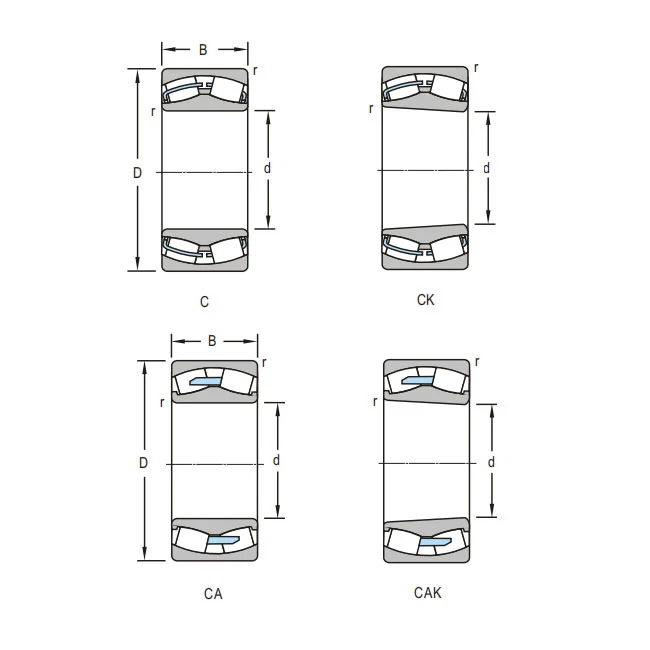
Understanding Tapered Bore Bearings and Their Design Features
Structural Innovation and Engineering Excellence
Self-aligning roller bearings with tapered inner holes are a big step forward in the science of bearings. The inner ring has a perfectly machined conical bore that can have a standard taper ratio of 1:12 or 1:30 to fit the needs of different shaft systems. With this design, engineers can change the radial space by turning the mounting nuts. This gives them fine-tuning options that straight bore bearings can't offer.
The outer ring has two sets of ribs that hold the two rows of spherical rollers firmly in place within their cages. This open design makes it easier for heat to escape while keeping the structure strong under heavy loads. The spherical roller elements automatically fix misaligned shafts, lowering the stress levels that usually lead to early bearing failure in stiff mounting setups.
Material Composition and Manufacturing Standards
When INNO Bearing makes these parts, they use high-quality GCr15 bearing steel for both the inner and outer rings. This gives them great resistance to wear and stability in their dimensions. The spherical rollers are made of the same high-quality steel, but they go through special heat treatment methods that make them stronger and able to carry more weight. Cages can be made of pressed steel or brass, which is chosen based on the temperature and lubrication needs of the machine.
P0 and P6 tolerance levels are reached during precise manufacturing, which means that it meets strict industry standards for surface finish and accuracy of measurements. Modern cutting methods make sure that the tapered bore stays the same shape across a size range of 30–500 mm in diameter, 62–1000 mm in diameter, and 20–200 mm in width.
Top Advantages of Tapered Bore Bearings in Industrial Drives
Superior Load Management and Distribution
The main benefit of conical bore geometry is that it can handle both radial and axial pressures very well at the same time. This ability to handle two loads at once is very useful in wind energy uses where the wind loads on the main shafts of turbines are always changing. The tapered interface spreads these forces more equally across the bearing contact surfaces. This lowers the peak stress concentrations that normally lead to early wear.
This improved load distribution is very good for mining tools. Heavy-duty fans, auxiliary rolls in steel mills, and conveyor systems all work under very heavy loads. If a bearing fails, output has to stop, which costs a lot of money. The strong design can handle shock loads and vibrations while keeping the rotation smooth, which means it will last longer than other tapered bore bearing options.
Precision Assembly and Maintenance Benefits
When you look at tapered bore systems next to their straight bore versions, the installation benefits become clear. The cone-shaped interface gets rid of the need for complicated hydraulic mounting methods, which cuts down on installation time and the costs of labor. Using standard fixing nuts, maintenance teams can get the right bearing preload, which makes field service work easier.
Because the radial clearance can be changed, techs can fix problems like worn shafts or thermal expansion without having to replace the whole bearing. This ability to be adjusted is especially useful for electric motor spindles, where exact clearances have a direct effect on how accurately they rotate and how much vibration they cause. This function is useful for port machinery operators who have to work on ship-to-shore cranes in rough seas.
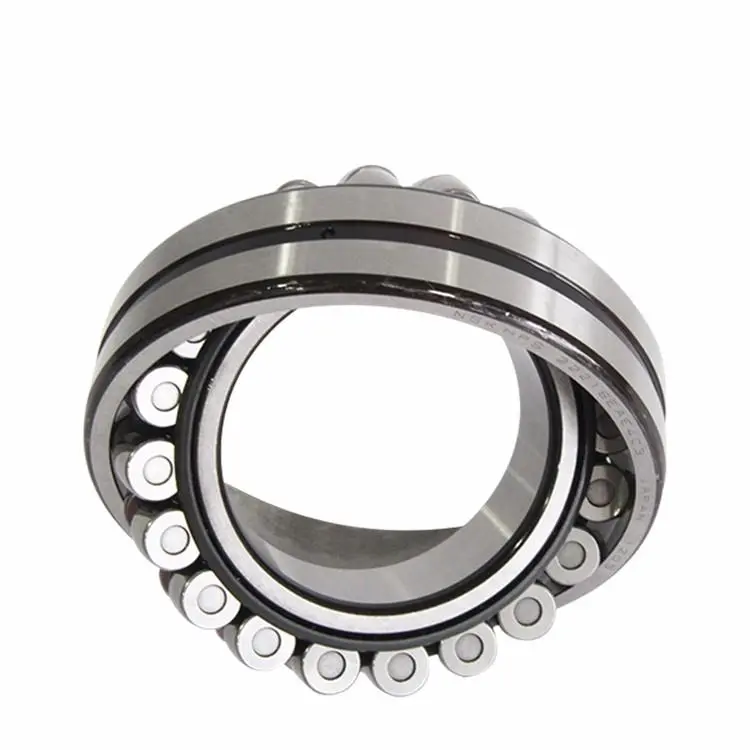
Comparative Analysis: Tapered Bore Bearings vs Other Bearing Types
Performance Advantages Over Cylindrical Alternatives
When you add or remove straight bore bearings, interference fits are needed, which can damage the shafts. The tapered shape gets rid of these problems and makes axial positioning more accurate. Heavy machinery makers are asking for more and more conical bore options for excavator swing mechanisms and tunnel boring machine drive systems, where precise positioning affects how well the machines work.
Spherical roller bearings with straight bores can't be adjusted as well as curved types. The cone-shaped interface lets you adjust the clearance in real time, which is especially helpful in metalworking situations where changing temperatures can affect the performance of bearings. When rolling mill backup systems are changed from cylindrical to tapered bore configurations, steel plant workers say that repair intervals get longer.
Application-Specific Selection Criteria
The best bearings for certain industrial drives are chosen based on the required tolerances and the reliability of the shaft system. The 1:12 taper ratio works well for most general uses and gives you enough adjustment range for normal shaft tolerances. For uses that need to be very accurate, like aerospace radar positioning systems or satellite tracking equipment, the 1:30 configuration lets you fine-tune things very precisely.
When choosing bearings for big pieces of industrial equipment, size becomes very important. The wide range of sizes can be used for everything from small electric motor uses to huge mining equipment installations. Custom solutions go beyond standard sizes to meet the specific needs of offshore platform construction and specialized defense uses.
Procurement Considerations and Choosing the Best Tapered Bore Bearing
Supplier Evaluation and Quality Assurance
Industrial procurement teams have to judge bearing providers based on their ability to make things, their quality systems, and their technical support infrastructure. Well-known brands like SKF, Timken, and NSK offer high quality standards, while specialized sources like INNO Bearing provide affordable options that can be customized in a lot of ways. The important thing is to choose providers whose quality is always the same by using certified testing methods and thorough documentation.
In addition to checking the dimensions, quality control includes mechanical analysis, making sure the surface is smooth, and making sure the product works well in real-world situations. Tracking the raw materials used in important projects is necessary because if a tapered bore bearing fails, it could put people in danger or damage the environment. To help with planning for reliability and maintenance, suppliers must give thorough material certifications and testing records.
Cost Optimization and Supply Chain Management
Strategies for buying in bulk can cut bearing costs by a lot while keeping quality high across multiple sites. OEM agreements make it possible to create custom solutions that improve the performance of bearings for each drive system. These connections are especially helpful when designing new equipment or making improvements to old equipment to make operations run more smoothly.
Long-term supply agreements make costs predictable and make sure that you can get specialized goods even when the market changes. When setting up these partnerships, procurement managers should look at how financially stable the seller is, how much they can produce, and where they can deliver the goods. Regional infrastructure for warehousing and expert support has a direct effect on project timelines and calculations of the total cost of ownership.
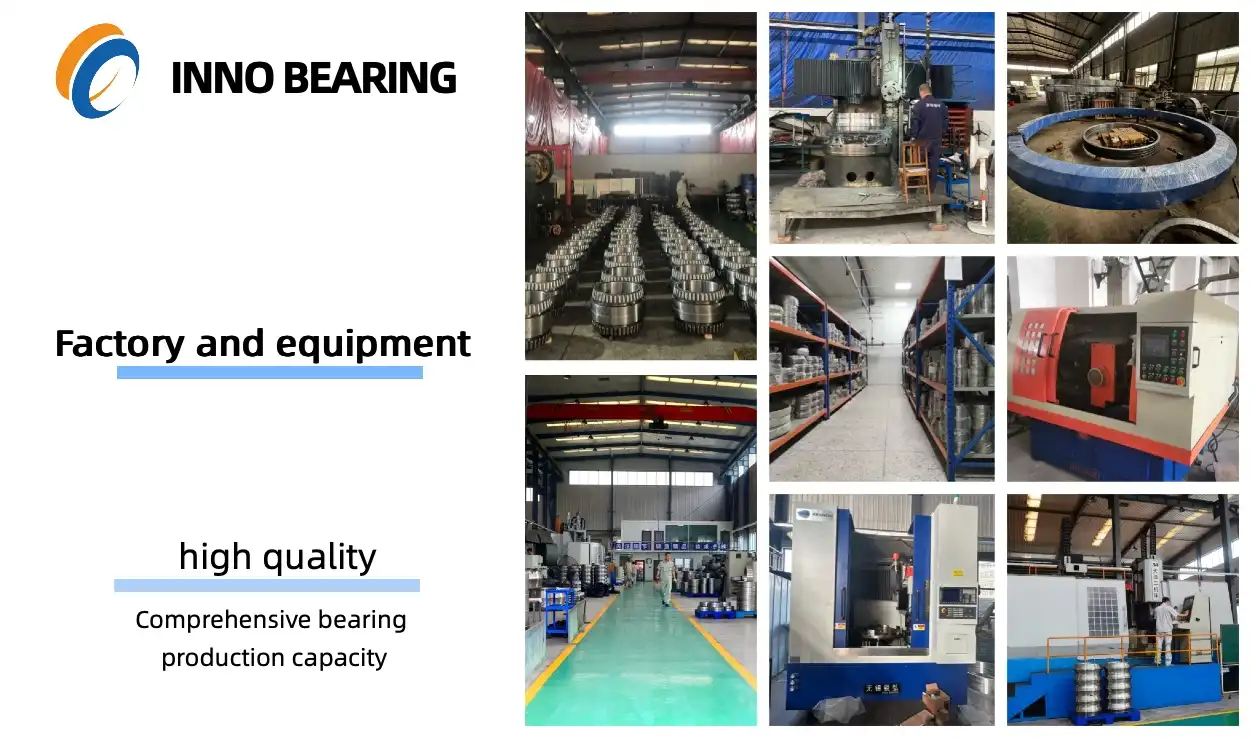
INNO Bearing: Your Trusted Tapered Bore Bearing Supplier
Three Decades of Engineering Excellence
INNO Bearing has established itself as a leading manufacturer of precision bearings through nearly 30 years of dedicated focus on large and non-standard bearing solutions. Our expertise extends to components up to 5000mm diameter, serving demanding applications in wind energy, mining, metallurgy, and marine industries. The combination of advanced manufacturing capabilities and comprehensive quality control systems ensures consistent product performance across our entire range.
Our engineering team collaborates closely with customers to develop optimized bearing solutions that address specific operational challenges. Custom modifications include specialized seal configurations, alternative cage materials, and enhanced lubrication features that extend service life in harsh environments. This collaborative approach has resulted in successful installations across diverse industrial sectors, from Arctic mining operations to tropical port facilities.
Comprehensive Product Portfolio and Services
Standard product availability includes bearing sizes from 20mm to 5000mm diameter, manufactured to ABEC-3 through P4 precision levels. Material options encompass traditional bearing steels and advanced ceramic compositions for specialized applications requiring non-magnetic properties or extreme temperature resistance. The modular manufacturing approach enables rapid prototyping and production scaling to meet urgent project requirements.
Technical support services include application engineering, installation guidance, and predictive maintenance planning. Our IoT monitoring systems provide real-time bearing health data, enabling proactive maintenance scheduling that minimizes unexpected downtime. The combination of quality products and comprehensive support services delivers measurable value through improved equipment reliability and reduced total cost of ownership.
Conclusion
The advantages of tapered bore bearings in industrial drives stem from their unique combination of adjustable clearance, superior load handling, and simplified maintenance procedures. These benefits translate directly into improved equipment reliability, reduced operational costs, and enhanced productivity across diverse industrial applications. The investment in quality bearing solutions from experienced manufacturers like INNO Bearing provides long-term value through extended service life and comprehensive technical support.
FAQ
What makes tapered bore bearings superior to straight bore alternatives?
The conical inner ring design provides adjustable radial clearance and better load distribution compared to fixed clearance straight bore bearings. This adjustability allows optimization for specific operating conditions while simplifying installation procedures.
How do I determine the correct taper ratio for my application?
The 1:12 taper suits most general industrial applications, while the 1:30 ratio enables precise adjustment for high-accuracy requirements. Consider shaft tolerances, thermal expansion, and clearance adjustment needs when making this selection.
What maintenance procedures optimize bearing performance?
Regular lubrication monitoring, clearance checking, and vibration analysis help identify potential issues before failure occurs. The adjustable nature of tapered bore bearings allows corrective action through clearance adjustment rather than immediate replacement.
Partner with INNO Bearing for Superior Tapered Bore Bearing Solutions
INNO Bearing delivers engineered bearing solutions that enhance your industrial drive performance through three decades of manufacturing excellence. Our tapered bore bearing portfolio spans standard configurations to fully customized designs, supported by comprehensive technical services and rapid delivery capabilities. Contact our engineering team at sales@inno-bearing.com to discuss your specific requirements and discover how our precision bearings can optimize your equipment reliability and operational efficiency.
References
Harris, T.A. & Kotzalas, M.N. "Essential Concepts of Bearing Technology: Rolling Bearing Analysis, Fifth Edition." CRC Press, 2006.
Palmgren, A. "Ball and Roller Bearing Engineering: Third Edition." SKF Industries Inc., 1959.
Eschmann, P., Hasbargen, L. & Weigand, K. "Ball and Roller Bearings: Theory, Design and Application." John Wiley & Sons, 1985.
Jones, A.B. "A General Theory for Elastically Constrained Ball and Radial Roller Bearings Under Arbitrary Load and Speed Conditions." ASME Journal of Basic Engineering, 1960.
Lundberg, G. & Palmgren, A. "Dynamic Capacity of Rolling Bearings." Acta Polytechnica Scandinavica, Mechanical Engineering Series, 1947.
Tallian, T.E. "Failure Atlas for Hertz Contact Machine Elements: Second Edition." ASME Press, 1999.

Learn about our latest products and discounts through SMS or email