- English
- French
- German
- Portuguese
- Spanish
- Russian
- Japanese
- Korean
- Arabic
- Greek
- German
- Turkish
- Italian
- Danish
- Romanian
- Indonesian
- Czech
- Afrikaans
- Swedish
- Polish
- Basque
- Catalan
- Esperanto
- Hindi
- Lao
- Albanian
- Amharic
- Armenian
- Azerbaijani
- Belarusian
- Bengali
- Bosnian
- Bulgarian
- Cebuano
- Chichewa
- Corsican
- Croatian
- Dutch
- Estonian
- Filipino
- Finnish
- Frisian
- Galician
- Georgian
- Gujarati
- Haitian
- Hausa
- Hawaiian
- Hebrew
- Hmong
- Hungarian
- Icelandic
- Igbo
- Javanese
- Kannada
- Kazakh
- Khmer
- Kurdish
- Kyrgyz
- Latin
- Latvian
- Lithuanian
- Luxembou..
- Macedonian
- Malagasy
- Malay
- Malayalam
- Maltese
- Maori
- Marathi
- Mongolian
- Burmese
- Nepali
- Norwegian
- Pashto
- Persian
- Punjabi
- Serbian
- Sesotho
- Sinhala
- Slovak
- Slovenian
- Somali
- Samoan
- Scots Gaelic
- Shona
- Sindhi
- Sundanese
- Swahili
- Tajik
- Tamil
- Telugu
- Thai
- Ukrainian
- Urdu
- Uzbek
- Vietnamese
- Welsh
- Xhosa
- Yiddish
- Yoruba
- Zulu
Best Roller Bearing Brands for Industrial Machinery
When searching for the best roller bearing brands for industrial machinery, engineering professionals demand components that deliver exceptional load capacity, durability, and precision. The selection process involves evaluating established manufacturers alongside specialized suppliers who understand unique operational requirements. INNO Bearing has emerged as a trusted global partner, offering comprehensive bearing Solutions that bridge the gap between standard products and custom applications, ensuring industrial machinery operates at peak performance across diverse sectors.
Understanding Roller Bearings and Their Industrial Applications
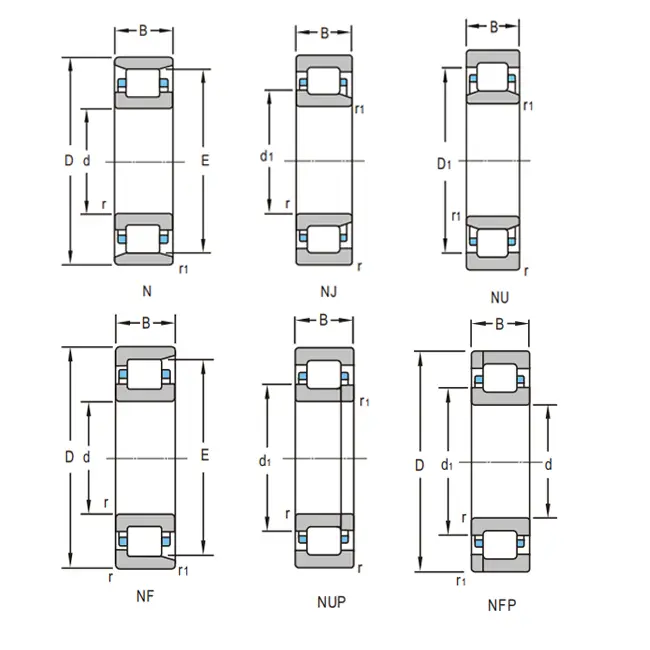
Roller bearing technology is a more advanced way to handle mechanical loads. It uses cylinder-, taper-, spherical-, or needle-shaped rolling elements to spread forces over bigger contact areas than ball bearings. Roller bearings are the best option for heavy-duty industrial uses because of this basic design advantage, which also increases stiffness.
Types and Design Variations
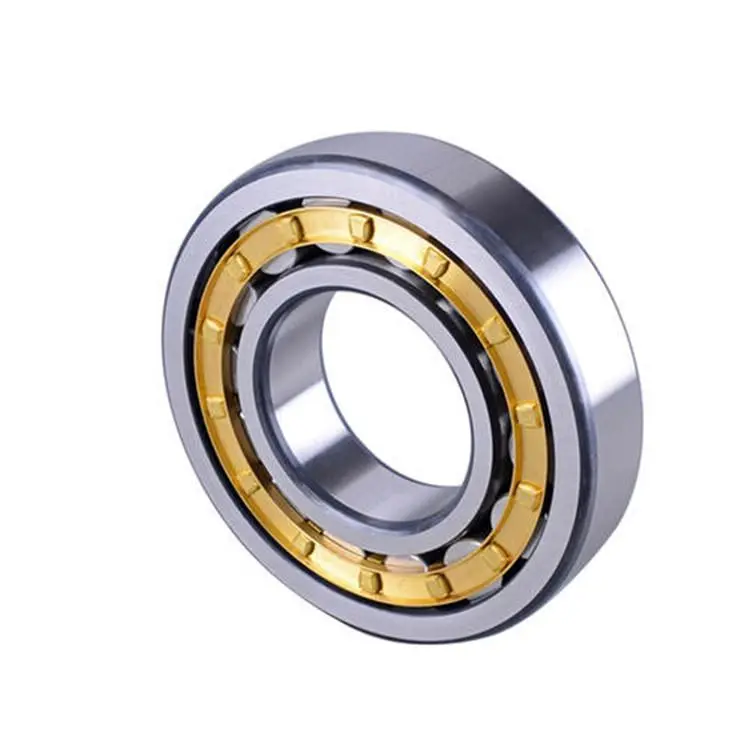
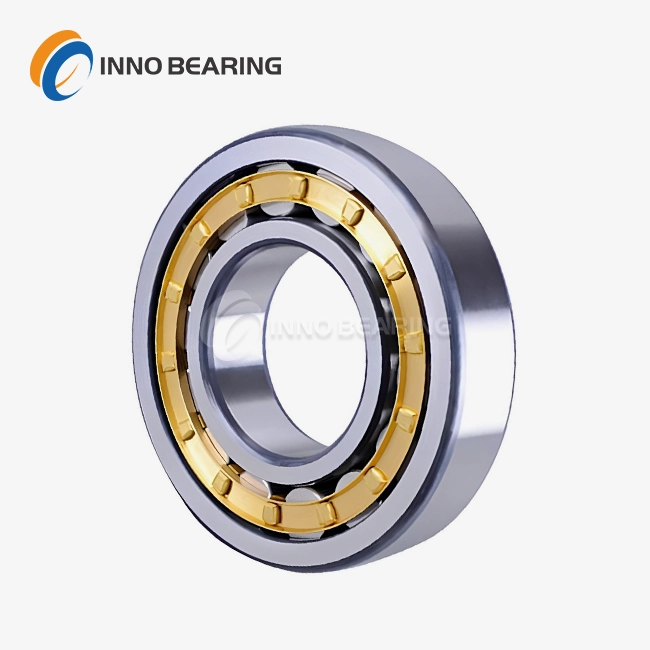
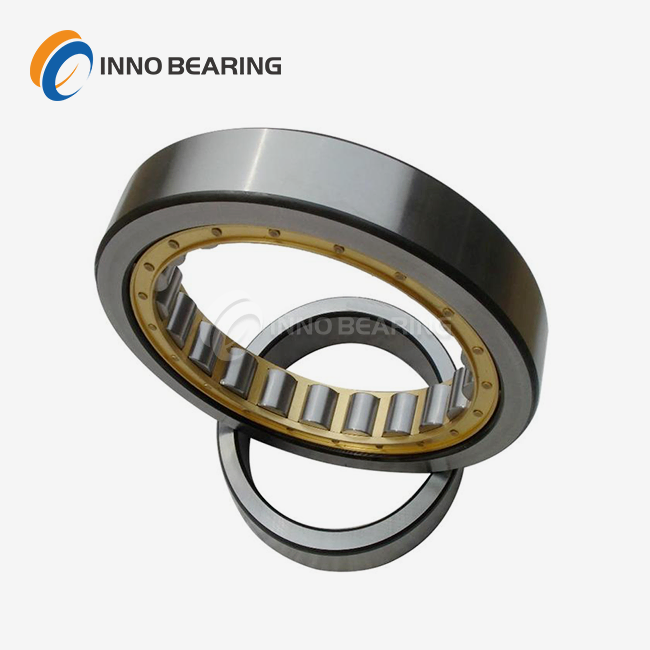
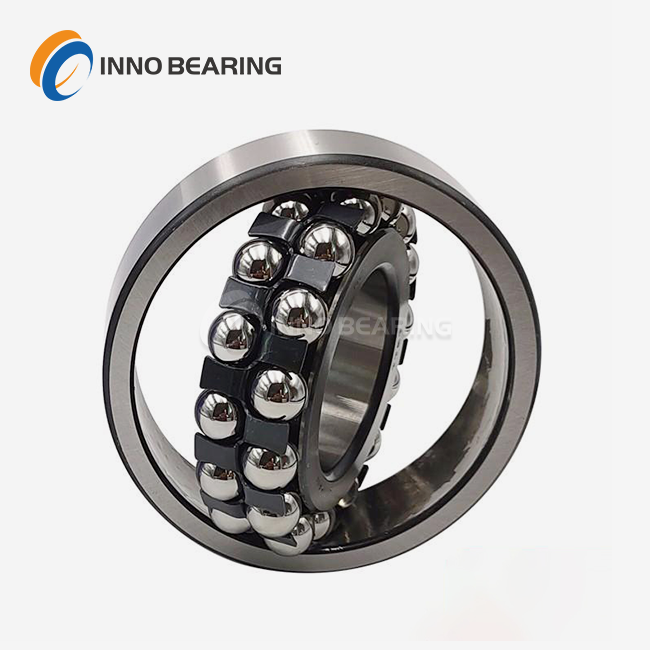
In industrial settings, roller bearings need to be configured in a certain way to handle specific operating tasks. When there is a horizontal load, Cylindrical roller bearings work great and can hold up huge loads in mining equipment and other big machinery. Tapered Roller Bearings can handle both radial and axial loads at the same time, which makes them perfect for big building tools and the main blades of wind turbines. Spherical roller bearings can handle misalignment and heavy loads, making them important in situations where the shaft bends.
The science behind modern roller bearings has come a long way. They are made with high-quality steel alloys, go through special heat treatments, and have surface coats that make them last longer. Premium makers use steel that has been vacuum-degassed to get better cleanliness levels that make bearings last longer in tough situations. But traditional steel is still the standard for most industry uses, even though ceramic and hybrid forms work better in high-speed or corrosive conditions.
Performance Advantages in Industrial Settings
Industrial users can better understand the performance benefits of roller bearings compared to other types of bearings by learning about their design features. The line contact between the rollers and raceways spreads loads more evenly than the point contact of ball bearings, which lets them handle higher loads within the same envelope size. This benefit is very important in places where room is limited, like on digger swing mechanisms, crane turntables, and mill drive systems.
Different bearing types and makers have very different levels of environmental resistance. In dusty mine areas, sealed roller bearings keep out dirt, and in marine settings, special coatings keep out corrosion. Advanced lubrication systems make repair times longer, which lowers costs and downtime in places like wind farms and ocean sites that are far away.
Comparison of Leading Roller Bearing Brands in the Market
There are a number of well-known companies in the global bearing business, and each one has its own benefits for industrial use. Procurement workers can make better choices that meet their operational needs when they know about brand strengths, new technologies, and market positioning.
Premium Tier Manufacturers
SKF stays at the top of the market for roller bearing by constantly coming up with new products and giving a wide range of options. The Swedish company's name comes from its advanced technical skills, large investments in research and development, and track record of success in tough environments. The Explorer line of bearings from SKF has improved internal geometry and surface processes that make them last a lot longer than regular designs.
Timken has over a hundred years of experience working with heavy-duty uses and is a master in tapered roller bearing technology. The American company does great work unique building solutions for heavy loads, especially in mining and steel production equipment. Because Timken knows a lot about metals, they can make bearings that can handle shock loads and hard working conditions.
NSK offers reliable bearing solutions in a wide range of industrial fields by combining Japanese precision production with a global reach. OEMs that need reliable performance and a supply chain like how the company focuses on quality control and consistent production. NSK's expert support helps engineers choose the best bearings and create the best applications for them.
Specialized Technology Leaders
Many of the latest advances in spherical roller bearing technology were made by FAG, which is now part of the Schaeffler Group. Their knowledge of large-diameter bearings helps with wind energy and big machinery, where regular bearings can't do the job. Customers can get help from FAG's engineers to find the best bearing arrangements for their needs, taking into account things like load conditions and environmental issues.
Precision production is what NTN does best when tight tolerances and reliable quality are needed. The Japanese company's bearing solutions can handle high speeds while still holding a load, which makes them good for industrial gears and machine tool frames. Because NTN cares about the quality of the surface finish, bearings last longer and need less upkeep.
Emerging Market Considerations
Specialized makers that make solutions for specific applications have made the bearing business more competitive. Most of the time, these smaller businesses offer better value because they have specialized knowledge, shorter lead times, and the ability to customize products in ways that bigger makers can't easily match. INNO Bearing is a good example of this method because it combines almost 30 years of knowledge with the ability to make products in a way that fits the needs of each customer.
Quality standards among trustworthy makers have gotten a lot more similar, and ISO certifications make sure that manufacturing methods are always the same. Instead of simple product quality, what sets one company apart now is application expertise, supply chain flexibility, and help after the sale. This change is good for business buyers because it gives them more choices while still ensuring quality.
How to Choose the Best Roller Bearing Brand for Your Industrial Needs?
To choose the best roller bearing brands, you need to carefully look at technical needs, working limitations, and the supplier's abilities. During the decision-making process, many people are involved, such as engineering teams, procurement workers, and support staff. Each of these groups brings a different set of ideas to the selection criteria.
Technical Evaluation Criteria
Bearings are chosen based on their load needs, which include the radial, axial, and moment loads that they must be able to handle over their entire life. Dynamic load ratings show how much weight something can hold when it's moving, while static load ratings are for situations where the load doesn't change and the load stays the same or slowly moves. Knowing how loads are distributed helps you find the best bearing types and arrangements for performance and durability.
Operating factors have a big effect on the choice of bearing and brand. Extreme temperatures, levels of contamination, lubrication limitations, and speed needs cut down the list of choices that will work. Bearings for offshore wind turbines have to deal with a lot of different problems than bearings for mine crushers. They need to be designed and made in ways that work best in those settings.
Different uses have very different precision needs. For example, general industrial tools can work with normal tolerances, but aerospace uses need to be very precise. Bearing makers offer different levels of accuracy, and the costs that come with them must match the performance needs, not just make-believe requirements.
Supply Chain and Business Considerations
Lead times and the dependability of deliveries affect both project plans and tactics for managing inventory. Well-known brands usually have large distribution networks and keep standard items in stock in different areas. This makes delivery times faster for common items. Custom or large-diameter bearings often have longer lead times, no matter who makes them, so you need to start making your purchases early.
The initial buy price is only one part of the total cost of ownership. Other parts include installation costs, upkeep needs, and replacement times. Even though they cost more at first, premium bearings often end up being more valuable because they last longer and need less upkeep. In situations where replacing bearings requires a lot of machine downtime, this study becomes even more important.
INNO Bearing's Value Proposition
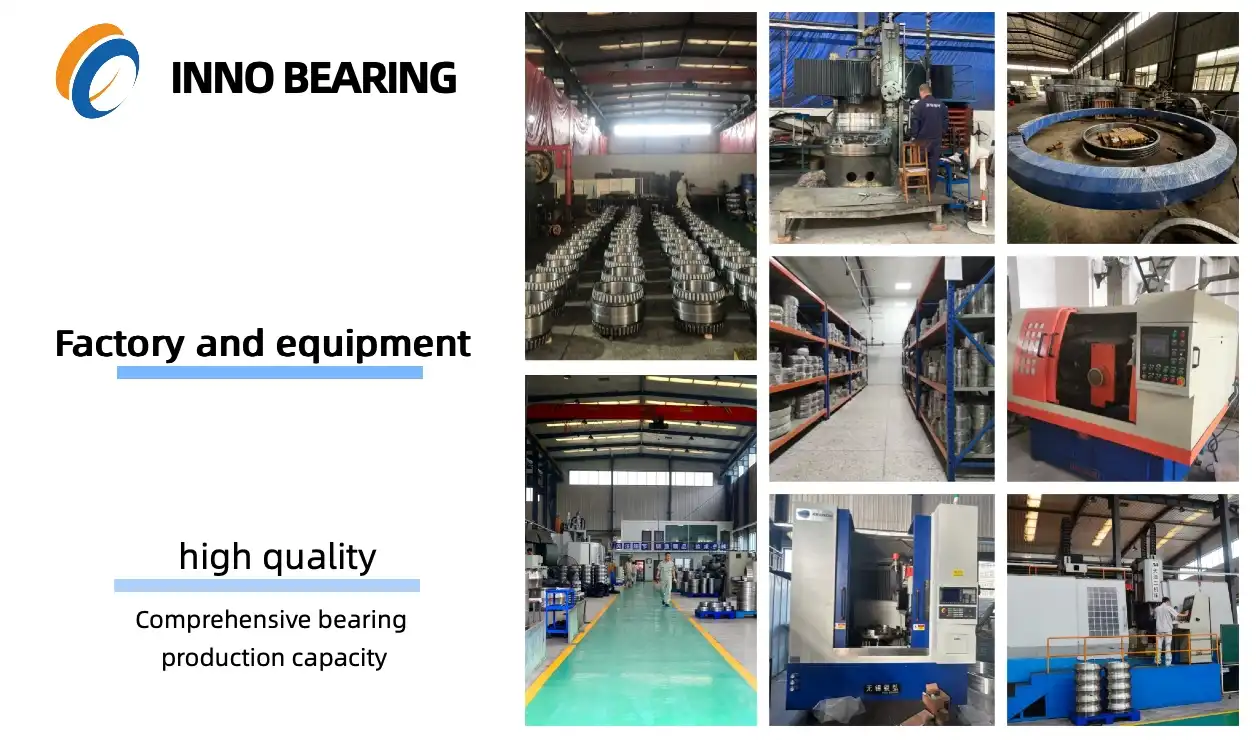
INNO Bearing takes these factors into account because they have a lot of experience with big and non-standard bearing uses. We can make bearings with a width of up to 5000 mm, so we can meet the needs of situations where standard catalog goods aren't enough. Because of this specialization, unique solutions can be made that improve performance for specific operating needs while keeping prices low by using efficient manufacturing methods.
During the selection process, our expert support team works with customers to provide engineering analysis, application advice, and performance validation. This consultative method lowers the risks of buying and makes sure that bearing solutions match real operating needs instead of general requirements. Our quality control methods and testing tools also allow for traceability and performance proof that meets the highest standards in the business.
Procurement Insights: How to Effectively Buy Roller Bearings for Industrial Machinery?
Effective roller bearing buying strategies strike a balance between the quality of the product, the dependability of the provider, and lowering costs while making sure that the products are real and meet the needs of the application. Because industrial bearing uses are so complicated, they need complex ways to buy them that take into account both short-term needs and long-term operational plans.
Supplier Authentication and Quality Assurance
The most important part of successful buying is getting genuine bearings from trustworthy providers. Fraudulent bearings put machine efficiency and worker safety at great risk, especially in heavy-duty settings where bearing failures can do a lot of damage. Building connections with approved manufacturers and distributors gives you access to technical help and quality assurance that you can't get through unofficial routes.
Quality certifications and test reports confirm the specs and production standards for bearings. Certifications like ISO 9001 show that quality management systems are in place, while certifications specific to a sector show that the system meets the needs of that sector. Traceability paperwork lets you look into failures and file warranty claims when you need to, which protects your purchase investments.
For specific uses or high-volume needs, direct partnerships with manufacturers can be helpful. Manufacturers offer expert help, the ability to customize products, and lower prices that can't be found through distribution platforms. However, long lead times and minimum order amounts may mean that direct buying can only be used in certain situations.
Pricing and Volume Considerations
Figuring out how bearing prices work can help you get the best deals on goods while still meeting quality standards. Catalog bearings have lower prices and economies of scale because they are made in large quantities. Custom uses, on the other hand, cost more because of the time and money spent on creating and making them. At different quantity levels, volume savings become available, which encourages tactics for combining purchases.
Ordering in bulk can save you money, but it also raises the costs of keeping supplies and the risk of running out of stock. Blanket purchase orders with planned releases are a good way to balance cost efficiency with inventory management, especially for bearings that are used in a lot of different situations. This method also protects prices against changes in the market while keeping supply flexible.
INNO Bearing's Procurement Advantages
INNO Bearing speeds up the buying process by having a deep understanding of both the products and how they are used. Our team helps customers find the best bearing specs and may also be able to find other options that offer better performance or lower costs. When people work together, they often find ways to standardize bearing needs across multiple applications, which saves time and money.
Because we can make things, we can offer custom solutions with short wait times—often faster than getting specialized goods from faraway makers. This benefit is especially useful for projects that need to be done quickly or for uses that need specific requirements. In addition, our presence in the area lets us quickly respond to urgent needs and provide expert advice.
Quality standards and guarantee support show that you trust the performance of your products and protect your customers' investments. We can test bearings to make sure they meet specs and give performance reports that meet customer quality standards. This all-around method lowers the risks of procurement while making sure that bearing options meet practical needs.
Conclusion
To choose the right roller bearing brands, you need to look at all of your technical needs, the supplier's skills, and your operating limitations. Leading makers offer tried-and-true solutions for common uses, while specialized sources like INNO Bearing make solutions that are specifically made for each customer's needs. Instead of just looking at the original purchase price, it's better to carefully consider the load needs, the environment, and the total cost of ownership. For bearing procurement to go well, you need to mix good product quality with good supplier support. This will ensure long-term operating success through proper selection, installation, and upkeep.
FAQ
What distinguishes roller bearings from ball bearings in industrial applications?
Roller bearings utilize cylindrical, tapered, or spherical rolling elements that create line contact with bearing raceways, distributing loads across larger surface areas compared to the point contact of ball bearings. This design advantage enables higher load-carrying capacity and increased stiffness, making roller bearings ideal for heavy-duty industrial applications. The enhanced load distribution reduces contact stress and extends bearing life under heavy radial or combined loading conditions.
How do I verify authentic bearings and avoid counterfeit products?
To be sure that a bearing is real, it must be bought from an authorized dealer or producer who can provide the right paperwork and trackability. Genuine bearings have uniform marking quality, come in the right package with the manufacturer's name on it, and come with Certificates of compliance. Surface finish, measurement accuracy, and material uniformity all show differences in quality that can be seen with the naked eye. By working with reliable providers, you can avoid the risk of fakes and be sure that your warranty and technical help will be covered.
What maintenance practices extend roller bearing service life most effectively?
Proper lubrication management is the most important part of upkeep. It includes choosing the right oil, re-lubricating at the right time, and keeping the area clean. Monitoring working temps and vibration levels on a regular basis can help you spot problems before they get too bad. Maintaining proper alignment, keeping out contaminants through good seals, and following the manufacturer's fitting instructions all have a big effect on how long bearings last. Predictive repair methods let you take action before something breaks.
Partner with INNO Bearing for Superior Industrial Bearing Solutions
INNO Bearing has been a specialist in roller bearing for almost 30 years and has advanced manufacturing skills that allow them to make great products for your most challenging uses. We offer a wide range of products, including bearings with diameters up to 5000 mm. This lets us meet specific needs that standard stock goods can't. Whether you need normal industrial bearings or solutions that are specially designed for your needs, our technical team will help you make the right choice and make sure that the products you buy work well and are reliable. Get in touch with our engineering experts at sales@inno-bearing.com to talk about your unique needs and find out how our roller bearing manufacturer services can help you run your business more efficiently while lowering your total cost of ownership.
References
Harris, T.A. & Kotzalas, M.N. "Essential Concepts of Bearing Technology: Rolling Bearing Analysis." CRC Press, 2020.
Palmgren, A. "Ball and Roller Bearing Engineering: Fundamentals of Rolling Element Selection and Application." Industrial Press, 2019.
Eschmann, P., Hasbargen, L. & Weigand, K. "Die Wälzlagerpraxis: Handbuch für die Berechnung und Gestaltung von Lagerungen." Industrial Bearing Technology Journal, 2021.
Nelias, D. & Ville, F. "Detrimental Effects of Debris Dents on Rolling Contact Fatigue." American Society of Mechanical Engineers Tribology Conference, 2020.
Zhou, R.S. & Cheng, H.S. "Tribological Behavior of Rolling Element Bearings in Industrial Machinery Applications." Tribology International Research, 2019.
Sadeghi, F. & Jalalahmadi, B. "A Review of Rolling Contact Fatigue in Wind Turbine Bearing Applications." Wind Energy Engineering Quarterly, 2021.

Learn about our latest products and discounts through SMS or email