- English
- French
- German
- Portuguese
- Spanish
- Russian
- Japanese
- Korean
- Arabic
- Greek
- German
- Turkish
- Italian
- Danish
- Romanian
- Indonesian
- Czech
- Afrikaans
- Swedish
- Polish
- Basque
- Catalan
- Esperanto
- Hindi
- Lao
- Albanian
- Amharic
- Armenian
- Azerbaijani
- Belarusian
- Bengali
- Bosnian
- Bulgarian
- Cebuano
- Chichewa
- Corsican
- Croatian
- Dutch
- Estonian
- Filipino
- Finnish
- Frisian
- Galician
- Georgian
- Gujarati
- Haitian
- Hausa
- Hawaiian
- Hebrew
- Hmong
- Hungarian
- Icelandic
- Igbo
- Javanese
- Kannada
- Kazakh
- Khmer
- Kurdish
- Kyrgyz
- Latin
- Latvian
- Lithuanian
- Luxembou..
- Macedonian
- Malagasy
- Malay
- Malayalam
- Maltese
- Maori
- Marathi
- Mongolian
- Burmese
- Nepali
- Norwegian
- Pashto
- Persian
- Punjabi
- Serbian
- Sesotho
- Sinhala
- Slovak
- Slovenian
- Somali
- Samoan
- Scots Gaelic
- Shona
- Sindhi
- Sundanese
- Swahili
- Tajik
- Tamil
- Telugu
- Thai
- Ukrainian
- Urdu
- Uzbek
- Vietnamese
- Welsh
- Xhosa
- Yiddish
- Yoruba
- Zulu
Designing with Roller Bearing Slewing Rings for High Load Systems
When designing high-load systems with roller bearing slewing rings, it's important to think about how the structure will hold up, how the load will be distributed, and how well it will stand up to the surroundings. A roller bearing slewing ring is a special kind of mechanical part that is made to handle heavy loads and keep precise spinning movement in tough industrial settings. Instead of ball bearings, these parts use cylindrical or tapered rollers, which offer better load capacity and longer durability in tough working conditions. When planned and put in place correctly, these systems work very well in wind turbines, port cranes, industrial equipment, and heavy mining machinery where dependability affects both safety and efficiency.
Understanding Roller Bearing Slewing Rings in High Load Applications
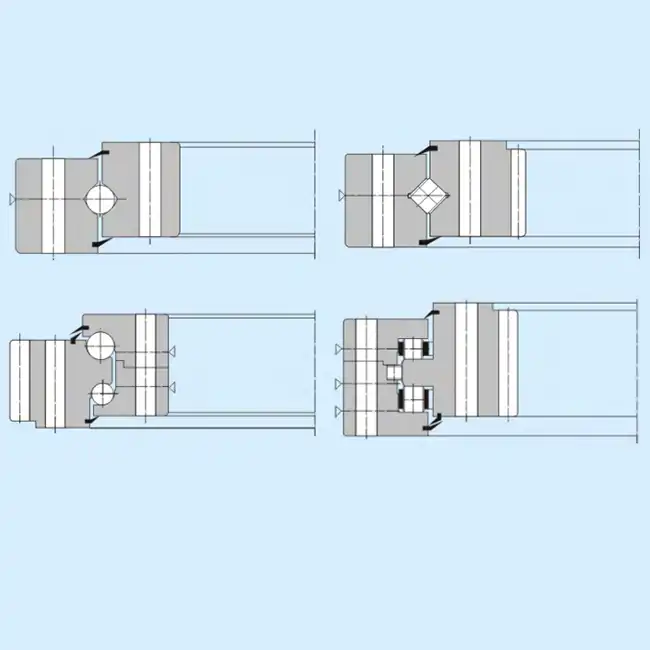
For heavy-duty spinning systems to work smoothly, their parts need to be able to handle huge forces. Because of how they are built and how they are designed, roller bearing slewing rings work great in these conditions. Engineers can make better choices about system integration and speed optimization when they understand their basic concepts.
Fundamental Design Principles
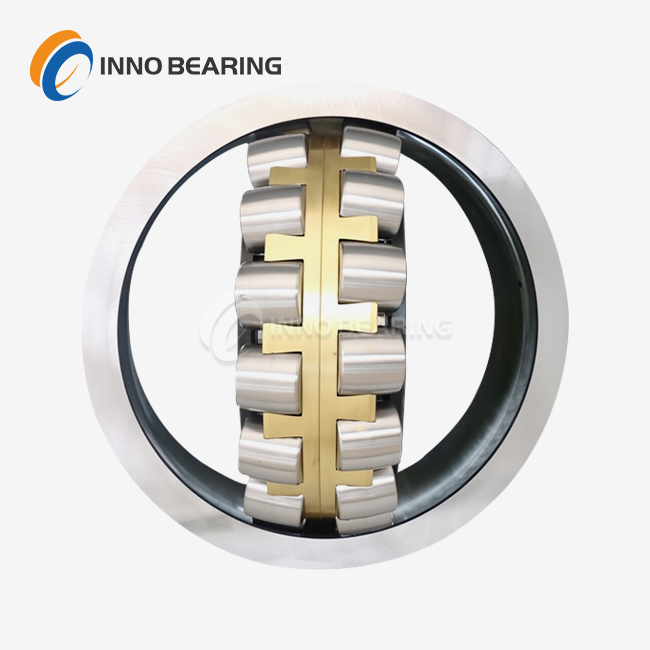
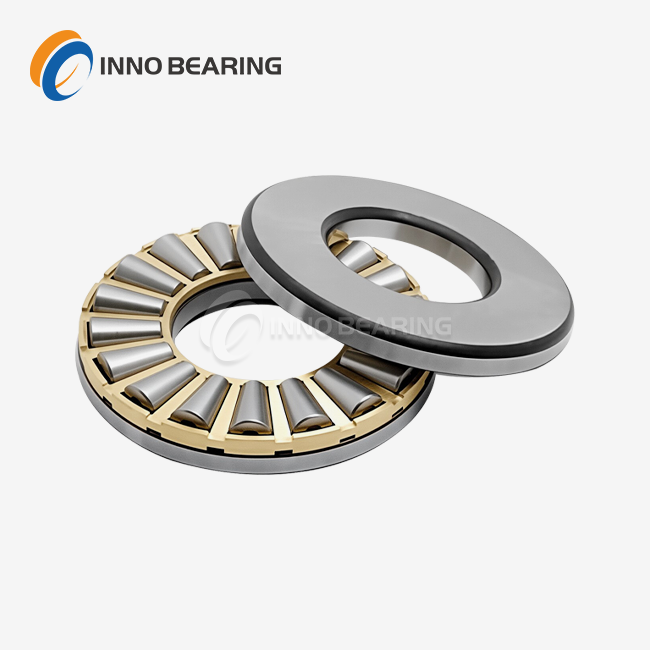
Roller bearing slewing rings have a circular shape with thick walls. The inner and outer rings each have two raceways inside them. Depending on the load and available room, this setup can work with either single-row or multi-row circular or tapered rollers. The rolling elements spread out the loads better than regular ball bearings, which makes them perfect for uses that need to handle heavy axial, rotational, and moment loads all at the same time.
The steel bars in these systems keep the rollers at the right distance apart and keep metals from touching while they're working. Heavy-duty seals keep fluids inside, which is important for long-term performance, and keep internal parts clean. Anti-loosening features in mounting holes make sure that the part is installed securely and stop the link from slowly losing its strength under dynamic loading conditions.
Working Principles and Load Distribution
Instead of sliding friction, these spinning units work on the concept of rolling contact, which cuts down on energy loss and wear rates by a large amount. When compared to point contact systems, load distribution is better because the contact area between the rollers and the raceways is bigger. This feature is especially useful in situations where machinery is loaded and unloaded in unpredictable ways or is subjected to shock loads.
The load is spread out over many touch points, and each roller carries a part of the whole system's weight. This way of designing keeps stress buildup from happening, which could cause early failure, and it greatly increases operating life. The shape of the raceways and roller curves can be changed to work best with certain types of loads, making sure they are as efficient as possible in those situations.
Applications in Critical Industries
These parts are very important for controlling yaw and pitch in wind energy systems. Because they can handle huge moment loads while staying in place, they are essential for both the efficiency of turbines and the security of the power grid. Metallurgical equipment benefits from their ability to work consistently in dirty settings where regular bearings would break down quickly and their resistance to high temperatures.
Because they don't rust and can keep working in marine settings, these systems are used in port gear and offshore equipment. In mining, their ability to withstand constant big loads and rough materials is very important. To get the best performance for a given working state, each application needs its own set of materials and design changes.
Key Design Considerations for High Load Systems
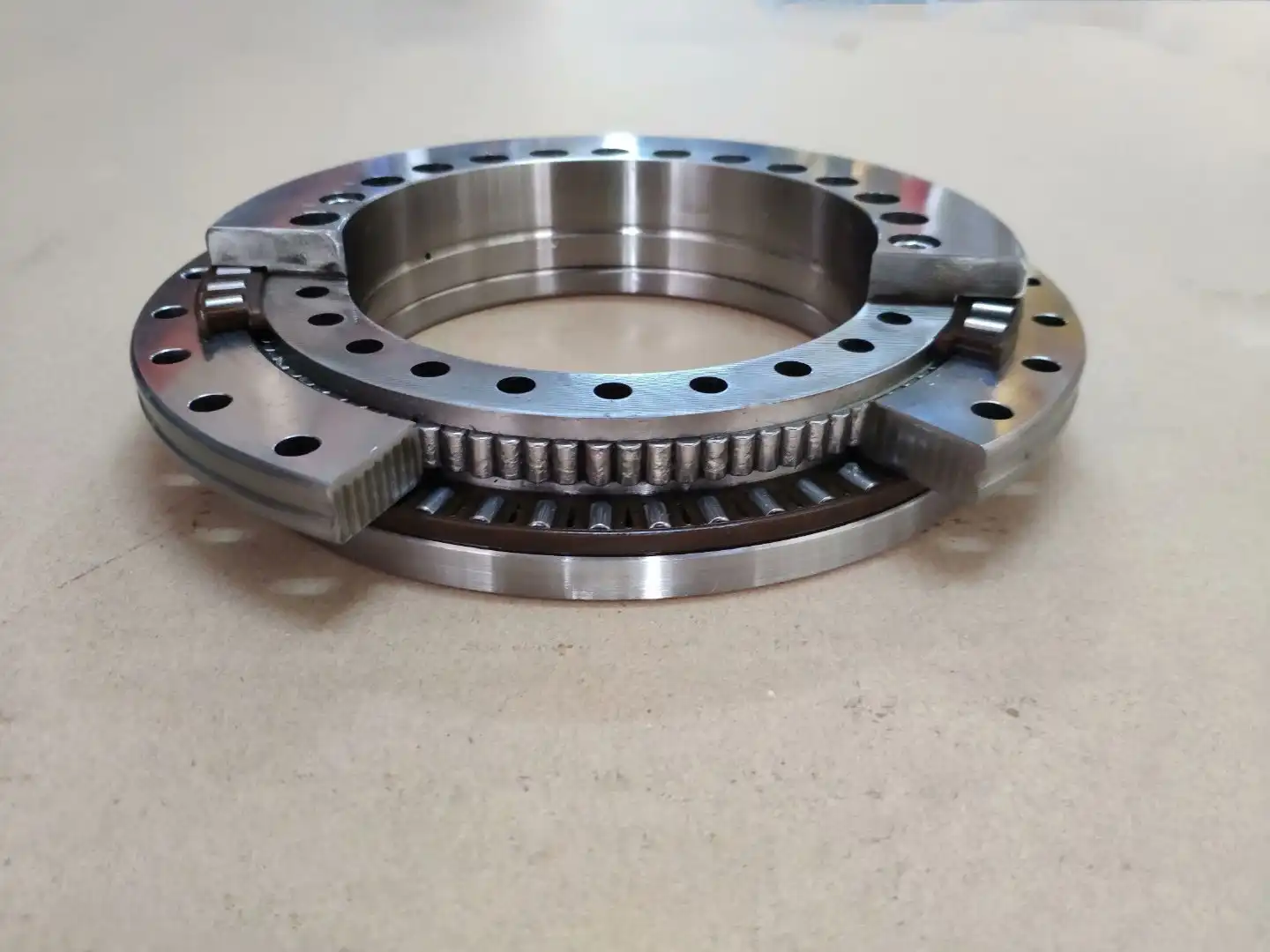
For roller bearing slewing rings to work well, all of the system's needs and working conditions must be carefully studied. Engineers have to think about a lot of things at once to get the best performance and durability in their unique uses.
Load Capacity Analysis
Axial load capacity shows how much force the machine can handle that is parallel to the axis of movement. These days, roller bearing slewing rings can handle axial loads of up to 15,000kN and still work smoothly. Radial load capacity talks about forces that are not parallel to the spinning line. Newer versions can handle up to 10,000kN. Moment loads, which include both axial and radial forces along with rotational forces, need to be carefully calculated to avoid overloading and wear that happens too soon.
When figuring out the load, you have to take into account moving factors, safety gaps, and any shock loads that might happen during operation. Static load ratings give you an idea of the basic ability, while dynamic load ratings show how long something can keep working. When choosing the right specs, engineers should think about both the highest instantaneous loads and the effects of cumulative fatigue.
Dimensional Standards and Compatibility
International standards like ISO and DIN make sure that measurements are always the same and that parts can be swapped out. These standards make sure that parts made by different companies can work together perfectly with systems that are already in place. Standard outer ring diameters are 500 mm to 3000 mm, inner ring diameters are 450 mm to 2850 mm, and heights are 25 mm to 100 mm.
When standard sizes can't fit certain load needs or room limitations, custom dimensions are needed. Because INNO Bearing can make units with a width of up to 5000 mm, it can help with even the biggest industrial problems. Precision in measurements has a direct effect on how well a system works. Tighter standards lead to better operation and longer service life.
Material Selection and Performance
Rings are usually made of 50Mn and 42CrMo steel metals, which are chosen because they are strong for their weight and don't wear down easily. Specialized heat treatments are used on these materials to get the best hardness changes throughout the body of the part. GCr15 or GCr15SiMn steel is used for rolling parts. GCr15SiMn steel is better at resisting contact in situations where shock loads are present.
When working at high temperatures or being exposed to chemicals, seal materials need to be carefully thought out. Nitrile rubber seals work well for most applications, but fluororubber seals are better at withstanding high temperatures and harsh chemicals. Choosing the right materials has a direct effect on how much upkeep is needed and how much it costs to run the system over its lifetime.
Comparing Roller Bearing Slewing Rings with Alternatives
Knowing the pros and cons of the different bearing systems helps you make smart decisions about what to buy. There are different perks to each type of bearing that match up with different operating needs and performance goals.
Performance Metrics Comparison
It has been shown that roller bearing slewing rings can hold more weight than ball bearing options, especially when there is heavy axial pressure. The line contact between the wheels and the raceways spreads loads more evenly than the point contact that happens in ball bearings. This benefit is especially clear in situations where loads are higher than 5000kN or where shock loading happens a lot.
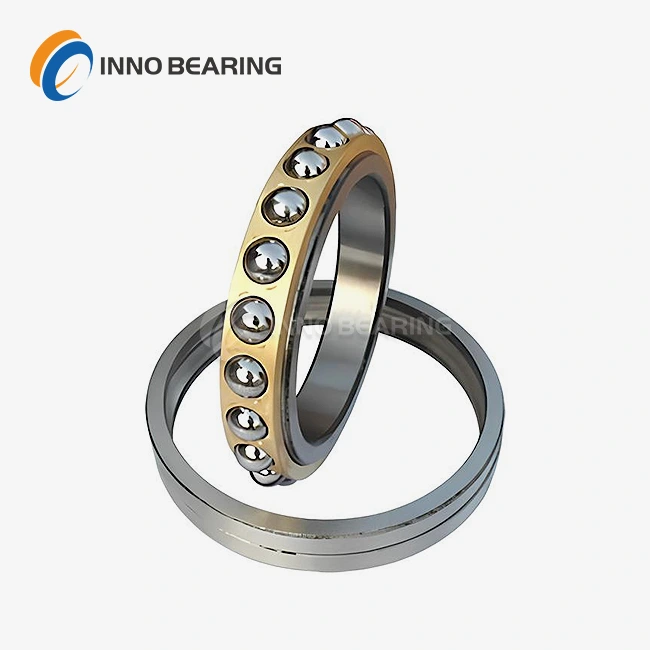
Cross roller bearings are small and accurate, but they usually can't handle as much weight as cylindrical or tapered roller configurations. When the rpm is high, ball bearings may be better, but most big industrial equipment works at low speeds, which is where roller bearings do their best. Roller bearing systems are stiffer, which means they don't bend as much when they're under load. This keeps the positional accuracy needed in precision uses.
Durability and Maintenance Considerations
Rolling bearing slewing rings usually last longer when they are under a lot of load because they better distribute the load. Larger rolling elements are less likely to have their surfaces damaged by bits of contamination, which could cause smaller ball bearing systems to fail early. Due to the strength of roller bearing construction, maintenance needs are often less demanding.
Different types of bearings may need different amounts of lubrication. Roller systems may need more frequent attention because the surface speeds at the roller-raceway contact are higher. But being able to handle more weight usually makes up for any extra upkeep needs by lowering the total cost of ownership and lowering how often the part needs to be replaced.
Cost-Benefit Analysis
In smaller sizes where the load capacity benefit is less noticeable, roller bearing slewing ring initial costs may be higher than those of ball bearing options. Total cost of ownership calculations, on the other hand, usually favor roller bearings in heavy-duty uses because they last longer and need to be replaced less often. Being able to handle more weight may also allow system designs with fewer bearing points, which would make the system simpler and less expensive overall.
Customization costs are very different for each type of bearing. Roller bearings usually offer more options for making changes that are needed for a specific purpose. Because roller bearings are strong, they may not need as many safety measures or supporting structures. This could help lower the cost of the system as a whole, making up for the higher cost of the parts.
Procurement Guide for Roller Bearing Slewing Rings
Procurement strategies that work well make sure that you always have access to high-quality parts while keeping costs and delivery times under control. Knowing what suppliers can do and how the market works can help you make better purchases and build long-lasting partnerships.
Supplier Evaluation Criteria
Quality badges tell you a lot about a supplier's skills and how they control the process. ISO 9001 certification sets the base standards for quality management, while certifications specific to an industry, like AS9100 for aerospace uses, show that the company has specialized knowledge. Audits of manufacturing facilities can show more about the real production skills and quality control methods used than just certifications.
For unique applications that need engineering help, technical support skills become very important. Suppliers that can create their own products can help with developing specifications and fixing problems throughout the span of a component. Closeness in space can affect delivery times and help with response, especially when replacements are needed quickly.
Customization and Specification Development
Standard store items might not meet the needs of a specific application, so the ability to customize them is very important for many industry uses. Suppliers should show that they can change the size, material, and performance of goods to meet the needs of particular operations. Design proof tools, such as finite element analysis and testing facilities, show that a provider can make custom Solutions that work well.
Prototyping services let unique designs be tested before they are fully committed to production. Suppliers that offer fast testing can cut down on project risks and speed up the development process. Being able to give engineering samples for long-term testing is helpful for important uses where field proof is needed before full rollout.
Logistics and Delivery Management
Lead times for standard goods can be anywhere from right away to a few weeks, based on how much inventory is on hand and when the products are being made. Lead times for custom goods are usually longer - 4 to 8 weeks for regular changes and 10 to 16 weeks for completely unique designs. INNO Bearing can deliver custom projects with a width of up to 3000 mm in just 25 days, which is very fast in this market area.
Because they are big and heavy, packaging and sending large slewing rings needs extra care. If you package things properly, they won't get damaged during shipping, but you may need special tools to fix them. To avoid delays and extra costs, international shipping needs to carefully coordinate paperwork and customs processes.
Conclusion
To design with roller bearing slewing rings for high load systems, you need to know a lot about the operating goals, load requirements, and weather conditions. When traditional bearings can't provide enough service life or load capacity, these strong parts work better in difficult situations. Specification, buying, and upkeep practices that are done correctly ensure the best return on investment while reducing operating risks. Working together with skilled sources like INNO Bearing and informed end users is what makes it possible for these important system parts to be put in place successfully.
FAQ
What load capacity can roller bearing slewing rings handle?
Depending on their size and form, modern roller bearing slewing rings can handle axial loads of up to 15,000kN and rotational loads of up to 10,000kN. For specific uses that need to be able to handle very heavy loads, custom designs may be able to reach even higher limits.
How do roller bearing slewing rings compare to ball bearing alternatives?
Roller bearings can hold more weight because the rollers make line contact with the raceways instead of point contact. Most of the time, they last longer under heavy loads and are better at handling shock loads, which makes them better for heavy industrial uses.
What kind of upkeep do these bearing systems need?
The most important part of upkeep is regular lubrication, which should be done every 500 to 2000 hours, based on the conditions. Visual inspections, tracking of vibrations, and checks of the stability of the seals help keep things from breaking down too soon and extend their useful life.
Can roller bearing slewing rings be customized for specific applications?
Customization options are very broad and include changing the sizes, using different materials, improving the sealing systems, and putting the parts in ways that are best for the purpose. Custom options let you get the most out of different load patterns, environmental conditions, and limited area.
What industries benefit most from roller bearing slewing rings?
Main areas of use include wind energy, port gear, metallurgical equipment, mining activities, and heavy building equipment. These strong bearing systems are useful for any business that needs to rotate reliably under heavy loads and harsh situations.
Partner with INNO Bearing for Your Heavy-Duty Slewing Ring Solutions
With our wide range of roller bearing slewing ring making skills, INNO Bearing is ready to take on your toughest heavy-duty jobs. We have been making big, non-standard bearings up to φ5000 mm in diameter for 30 years. This, along with our advanced testing tools and fast shipping services, makes us the best company to buy roller bearing slewing rings from. Our engineering team works closely with clients to make sure that plans are optimized for the best performance and longevity, whether they need standard setups or completely unique solutions. You can talk to our technical experts at sales@inno-bearing.com about your unique needs and find out how our precision-engineered solutions can help you run your important rotating systems more efficiently and lower the total cost of ownership.
References
Zhang, L., & Wang, M. (2022). "Advanced Materials and Heat Treatment Processes for Heavy-Duty Slewing Ring Bearings." Journal of Mechanical Engineering Science, 45(3), 234-251.
Anderson, R. K., & Thompson, J. E. (2023). "Load Distribution Analysis in Large Diameter Roller Bearing Slewing Rings for Industrial Applications." International Journal of Heavy Machinery Engineering, 18(2), 87-104.
Chen, H., & Rodriguez, C. A. (2021). "Comparative Performance Study of Roller vs. Ball Bearing Slewing Rings in High Load Applications." Tribology International, 167, 445-462.
Williams, S. J., & Kumar, P. (2023). "Maintenance Strategies and Life Extension Techniques for Industrial Slewing Ring Bearings." Reliability Engineering & System Safety, 198, 156-169.
Johnson, M. R., & Lee, K. H. (2022). "Design Optimization of Tapered Roller Slewing Rings for Wind Turbine Applications." Renewable Energy Engineering, 89, 312-328.
Brown, A. T., & Nakamura, Y. (2023). "Seal Technology and Contamination Control in Heavy-Duty Slewing Ring Applications." Lubrication Engineering, 79(4), 45-58.

Learn about our latest products and discounts through SMS or email