- English
- French
- German
- Portuguese
- Spanish
- Russian
- Japanese
- Korean
- Arabic
- Greek
- German
- Turkish
- Italian
- Danish
- Romanian
- Indonesian
- Czech
- Afrikaans
- Swedish
- Polish
- Basque
- Catalan
- Esperanto
- Hindi
- Lao
- Albanian
- Amharic
- Armenian
- Azerbaijani
- Belarusian
- Bengali
- Bosnian
- Bulgarian
- Cebuano
- Chichewa
- Corsican
- Croatian
- Dutch
- Estonian
- Filipino
- Finnish
- Frisian
- Galician
- Georgian
- Gujarati
- Haitian
- Hausa
- Hawaiian
- Hebrew
- Hmong
- Hungarian
- Icelandic
- Igbo
- Javanese
- Kannada
- Kazakh
- Khmer
- Kurdish
- Kyrgyz
- Latin
- Latvian
- Lithuanian
- Luxembou..
- Macedonian
- Malagasy
- Malay
- Malayalam
- Maltese
- Maori
- Marathi
- Mongolian
- Burmese
- Nepali
- Norwegian
- Pashto
- Persian
- Punjabi
- Serbian
- Sesotho
- Sinhala
- Slovak
- Slovenian
- Somali
- Samoan
- Scots Gaelic
- Shona
- Sindhi
- Sundanese
- Swahili
- Tajik
- Tamil
- Telugu
- Thai
- Ukrainian
- Urdu
- Uzbek
- Vietnamese
- Welsh
- Xhosa
- Yiddish
- Yoruba
- Zulu
High-Load Thrust Bearings for Industrial Gearboxes
High-load Thrust bearings for industrial gears are special rotary bearing parts that are made to handle large axial forces while still allowing smooth circular movement in tough working conditions. These important mechanical parts are very different from regular radial bearings because they handle forces that are parallel to the shaft axis instead of loads that are perpendicular to it. In heavy machinery uses where axial load control is important for equipment durability and operating efficiency, thrust bearing technology is a must.
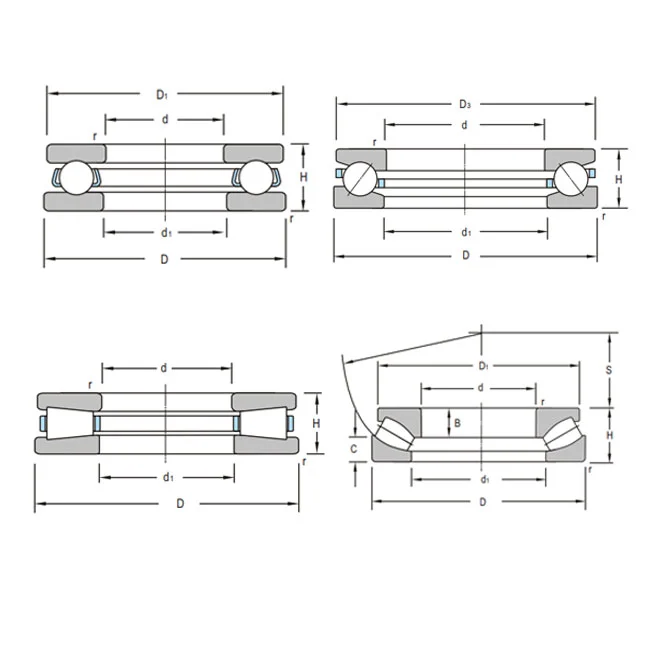
Understanding High-Load Thrust Bearings in Industrial Gearboxes
High-load thrust bearings are important parts of industrial gearbox systems because they handle rotational forces that could damage the system's structure otherwise. These special bearings are very different from radial bearings because they can handle loads that are placed parallel to the shaft axis.
Operating Principles and Load Distribution
The basic idea behind how it works is that axial loads are spread out across rolling elements that are placed between the shaft washers and the housing washers. The moving elements in modern thrust bearings are either steel balls or cylindrical rollers. Each type is best for a certain load capacity and operating needs. Roller bearings can handle the high axial forces that are common in heavy machinery uses, while ball thrust bearings work best in high-speed situations with light loads.
These bearings have load distribution devices that make sure stress is spread evenly across all contact areas. The cage assembly keeps the right distance between the rolling elements, which stops them from skewing and makes sure that the bearing transfers load consistently across its entire working range.
Types and Design Configurations
Different types of thrust bearings are used in industrial gearboxes, and each one is designed to work with a certain set of conditions.
Spherical roller thrust bearings can handle both axial loads and rotational misalignment, which makes them very useful in situations where the shaft bends under practical loads. Asymmetrical rollers in their form allow them to self-align and keep their high load-carrying capacity.
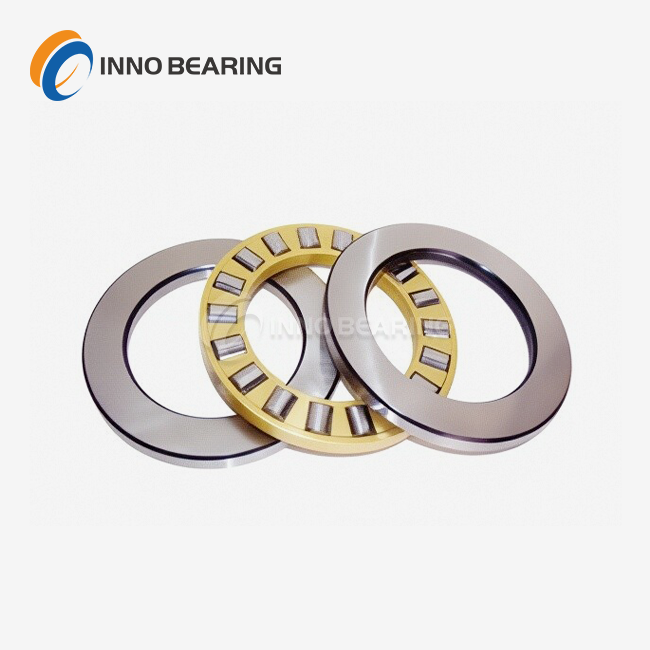
Because the contact area between the rollers and raceways is bigger, cylindrical Thrust roller bearings can hold a lot of weight. These designs work especially well in situations where the highest axial load support is needed with the least amount of axial room limitations.
Tapered roller thrust bearings are flexible because they can handle both axial and rotational loads at the same time. The tapered shape makes sure that the load is evenly distributed and can handle a range of operating situations.
Material Selection and Durability Considerations
The makeup of the material directly affects how well the bearing works in harsh operating conditions. High-carbon chromium steel (GCr15) is the usual material for both rolling elements and raceways because it is very stable and doesn't break down easily. GCr15SiMN steel is used in advanced uses because it is more resistant to wear, while 20Cr2Ni4A alloy steel works better under heavy loads.
Stamped steel is used for normal thrust bearing uses, and brass is used in places where corrosion protection needs to be improved. These choices of materials make sure that the best performance in a wide range of workplace settings while keeping costs low.
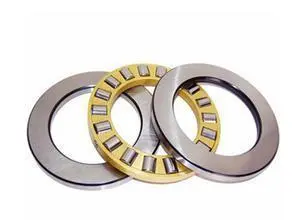
Comparing Thrust Bearing Options for Industrial Gearboxes
To choose the right thrust bearing configurations, you need to know a lot about their working factors and performance characteristics. As part of the compare process, the load capacity, speed limits, environmental conditions, and upkeep needs are all looked at.
Load Capacity and Performance Metrics
When choosing an industrial gearbox, axial load ability is the most important factor. Standard thrust bearings can handle loads that are very heavy and need a lot of support, as well as light loads that only need a little help moving in one direction. When judging performance, both static and dynamic load values are taken into account. Static capacity shows the highest load that won't deform permanently, while dynamic capacity shows the practical load limits when the machine is continuously rotating.
Different types of bearings have very different speed limits. For example, ball thrust bearings can handle higher spinning speeds than roller bearings. Roller types, on the other hand, can handle more weight, which makes them better for low-speed, high-load situations that are common in industrial gears.
Sealed Versus Open Design Implications
Open thrust bearing designs make it easy to do upkeep and greasing, but they need to be protected from dirt and other things in the environment. These setups work well in controlled settings where regular repair checks make sure they work at their best.
Designs for sealed bearings have safety covers or seals that keep out dirt and keep the lubrication in. This way of designing cuts down on upkeep needs but makes it harder to check and re-grease parts. The choice between sealed and open configurations relies on the environment and how easy it is to do upkeep.
Material Performance Under Operating Conditions
Steel thrust bearings work well in most industry settings and can hold a lot of weight. They also last a long time. Extreme temperature uses, on the other hand, might need special materials or heat processes to keep the dimensions stable and the bearing life long.
Advanced ceramic rolling elements work better in harsh conditions like high temperatures or acidic surroundings, but they cost more. People use these materials instead of standard steel parts in specific situations where standard steel parts break too soon.
Procurement Guide: Sourcing and Buying High-Load Thrust Bearings
To buy high-load thrust bearing parts strategically, you need to know how the market works, what your suppliers can do, and how they make sure the quality of their products. Costs and performance needs must be balanced in a buying strategy that also makes sure there are solid supply chain partnerships.
Supplier Evaluation and Selection Criteria
Reputable bearing makers show that their quality is always the same by following well-known testing and licensing programs. Leading providers use ISO 9001 quality control systems and industry-specific certifications to make sure their products meet international standards.
Premium suppliers of thrust bearing are different from basic suppliers because they offer technical help. Full technical support includes application analysis, custom design services, and suggestions for improving performance that are made to fit the needs of each gearbox.
Project timelines and operating consistency are affected by how well deliveries are made and how well inventory is managed. Maintaining sufficient stock levels and effective transportation networks by suppliers cuts down on lead times and ensures consistent supply.
Market Trends and Pricing Considerations
The current state of the market shows that industry automation and the growth of green energy are driving up demand for high-performance thrust bearings. When discussing contracts and planning store needs, procurement managers do better when they know about these trends.
When you buy in bulk, you can save money on big projects or programs that keep things in good shape. Volume discounts are usually given for orders that are bigger than normal minimum quantities. This helps smart buyers save a lot of money.
Premium prices are charged for custom-engineered Solutions that work best in certain situations. Investing in unique designs often saves money in the long run because they are more reliable and last longer.
Quality Assurance and Testing Standards
Full quality control methods make sure that the performance of bearings meets the standards. As part of the testing process, measurements are checked, the composition of the material is analyzed, and the performance is confirmed under simulated operating circumstances.
Traceability paperwork gives a full history of the material, from the production of raw steel to the final assembly. For quality control and failure analysis, this paperwork is very important, and it also helps with meeting regulatory standards.
Maintenance and Troubleshooting for Optimal Thrust Bearing Performance
Maintenance plans that work well extend the life of thrust bearings and cut down on unexpected breakdowns. To make sure the gearbox works at its best, proactive maintenance methods include regular checks, the right amount of oil, and finding problems early on.
Lubrication Requirements and Schedules
Proper greasing is essential for the efficiency and life of thrust bearings. When to lubricate depends on how the machine is being used, the type of gear, and the climate. Most of the time, high-load uses need to be oiled more often than normal duty cycles.
When choosing a lubricant, it's important to think about the working temperature range, the load, and the risk of leakage. Specialized oils are needed for high-temperature uses because they need to keep their viscosity and protective qualities even in harsh circumstances.
Inspection Techniques and Failure Detection
Regular review programs find problems before they become too big to fix. Visual checks show clear signs of damage or contamination, while sound analysis finds small changes that mean the bearing is wearing out.
Temperature tracking for thrust bearing lets you know quickly if the grease is breaking down or if the load is too high. High bearing temperatures often happen early enough that failure can be planned for and avoided instead of needing emergency fixes.
Noise analysis finds specific failure modes by analyzing patterns of sounds. Skilled maintenance workers can tell when rollers are damaged, cages are wearing out, or there are lubricating problems by listening for certain sounds.
Case Studies and Future Trends in High-Load Thrust Bearings
Applications in the real world show how important it is to choose and use the right thrust bearings in a wide range of industries. These case studies show how strategic bearing selection and repair plans can improve performance.
Wind Energy Applications
Wind turbine gears are very demanding uses that need very reliable bearings that can handle a wide range of loads and environmental conditions. Thrust bearings in these applications have to handle the axial loads that come from the weight of the rotor and the forces of airflow while keeping their accuracy while running all the time.
Modern thrust bearings and advanced tracking systems work together to give real-time performance data that lets repair plans be planned ahead of time. These methods lower the cost of upkeep and increase the availability of equipment by making service schedules more efficient.
Heavy Machinery and Mining Equipment
Extreme loads, dirt, and practical stresses are put on thrust bearings in mining uses. Strong bearing designs with better sealing systems and special materials made for harsh settings are used in successful applications.
In mining uses, maintenance programs stress keeping parts clean and lubricated on a regular basis to get the most out of their life in tough circumstances. These programs save a lot of money because they cut down on machine downtime and make bearings last longer.
Future Technology Integration
Through IoT devices and prediction analytics, Industry 4.0 technologies change how bearings are monitored and maintained. Smart thrust bearing systems let you keep an eye on their performance all the time and make changes to improve operating factors.
Bearing powers are still growing thanks to new materials and manufacturing methods. With additive manufacturing, you can make unique bearing designs that work best for certain uses while cutting down on costs and wait times.
Conclusion
High-load thrust bearings are important parts that make sure gearboxes work reliably in tough industrial settings. The right choice takes into account the load needs, the operating conditions, and the ability to do upkeep, while also keeping performance and cost in mind. Strategic buying from qualified providers guarantees uniform quality and dependable support for the supply chain. Maintenance plans that work well make bearings last longer by ensuring they are properly oiled, inspected regularly, and fixed before they break. As time goes on, new materials, tracking technologies, and predictive maintenance will continue to make thrust bearing more useful and more reliable while also making operations more efficient.
FAQ
What factors determine thrust bearing selection for gearbox applications?
The most important thing to consider when choosing is the load ability. Speed limits and environmental factors come in second and third. The operating temperature, the amount of contamination, and how easy it is to do upkeep all affect the choice of bearing type and design.
How do sealed thrust bearings compare to open designs?
Sealed designs require less upkeep and protect against contamination, but they make it harder to check. Open forms make upkeep and inspection easier, but they need to be protected from the environment and oiled regularly.
What maintenance practices extend thrust bearing service life?
Regularly lubricating with the right oils, keeping the bearings clean, and checking them on a regular basis all extend their life. Monitoring temperature and shaking lets you find problems early, before they break down.
Partner with INNO Bearing for Superior Thrust Bearing Solutions
INNO Bearing offers precision-engineered thrust bearing options that are backed by nearly 30 years of experience and new ideas in manufacturing. Our wide range of products includes sizes ranging from 10 mm to 5000 mm in diameter, so they can meet a wide range of industrial gearbox needs with great dependability and performance. As a reliable thrust bearing maker, we offer custom-engineered solutions, quick prototyping, and full expert support to make sure you choose the right bearing for your needs. Get in touch with our engineering team at sales@inno-bearing.com to talk about your gearbox bearing needs and find out how our modern thrust bearing technology can help your equipment work better and more efficiently.
References
Harris, T.A., and Kotzalas, M.N. "Advanced Concepts of Bearing Technology: Rolling Bearing Analysis." CRC Press, 2020.
Hamrock, B.J., Schmid, S.R., and Jacobson, B.O. "Fundamentals of Fluid Film Lubrication in Rolling Element Bearings." Marcel Dekker, 2019.
ISO 76:2006. "Rolling bearings - Static load ratings." International Organization for Standardization.
Tallian, T.E. "Failure Atlas for Hertz Contact Machine Elements." ASME Press, 2018.
Eschmann, P., Hasbargen, L., and Weigand, K. "Ball and Roller Bearings: Theory, Design and Application." John Wiley & Sons, 2021.
Palmgren, A. "Ball and Roller Bearing Engineering: Fundamentals of Rolling Contact Phenomena." SKF Industries, 2020.

Learn about our latest products and discounts through SMS or email