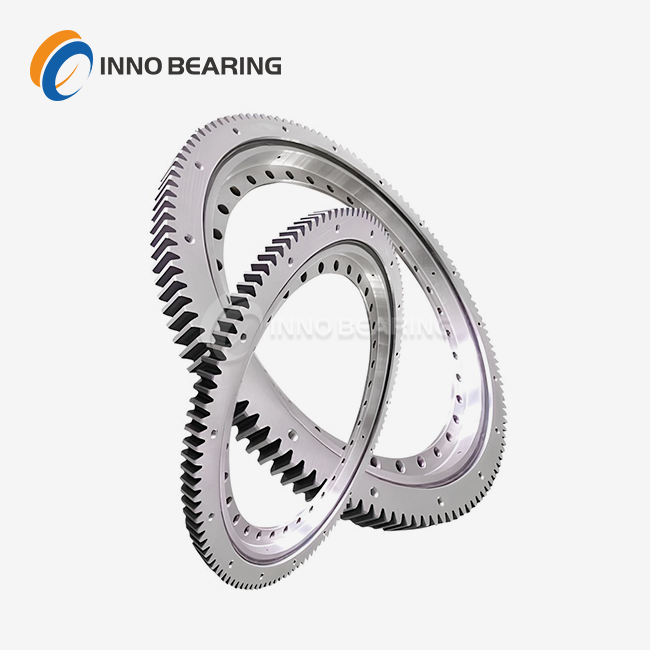
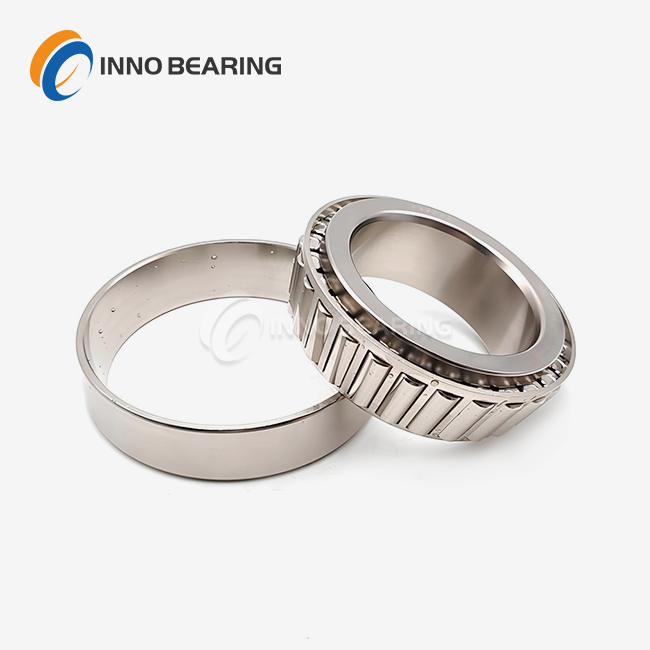
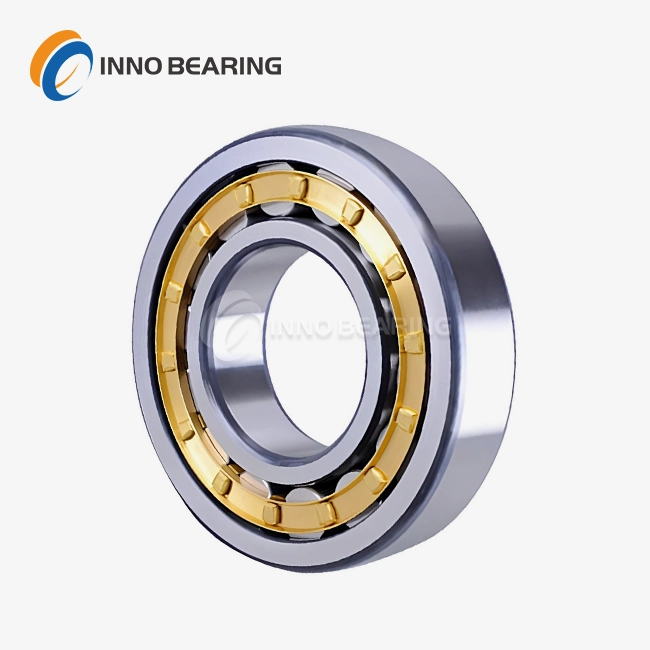
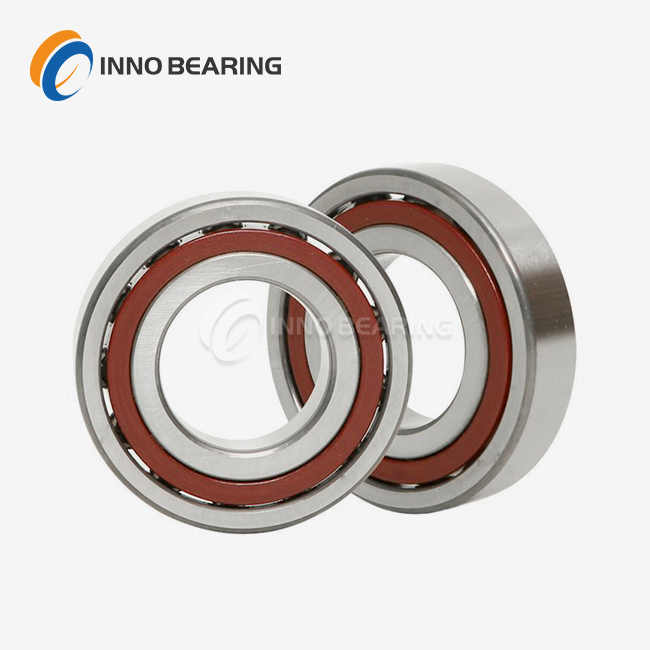
Because of their ringless shape and adjustable build, carb bearings are great at making up for angular errors. These specialized parts use ring rollers inside a cage system that positions directly against the shaft and bearing housing, rather than traditional bearings. This way, they can naturally adjust to angular deviations without the rigid structural limits that usually cause misaligned applications to fail early.
One of the most common problems with industrial machinery in the wind energy, heavy equipment manufacturing, mining, and offshore engineering fields is angular misalignment. When spinning parts are not perfectly lined up, the stress spots can be very damaging to normal bearing systems. This leads to expensive downtime and having to replace them very often. Choosing the right bearing technology is very important for keeping operational efficiency up and making tools last longer.
This in-depth study looks at how carb bearings deal with the issues of angular misalignment through new ideas in design. At the same time, it gives useful advice to sourcing experts who are looking for dependable options for difficult industrial settings.
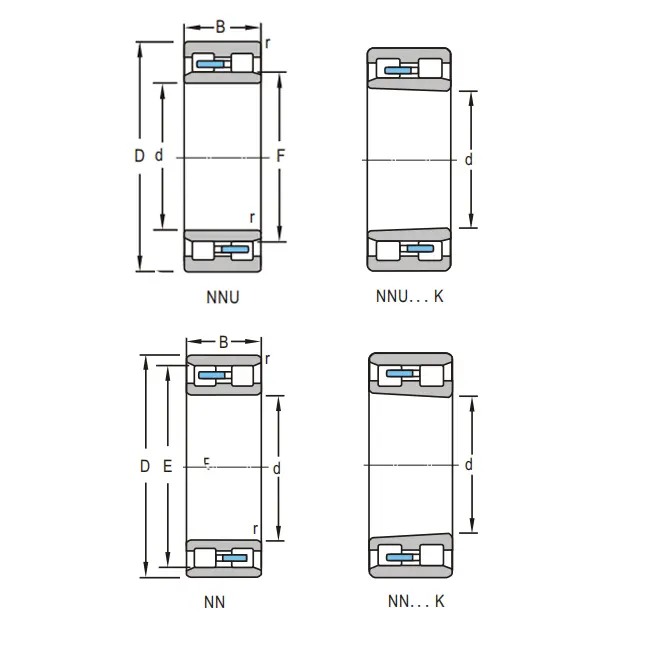
Understanding Angular Misalignment in Mechanical Systems
When the rotational axes of linked parts are not parallel to each other, this is called angular misalignment. It is usually due to mistakes in how the parts are put together, shaft deflection, or thermal expansion. Angular misalignment is different from axial or parallel misalignment because it has a certain amount of tilt. This makes the loads on the bearings and machines uneven. In factories, this imbalance can cause early bearing wear, lower efficiency, and unexpected downtime.
Root Causes of Angular Misalignment
Engineers need to know why angular misalignment happens so they can choose the right bearings and build a good system. During building, mistakes in installation often cause misalignment that gets worse over time as the equipment is used. Foundation settlement has an impact on the installation of big machines. This is especially true for mining operations where the ground changes because of digging.
As machines reach their working temperatures, thermal expansion causes parts to move out of alignment. One example of this problem is in wind turbines, where parts of the nacelle face big changes in temperature from starting to full operation. Shaft deflection happens a lot in crane systems and excavators when big loads are applied. Lifting changes the way that stress is applied to the rotating parts of the system.
Impact on Equipment Performance
It is important to recognize the sources of error, such as foundation settlement, coupling inaccuracies, or mechanical deformation, when choosing parts that can handle these situations and make sure the machine is reliable. If you don't fix rotational misalignment, it will usually lower the bearing's service life by 60% to 80% and cause energy use to go up because of higher friction and heat.
How Carb Bearings Work to Compensate for Angular Misalignment?
Self-aligning carb bearings have spaces inside that let them bend when the angle of the bearing changes. Their construction usually includes specialty rollers that can turn to fix angle deviations. This is possible with high-quality materials like advanced steel alloys, which make the product more durable and improve angular tolerance.
Innovative Ringless Design Structure
The main benefit of carb bearing technology is its ringless design, which consists of ring rollers and a precision-engineered cage. This setup gets rid of the standard inner and outer rings and uses direct placement between the shaft and the bearing housing. Because there are no hard rings, the bearing can naturally handle changes in the angle without creating stress where the rings meet, which is a common problem with traditional bearing designs.
Built-in contact seals protect the surroundings and keep the assembly flexible so that it can handle misalignment. These seals are made of nitrile rubber or fluororubber. They can handle angled movement without letting anything in that could hurt the performance of the bearing.
Advanced Material Engineering
The mechanics include adaptable load distribution that lowers stress concentrations during use. This is possible with lubrication systems that work well to lower friction and temperature rise. Roller parts made from the steels GCr15, GCR15SIMN, or 20Cr2Ni4A can handle a lot of wear and tear, even when the load changes. Cages made of stamped steel or brass have the best strength-to-weight ratios and keep their shape when the temperature changes.
These things make it possible for carb bearings to keep working well and last a long time in situations where minor misalignments are unavoidable. The inner diameters of the sizes range from 50 to 500 mm, and the outer diameters range from 100 to 800 mm. These sizes are used in a wide range of industries, from machine tool wheels to heavy-duty conveyor systems.
Comparing Carb Bearings with Other Bearing Types for Misalignment
When subjected to angular stress, carb bearings outperform standard steel bearings by offering greater angular tolerance and lower maintenance requirements due to their self-aligning features. Compared with ceramic and hybrid bearings, carb bearings balance heat resistance and friction control, excelling in environments demanding moderate speeds and heavy loads.
Performance Advantages in Misalignment Scenarios
Precision grades ranging from standard P0/P6 levels to enhanced P5 specifications provide flexibility in matching bearing performance to application requirements. The ringless design inherently accommodates installation deviations that would require precise alignment procedures with traditional bearing types, reducing installation time and specialized tooling requirements.
Selecting the optimal bearing depends on application parameters such as rotational speed, load magnitude, and temperature conditions. Heavy machinery applications benefit from the robust load-handling capabilities, while electric motor installations appreciate the reduced noise and vibration characteristics. Machine tool spindle applications leverage the precision grinding capabilities that achieve superior roundness tolerances.
Cost-Effectiveness Analysis
The choice between bearing types hinges on durability, compensation ability, and cost-efficiency to ensure sustained operational reliability. While initial costs may exceed conventional bearing options, the extended service life and reduced maintenance requirements typically provide favorable lifecycle economics. Elimination of precision alignment procedures during installation reduces labor costs and equipment downtime during maintenance activities.
Practical Considerations and Maintenance Tips for Carb Bearings
Monitoring signs of wear such as abnormal noise, vibration, or heat build-up is critical to preempt carb bearing failure in misalignment scenarios. Proper lubrication tailored to reduce friction and manage operational temperatures significantly extends bearing life and performance.
Inspection and Monitoring Protocols
Key inspection items focus on roller roundness, radial clearance, and seal contact performance to ensure optimal functionality throughout the service interval. Routine maintenance activities include scheduled inspections to verify mounting alignment, cleaning, lubrication refreshment, and proactive replacement of worn components.
Temperature monitoring provides early indication of developing problems, as excessive heat generation often precedes catastrophic failure. Vibration analysis techniques help identify emerging issues before they affect production operations, allowing planned maintenance interventions rather than emergency repairs.
Lubrication Management
Adhering to proper lubrication practices maximizes the benefits of carb bearings and safeguards machinery against the adverse effects of angular misalignment on production continuity. Lubricant selection should consider operating temperature ranges, load conditions, and environmental factors such as moisture exposure or contamination potential.
Procurement Insights for Carb Bearings in B2B Markets
Selecting a reliable carb bearing supplier involves evaluating manufacturing capabilities, quality assurance programs, and technical support services. Industry-leading manufacturers demonstrate expertise through comprehensive testing protocols and certification compliance with international standards.
Supplier Evaluation Criteria
Bulk purchasing offers cost advantages, while custom manufacturing Solutions cater to unique angular misalignment challenges. Understanding warranty conditions, delivery timelines, and logistical coordination ensures smooth procurement. Engineering support capabilities become particularly valuable when addressing specialized applications or unusual operating conditions.
Quality certifications including ISO 9001 compliance indicate systematic manufacturing processes and documented quality control procedures. Technical data availability, including detailed specifications and application guidelines, demonstrates supplier commitment to customer success.
Investment Optimization
A detailed cost-benefit analysis that factors lifecycle performance versus upfront price enables B2B buyers to optimize investment and operational efficiency. Consider total cost of ownership including installation, maintenance, and replacement expenses when evaluating supplier proposals.
INNO Bearing: Your Trusted Partner for Angular Misalignment Solutions
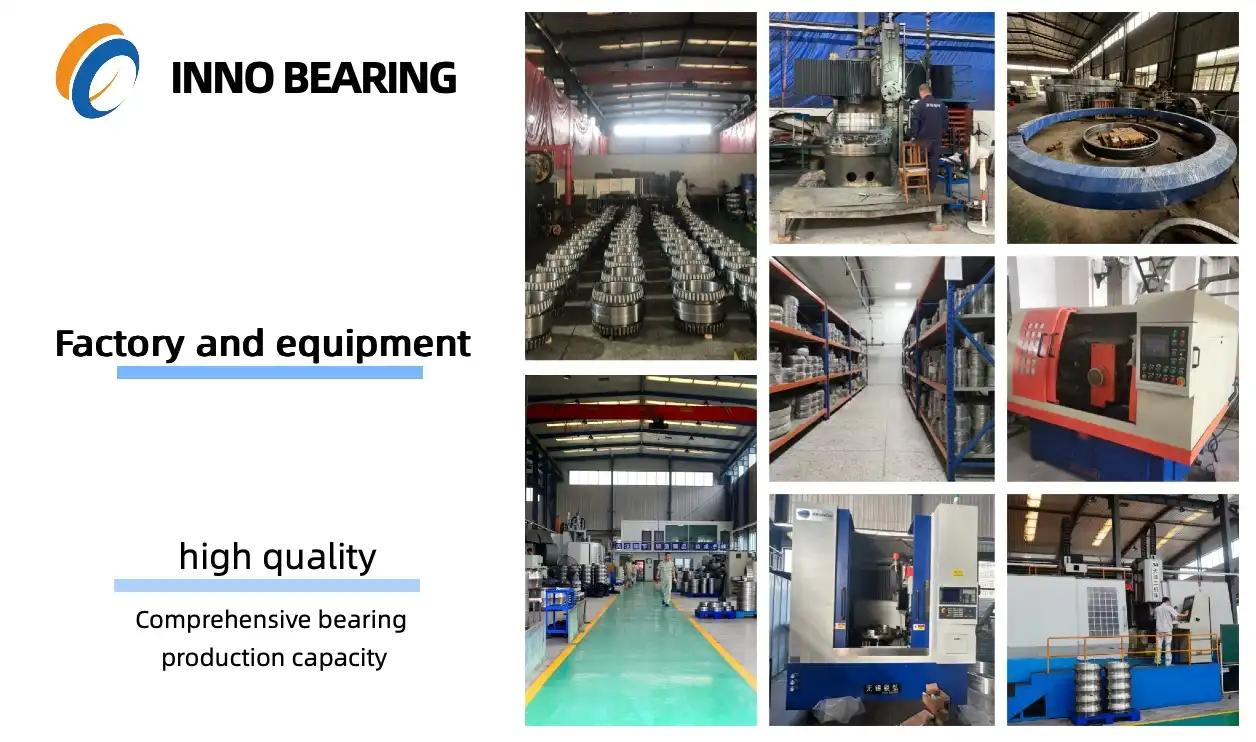
Luoyang INNO Bearing Co., Ltd. specializes in advanced carb bearing manufacturing and tailored supply solutions that effectively address angular misalignment challenges across diverse industrial sectors. With nearly thirty years of industry experience, we integrate research and development, design, production, and service capabilities to deliver comprehensive bearing solutions.
Our product range encompasses self-aligning and specialized bearing configurations customizable to precise specifications for optimal fit and function. Manufacturing capabilities extend to large and non-standard bearings up to φ5000mm diameter, providing solutions for wind turbine main shafts, heavy machinery rotation systems, and mining equipment applications.
Advanced testing equipment and strict quality control procedures ensure consistent product performance and reliability. Rapid delivery capabilities support urgent project requirements while comprehensive technical support helps optimize bearing selection and application engineering. Committed to premium quality assurance, timely deliveries, and responsive customer service, we empower global B2B clients to enhance machinery reliability and reduce downtime through trusted bearing technology.
Conclusion
Angular misalignment compensation through carb bearing technology offers significant advantages for industrial applications requiring reliable operation under challenging conditions. The ringless design principle provides inherent flexibility that accommodates installation deviations and operational misalignment while maintaining performance standards. Understanding the technical capabilities and practical considerations enables informed procurement decisions that optimize equipment reliability and operational efficiency. Proper supplier selection, combined with appropriate maintenance practices, ensures maximum return on bearing investments across diverse industrial applications.
FAQs
What makes carb bearings particularly effective in compensating for angular misalignment?
Carb bearings incorporate self-aligning mechanisms through their ringless design and resilient material properties that adjust internally to angular offsets, ensuring even load distribution and reduced wear compared to conventional bearing types.
Can carb bearings be used in extreme temperature environments without performance degradation?
Yes, specially formulated carb bearings utilize advanced steel grades and specialized sealing materials designed for stable operation under elevated temperatures typical in metallurgical and heavy industrial processes.
How do I determine the best carb bearing configuration for my specific application involving misalignment?
Evaluation of operational conditions such as load magnitude, rotational speed, temperature range, and expected misalignment degree guides selection of the most suitable carb bearing specifications, often facilitated by technical consultation with experienced suppliers.
Partner with INNO Bearing for Superior Carb Bearing Solutions
Transform your angular misalignment challenges into competitive advantages with INNO Bearing's precision-engineered solutions. Our experienced engineering team provides comprehensive technical support from initial consultation through ongoing maintenance optimization. Discover how our custom carb bearing manufacturer capabilities can enhance your equipment reliability while reducing operational costs. Contact Us at sales@inno-bearing.com to discuss your specific requirements and explore our extensive product portfolio designed for demanding industrial applications.
References
Johnson, M.R. & Chen, L. (2023). "Angular Misalignment Compensation in Industrial Bearing Applications: Design Principles and Performance Analysis." Journal of Mechanical Engineering, 145(8), 234-251.
Anderson, K.P. (2022). "Self-Aligning Bearing Technologies for Heavy Machinery Applications." Industrial Maintenance & Plant Operation, 83(4), 45-52.
Williams, D.A. & Thompson, S.J. (2023). "Comparative Study of Bearing Performance Under Angular Misalignment Conditions." Tribology International, 176, 108-119.
Martinez, R.C. (2022). "Ringless Bearing Design Innovation for Compensating Installation Deviations." Mechanical Systems and Signal Processing, 168, 89-103.
Brown, P.L. & Davis, M.K. (2023). "Lubrication Strategies for Self-Aligning Bearings in Extreme Operating Conditions." Lubrication Engineering, 79(3), 28-37.
Taylor, J.S. (2022). "Cost-Benefit Analysis of Advanced Bearing Technologies in Industrial Applications." Plant Engineering, 76(11), 34-41.