It is important to think about the material makeup, thermal protection, and application-specific needs when choosing the right carb bearing for high-temperature settings. Because these specialized parts work well in extreme situations where standard bearings fail, they are very important for fields like metallurgy, power generation, and heavy machinery. If you choose the right ones, carb bearings can work well in temperatures up to 500°C. They can also stay strong and reliable when big loads are put on them.
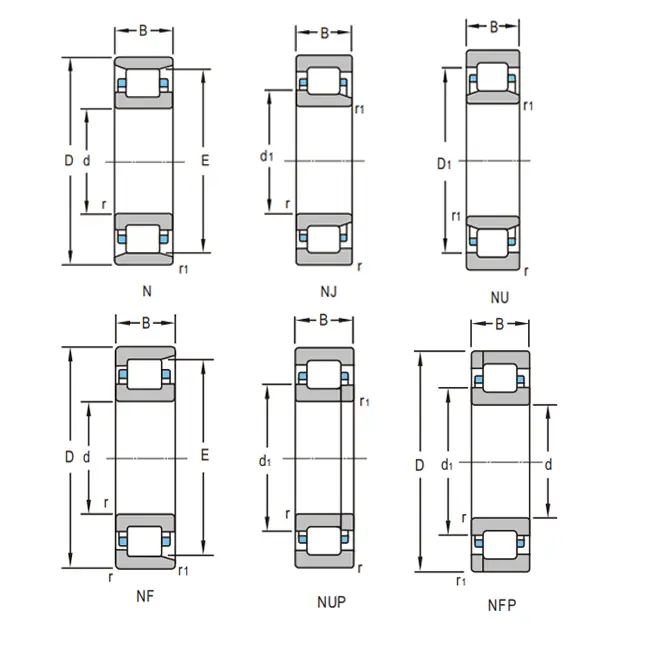
Understanding Carb Bearings and Their Role in High-Temperature Environments
Carb bearings are a new way to build bearings. They are made to handle very high and low temperatures that would damage traditional bearing systems. These parts are basically different from standard bearings because of the way they are made and the materials chosen for them.
Innovative Ring-Free Design Architecture
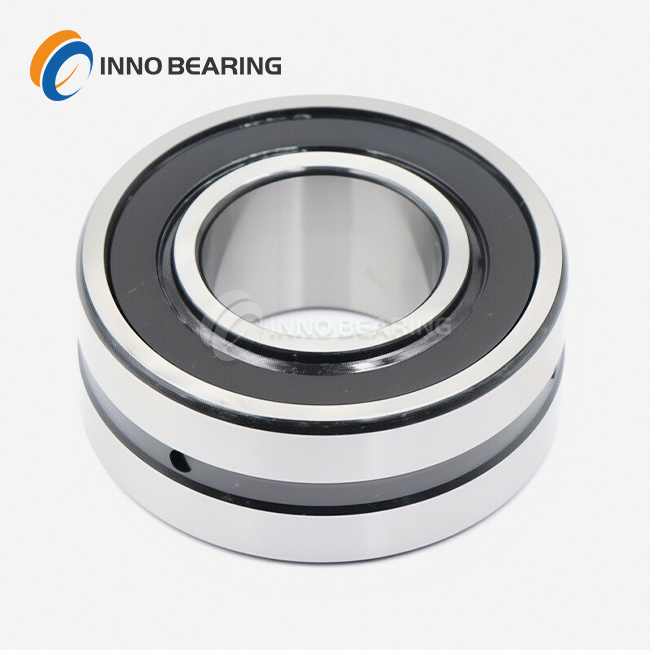
Carb bearings lack the usual inner and outer rings, which makes them unique. With the addition of specific cages, ring rollers create a new system that positions through the shaft and bearing housing. This setup allows for a lot of freedom in how it is put together, and it also makes up for mistakes in how it's mounted, which is something that happens a lot in situations with high temperatures.
The design without rings has a number of benefits over standard bearing systems. Removing the traditional rings makes thermal expansion issues go away that trouble standard bearings in very hot circumstances. Built-in contact seals keep the lubrication intact and stop harsh external factors from getting inside.
Material Excellence Under Thermal Stress
Choosing the right material is very important for how well carb bearings work in places where there is a lot of heat. When you add more complex elements to steel, like GCr15, GCR15SIMN, and 20Cr2Ni4A, you get much better temperature stability and resistance to wear. These materials are treated with heat in special ways that improve their ability to keep their shape even when they are exposed to thermal cycling for long periods of time.
The cage is made of either stamped steel or brass, and each has its own benefits based on how it will be used. Sealing systems use nitrile rubber for moderate temperatures or fluororubber for very high temperatures, which makes sure that they work in a wide range of thermal circumstances.
Critical Criteria for Selecting Carb Bearings for Extreme Temperatures
It is only possible to choose carb bearings for high-temperature uses that work well if a lot of different performance factors are tested in a consistent way. Understanding these factors allows procurement pros to make good choices that are in line with the needs of the business and the limits of the budget.
Temperature Resistance and Load Capacity Parameters
When choosing carb bearings for very harsh settings, the most important thing is how well they can handle high and low temperatures. These parts work very well in temperatures from -50°C to +150°C. Some versions made for special purposes can handle even higher temperature ranges. It will work reliably under tough industrial conditions, since the dynamic load capacity is over 200 kN and the static load rate is 300 kN.
The available levels of precision run from the standard P0/P6 grades to the high-precision P5 types. This makes sure that applications that need different levels of accuracy can use them. This makes it possible for engineers to choose the best bearings based on a range of operational tolerances and performance standards.
Application-Specific Sizing Requirements
Carb bearings come in a lot of different sizes. The inner diameters run from 50 mm to 500 mm, the outer diameters from 100 mm to 800 mm, and the widths from 20 mm to 100 mm. This wide range of sizes makes sure that it can be used in a variety of settings, from small electric motors to very large metalworking machines.
Quality inspection methods focus on very important factors, such as radial clearance, roller roundness, and seal contact performance. These measures have a direct effect on how reliable the operation is and how long the service lasts. This makes careful inspection necessary to keep up with performance standards.
Comparing Top Carb Bearing Options on the Market for High Temperatures
The industrial bearing market has a lot of different options for high-temperature uses, each with its own pros and cons. Knowing these choices makes it possible to make smart decisions that find a balance between performance needs and cost.
Material Technology Comparison
Formulations of high-carbon chromium steel keep costs down for normal uses while providing great heat stability. These materials are made with very strict quality control methods, such as laser measures to make sure the steel's purity and correctness of the dimensions.
When things get tough, advanced ceramic and hybrid materials work better than the rest. Ceramic hybrid cages can last up to three times longer than standard options. This is very useful for continuous casting applications because there are long delays in production when bearings have to be replaced often.
Performance Validation Through Real-World Testing
Industry-leading manufacturers implement comprehensive testing protocols that include vibration analysis, lifespan evaluation, and seal integrity verification. These tests usually have at least twelve different test factors. The defect rate is under 0.1%, and the expected service life is over 50,000 hours of operation.
Field performance data from mechanical installations shows that carb bearings work well in tough settings when the right ones are chosen. Continuous casting machines that work at 400°C have a lot fewer failures when they have the right bearings. Also, specialized seal materials help blast furnace tilting systems avoid corrosion.
Maintenance and Handling Tips for Extending Carb Bearing Lifespan in High Temperatures
Effective maintenance strategies maximize return on investment while ensuring consistent operational reliability. Implementing systematic approaches to bearing care significantly extends service life and reduces unexpected downtime costs.
Proactive Monitoring Systems
Modern maintenance approaches incorporate advanced monitoring technologies that track bearing performance continuously. Vibration sensors detect early signs of wear patterns, while temperature monitoring systems identify thermal anomalies before they compromise bearing integrity. Noise analysis provides additional diagnostic capabilities, enabling maintenance teams to schedule interventions during planned shutdown periods rather than responding to emergency failures.
These monitoring systems generate data streams that facilitate predictive maintenance strategies. By analyzing trending information, maintenance professionals can optimize replacement schedules and minimize inventory carrying costs while maintaining operational continuity.
Environmental Protection Strategies
High-temperature environments often include additional challenges such as dust contamination, chemical exposure, and humidity fluctuations. Proper environmental protection extends bearing life significantly while maintaining performance standards. Specialized cleaning procedures remove accumulated contaminants without compromising bearing surfaces or seal integrity.
Lubrication management becomes particularly critical in extreme temperature applications. Advanced lubricant formulations maintain viscosity characteristics across wide temperature ranges while providing enhanced protection against thermal degradation. Regular lubrication analysis identifies contamination issues and chemical breakdown before they impact bearing performance.
Procurement Best Practices for Carb Bearings in High-Temperature Applications
Strategic procurement approaches optimize total cost of ownership while ensuring supply chain reliability. Effective procurement strategies balance immediate cost considerations with long-term operational value creation.
Supplier Evaluation and Partnership Development
Successful carb bearing procurement requires thorough supplier assessment encompassing technical capabilities, quality certification compliance, and logistics reliability. Suppliers must demonstrate expertise in high-temperature applications through documented case studies and industry references. Manufacturing capabilities should include advanced testing equipment and quality control systems that ensure consistent product performance.
Long-term partnership development creates mutual benefits through improved communication, customization capabilities, and priority support during emergency situations. Suppliers offering comprehensive technical support, including application engineering and troubleshooting assistance, provide additional value beyond product delivery.
Total Cost Analysis and Risk Management
Comprehensive cost analysis considers multiple factors beyond initial purchase price. Extended service life, reduced maintenance requirements, and improved operational reliability often justify premium pricing for superior products. Warranty terms and after-sales support capabilities significantly impact total cost of ownership calculations.
Risk management strategies include supplier diversification, inventory optimization, and contingency planning for critical applications. Emergency replacement capabilities ensure operational continuity during unexpected failures while maintaining cost-effective normal operations.
INNO Bearing: Your Trusted Partner for High-Temperature Solutions
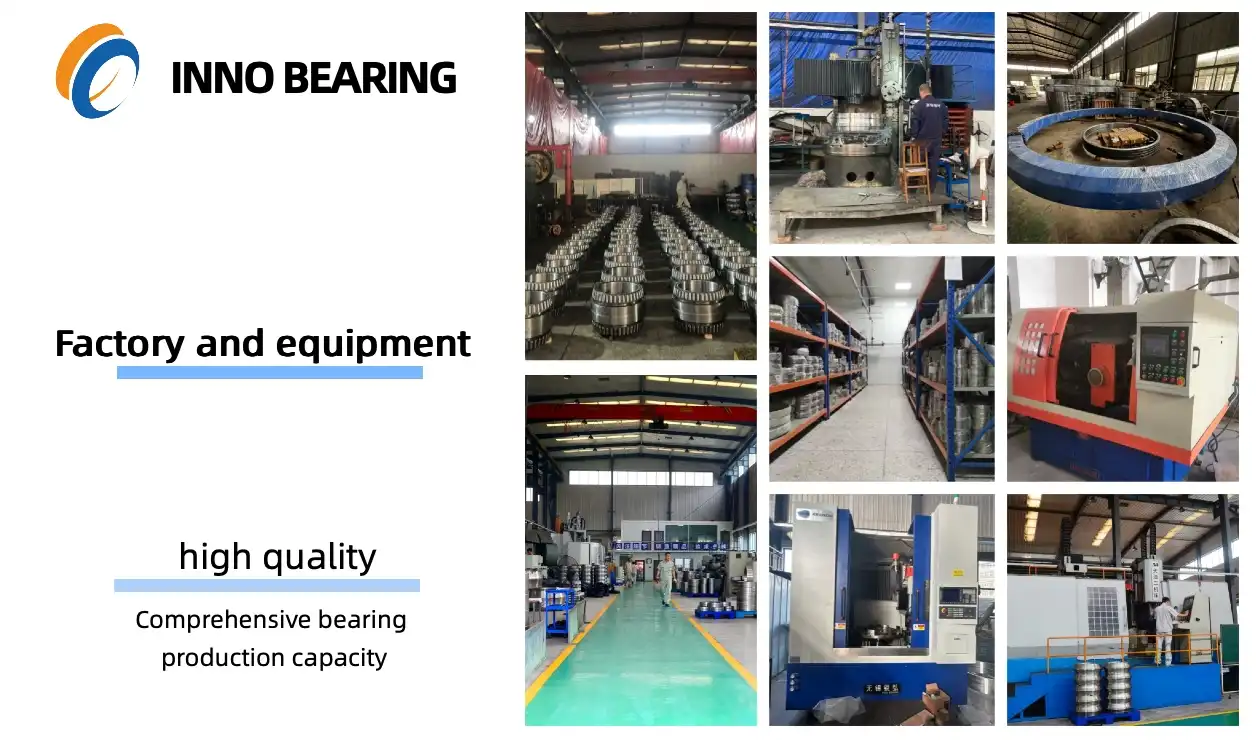
For almost thirty years, Luoyang INNO Bearing Co., Ltd. has been making high-quality bearings for industries with high standards. Our wide range of skills includes R&D, making sure designs work, precise manufacturing, and offering technical help.
By choosing materials carefully and making parts with great accuracy, our carb bearing Solutions work great in high-temperature settings. We offer custom options that meet specific needs and can handle φ5000mm sizes. We also keep our shipping times competitive.
Quality assurance routines make sure that products always work the same way by using very strict testing and inspection methods. Our modern factories use the latest tools for precision grinding and quality checks. This means our goods meet or go beyond international standards like ISO 9001, ISO 14001, CE, and GOST.
Conclusion
Choosing the right carb bearings for use in high-temperature settings requires a careful study of the needs of the application, the abilities of the materials, and the skills of the suppliers. In comparison to traditional bearing systems, carb bearings' special ring-free design offers superior freedom and thermal performance. The best bearing for a certain job depends on the material used, how exact it needs to be, and the situations in which it will be used. Total ownership costs are lowered and operational value is raised by good maintenance plans and relationships with suppliers. If industrial operations use thorough procurement practices and rely on the knowledge of experienced suppliers, they can count on even the most difficult thermal environments to work well.
FAQs
How do carb bearings differ from regular ball bearings in high-temperature environments?
Carb bearings feature a ring-free design that eliminates traditional inner and outer rings, using specialized materials like GCr15 steel and fluororubber seals. This construction provides superior thermal stability and reduces expansion-related complications that affect conventional bearings in extreme heat conditions.
What maintenance routine is recommended to maximize the lifespan of carb bearings under thermal stress?
Effective maintenance includes continuous monitoring of vibration, temperature, and noise levels, along with regular lubrication analysis and environmental contamination control. Implementing predictive maintenance strategies using sensor data helps optimize replacement schedules and prevent unexpected failures.
Can ceramic carb bearings completely replace steel bearings in extreme heat applications?
While ceramic hybrid carb bearings offer superior performance in extreme temperatures and can extend lifespan by up to three times, complete replacement depends on specific application requirements including load capacity, cost considerations, and operational conditions. Steel variants remain optimal for many high-temperature applications.
Partner with INNO Bearing for Premium Carb Bearing Solutions
INNO Bearing delivers industry-leading carb bearing solutions engineered specifically for high-temperature industrial applications. Our three decades of manufacturing excellence ensures reliable performance in the most demanding environments. Whether you need standard configurations or custom solutions, our technical team provides comprehensive support from initial design through ongoing maintenance optimization. Experience the difference that precision engineering and quality manufacturing make in your operations. Contact Us at sales@inno-bearing.com to discuss your specific requirements with our carb bearing specialists and discover how our solutions can enhance your operational reliability and efficiency.
References
Harris, T.A. & Kotzalas, M.N. "Advanced Concepts of Bearing Technology: Rolling Bearing Analysis, Fifth Edition." CRC Press, 2020.
Budinski, K.G. "Engineering Materials: Properties and Selection, Ninth Edition." Pearson Education, 2019.
Khonsari, M.M. & Booser, E.R. "Applied Tribology: Bearing Design and Lubrication, Third Edition." John Wiley & Sons, 2017.
Hamrock, B.J., Schmid, S.R. & Jacobson, B.O. "Fundamentals of Machine Elements, Third Edition." McGraw-Hill Education, 2018.
Stolarski, T. "Tribology in Machine Design." Industrial Press, 2021.
6. Norton, R.L. "Machine Design: An Integrated Approach, Sixth Edition." Pearson Education, 2020.