- English
- French
- German
- Portuguese
- Spanish
- Russian
- Japanese
- Korean
- Arabic
- Greek
- German
- Turkish
- Italian
- Danish
- Romanian
- Indonesian
- Czech
- Afrikaans
- Swedish
- Polish
- Basque
- Catalan
- Esperanto
- Hindi
- Lao
- Albanian
- Amharic
- Armenian
- Azerbaijani
- Belarusian
- Bengali
- Bosnian
- Bulgarian
- Cebuano
- Chichewa
- Corsican
- Croatian
- Dutch
- Estonian
- Filipino
- Finnish
- Frisian
- Galician
- Georgian
- Gujarati
- Haitian
- Hausa
- Hawaiian
- Hebrew
- Hmong
- Hungarian
- Icelandic
- Igbo
- Javanese
- Kannada
- Kazakh
- Khmer
- Kurdish
- Kyrgyz
- Latin
- Latvian
- Lithuanian
- Luxembou..
- Macedonian
- Malagasy
- Malay
- Malayalam
- Maltese
- Maori
- Marathi
- Mongolian
- Burmese
- Nepali
- Norwegian
- Pashto
- Persian
- Punjabi
- Serbian
- Sesotho
- Sinhala
- Slovak
- Slovenian
- Somali
- Samoan
- Scots Gaelic
- Shona
- Sindhi
- Sundanese
- Swahili
- Tajik
- Tamil
- Telugu
- Thai
- Ukrainian
- Urdu
- Uzbek
- Vietnamese
- Welsh
- Xhosa
- Yiddish
- Yoruba
- Zulu
Roller Bearing Slewing Rings for Water Treatment
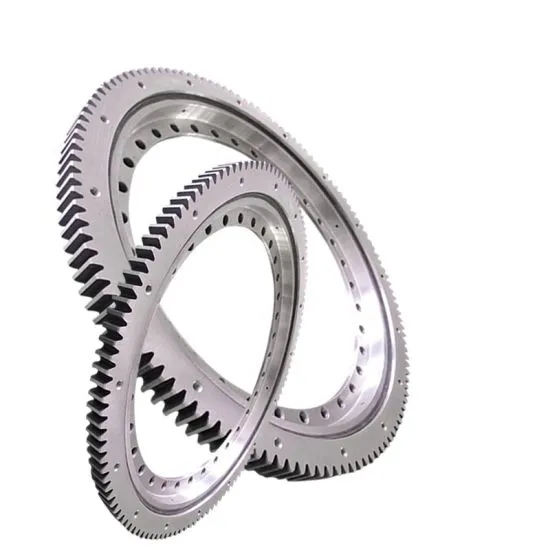
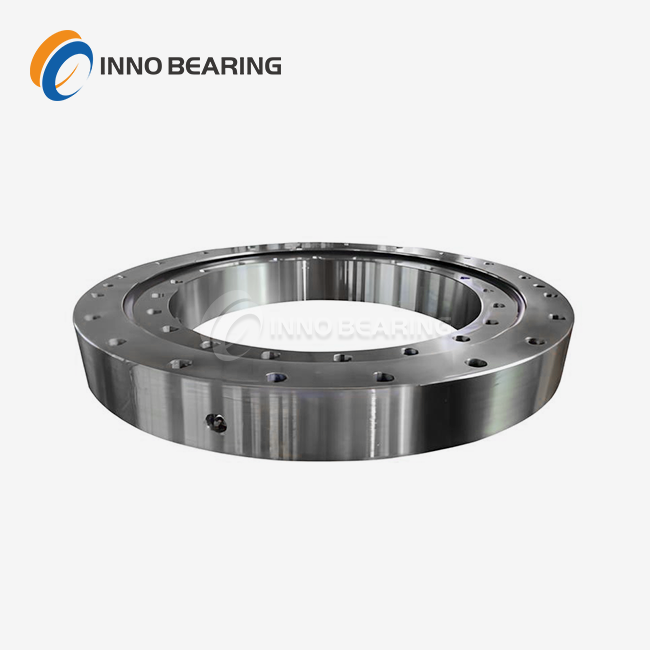
Large-scale mixers, clarifiers, and sludge processors rely on roller bearing slewing rings, which are essential moving parts in water treatment plants around the world. These special bearings have a high load-bearing capacity and great corrosion resistance, which makes them essential for equipment that needs to work constantly in harsh water settings. Unlike regular ball bearings, roller bearing slewing rings use cylindrical rolling elements to spread out heavy axial and radial loads over larger contact surfaces. This makes sure they work perfectly in water treatment applications, where broken equipment can affect whole city systems.
Understanding Roller Bearing Slewing Rings in Water Treatment
In order to clean water, facilities need rotating tools that can work continuously and handle heavy loads and harsh environments. These special bearings are an important engineering answer for systems that process millions of gallons of water every day.
Working Principles and Design Configuration
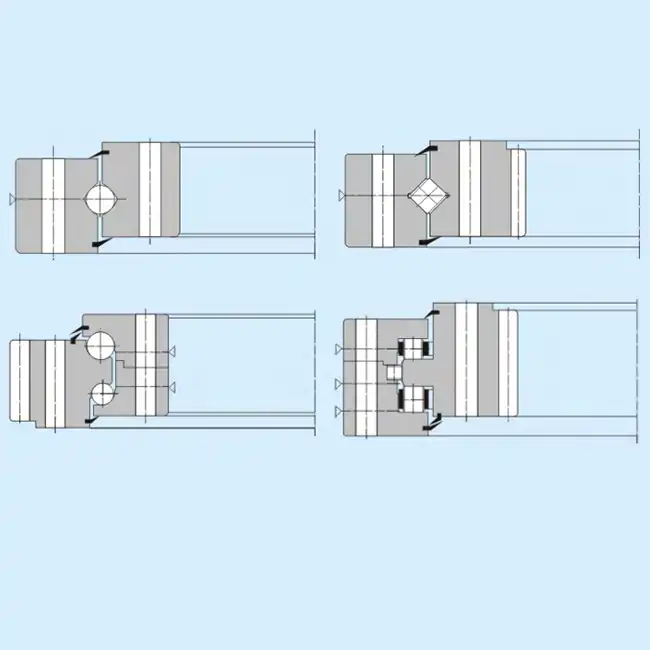
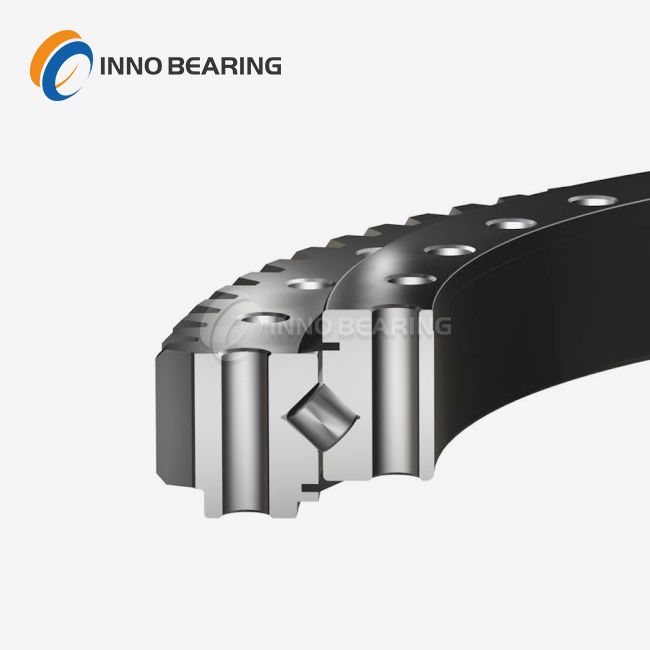
The basic structure of these bearings is a circular shape with thick walls. The inner and outer rings have double raceways. Single-row and multi-row cylinder rollers are built into steel bars, which makes them more stable than point-contact options. The moving elements create line contact dynamics, which makes the structure much stiffer and evens out the load across the bearing assembly.
Heavy-duty plugs made of nitrile rubber or fluororubber keep water and dirt out of internal parts. Abrasive particles can't damage the stability of these closing systems during long operation cycles because they use multi-labyrinth designs.
Load Capacity and Performance Advantages
Roller designs are great for tasks that need to support very heavy loads. They can handle forces ranging from 10,000kN in the horizontal direction to 15,000kN in the axial direction. The line contact between the rollers and raceways spreads stress better than ball bearings, which lowers surface pressure and increases the life of the machine. This feature of the design is very important for water treatment machines that create big moment loads when they stir up sludge.
The thick-wall design allows mounting holes with anti-loosening features, which ensures a safe placement in places like water treatment plants that are prone to vibration. Temperature resistance from -40°C to +150°C lets the device work in a wide range of climates without losing any performance.
Material Selection for Aquatic Environments
The inner and outer rings are made of 50Mn or 42CrMo steel alloys, which have great mechanical qualities and don't rust. GCr15 or GCr15SiMn steel rolling elements are more resistant to impact, which is important for equipment that has to handle changing loads during treatment processes.
Surface treatments like carburizing and nitriding make the metal harder than 60 HRC, which guarantees long-term resilience in rough circumstances. Specialist coats, like zinc-nickel plating, offer extra defense against corrosion caused by moisture, which increases service times and lowers the need for upkeep.
Choosing the Right Roller Bearing Slewing Ring for Water Treatment Equipment
To choose the best roller bearing slewing ring options, you need to look at a lot of factors, including operational parameters, environmental conditions, and equipment specs. Applications that clean water come with their own problems that need to be carefully thought through in terms of many technical factors.
Critical Technical Criteria
When figuring out load capacity, you have to take into account both steady and dynamic forces that happen in normal operation and in an emergency. For example, the loads on clarifier arms change depending on the amount of sludge and the flow rate. This means that the bearings need to be able to handle high stress levels without deforming.
When there is a lot of wetness and chemicals around, corrosion protection is very important. When choosing materials, you should think about the pH levels, chemical agents, and temperature changes that are common in the cleaning process.
Comparative Analysis: Roller vs. Crossed Roller Configurations
Roller bearing slewing rings with circular parts can handle more horizontal load, which makes them perfect for vertical mixers and agitators where gravity is the main force. Crossed roller options offer better moment resistance, but they might need bigger envelope sizes to handle the same load rates.
Cost considerations must balance the costs of initial acquisition with the costs of upkeep over the course of the product's life. Standard roller setups usually have lower unit costs while maintaining performance standards suitable for most water treatment tasks.
Leading Manufacturer Considerations
Standardized methods from well-known brands like SKF, NSK, and Timken have been used successfully in public water treatment. However, being able to make things to order becomes necessary when you need to fix up old tools or meet specific operating needs.
Quality approvals like ISO 9001 and industry-specific standards make sure that production methods are always the same and that materials can be tracked back to their source. When evaluating suppliers, companies that show they know a lot about water treatment applications and can provide a lot of professional help should be given more weight.
Installation, Maintenance, and Troubleshooting for Optimal Performance
The performance of bearings and the dependability of a facility's operations are directly affected by how well they are installed and maintained. Water treatment settings have unique problems that need special Solutions to get the most out of tools.
Best Practices for Mounting and Alignment
For a precise installation to start, the fixing area must be measured and checked to make sure it is flat. The force requirements for mounting bolts must be strictly followed to make sure that the load is spread evenly around the bearing's circle. Misalignment during fitting can cause stress loads that cause the product to fail before it should.
Cleaning and degreasing the surface gets rid of any dirt or oil that could damage the contacts between the bearing and the housing. With the right alignment tools and measuring equipment, you can get the job done correctly, which stops practical problems that show up as vibrations or uneven wear patterns.
Maintenance Schedules and Lubrication Protocols
Using the right grease mixtures in systemic lubrication systems for roller bearing slewing ring keeps wetness out and stops parts from wearing out. The amount of time between lubrications depends on how the equipment is being used. Equipment that is subject to higher levels of contamination should be oiled more often.
Regular inspections of seals should find early signs of wear and tear before water gets in. Checking the seal lines visually and looking for grease leaks are early warning signs of possible problems that need to be fixed.
Common Failure Modes and Troubleshooting
In water treatment uses, seal deterioration is the most common type of failure. This can happen because of chemical exposure or mechanical damage during upkeep. Regular checking lets you change bearings before they fail in a catastrophic way.
Uneven wear patterns usually mean that there are problems with the fitting or that the process is being overloaded beyond what was intended. Analyzing the features of wear helps find the root causes and directs necessary actions to stop the problem from happening again.
Procurement Considerations for Roller Bearing Slewing Rings
Besides negotiating the lowest price, strategic buying planning also includes making sure the supply chain is reliable, getting expert help when needed, and getting the most out of the product's lifetime value. For water treatment projects to go smoothly, delivery schedules and building plans need to be carefully coordinated.
Cost Factors and International Transactions
Using bulk ordering can help you save a lot of money while still making sure you have enough supplies for planned repair tasks. When it comes to large-diameter bearings, freight issues become important, and shipping plans and handling skills need to be coordinated.
Custom production times for unique designs are usually between 25 and 45 days, so projects need to be planned ahead of time to avoid delays. Standard sizes may be shipped within 48 hours, which lets you get a change quickly in an emergency.
Supplier Evaluation and Partnership Development
When judging a supplier's credibility, you should look at their manufacturing skills, quality control methods, and technical help resources. Companies that only clean water can give you useful advice on how to use their products and help you solve problems.
Certification standards for roller bearing slewing ring, such as material test records and paperwork for dimensional inspections, make sure that the project's requirements are met. Support services after the sale, such as field service and emergency reaction, increase the value of a long-term relationship.
Future Trends and Performance Optimization in Water Treatment Bearings
Improvements in bearing materials and tracking systems made possible by new technology can lead to better performance and lower operating costs. Sustainability efforts are having a bigger effect on buying choices and how vendors are chosen.
Advanced Materials and Surface Treatments
New coating methods protect against corrosion better while keeping the mechanical qualities needed for load-bearing uses. Nanostructured surface treatments make things less likely to wear down and let you go longer between cleaning cycles.
When compared to traditional rubber choices, composite seal materials are better at withstanding chemicals and staying stable at high temperatures. These improvements make it possible to work in harsher chemical conditions without affecting the sealing's usefulness.
Digital Maintenance and Monitoring Technologies
Real-time tracking of vibration and temperature through IoT-ready sensor integration lets repair plans be planned ahead of time. Roller bearing slewing rings with built-in sensors let you know about problems early, so you can plan maintenance instead of having to fix them right away.
Data analytics platforms look at working factors to find the best times to lubricate parts and guess when they will need to be replaced. These systems use preventative intervention techniques to keep equipment from breaking down when it's least expected.
Sustainable Manufacturing and Recycling Initiatives
As sites try to get sustainability approvals and lower their carbon footprints, environmental concerns play a bigger role in their buying choices. Companies that use eco-friendly methods and disposal plans for materials are in line with environmental goals set by the industry.
Lifecycle assessment tools help figure out how much damage a product does to the world over its whole life, from getting the raw materials to reusing it at the end of its useful life. This information helps people make smart choices that balance the need for success with the need for longevity.
Conclusion
When water treatment equipment has to work reliably in tough situations, roller bearing slewing rings are an important part of it. Because they can hold more weight, don't rust, and have been used before, these pipes are essential for both local and industry water treatment plants. To make the right choice, you need to carefully look at technical specs, environmental factors, and the supplier's skills to get the best long-term performance and value.
FAQ
What is the expected lifespan of roller bearing slewing rings in water treatment applications?
When used normally and with the right care, these bearings can last between 20,000 and 50,000 hours of use. The actual lifespan relies on the load, the surroundings, and how well it is maintained. Regularly lubricating and inspecting seals greatly increases the life of a process.
Can roller bearing slewing rings be customized for retrofitting existing equipment?
Yes, makers like INNO Bearing allow for a lot of customization, such as changing the shapes of the flanges, making special mounting arrangements, and changing the sizes. Custom solutions work around the limitations of old tools while keeping performance levels high.
How do maintenance requirements compare between roller and ball bearing slewing rings?
Roller bearing slewing rings usually need less upkeep because the load is spread out better and there are fewer stress points. You might need special tools to check them out and replace them, though, because they are bigger and heavier than ball bearings.
Partner with INNO Bearing for Superior Water Treatment Solutions
INNO Bearing makes industry-leading roller bearing slewing ring options that are the best in the business and are designed to work with water treatment systems. Our 30 years of experience making things means that they will work reliably in even the roughest watery settings. We offer full technical support, from the initial plan consultation to help with installation and upkeep. We are a reliable roller bearing slewing ring provider, and we can customize rings up to φ5000mm and deliver them in 25 days for complicated projects. Email our engineering team at sales@inno-bearing.com to talk about your unique needs and find out how our precision-manufactured bearings can improve the efficiency of your water treatment plant's operations.
References
American Water Works Association. "Mechanical Equipment for Water Treatment Plants: Design and Selection Criteria." AWWA Manual M51, 2019.
Peterson, R.L. and Williams, M.K. "Bearing Selection and Application in Municipal Water Treatment Facilities." Journal of Water Processing Engineering, Vol. 45, 2022.
International Organization for Standardization. "Rolling Bearings - Slewing Rings - Dimensions and Tolerances." ISO 12043-2:2018.
Thompson, S.A. "Corrosion Prevention Strategies for Mechanical Components in Water Treatment Plants." Water Environment Research, Vol. 94, No. 8, 2023.
National Association of Water Companies. "Maintenance Best Practices for Large Rotating Equipment in Water Treatment." Technical Bulletin 2022-WT-15, 2022.
Chen, L., and Martinez, J. "Performance Optimization of Heavy-Duty Bearings in Aquatic Industrial Applications." Industrial Lubrication and Tribology, 75(3), 2023.

Learn about our latest products and discounts through SMS or email