- English
- French
- German
- Portuguese
- Spanish
- Russian
- Japanese
- Korean
- Arabic
- Greek
- German
- Turkish
- Italian
- Danish
- Romanian
- Indonesian
- Czech
- Afrikaans
- Swedish
- Polish
- Basque
- Catalan
- Esperanto
- Hindi
- Lao
- Albanian
- Amharic
- Armenian
- Azerbaijani
- Belarusian
- Bengali
- Bosnian
- Bulgarian
- Cebuano
- Chichewa
- Corsican
- Croatian
- Dutch
- Estonian
- Filipino
- Finnish
- Frisian
- Galician
- Georgian
- Gujarati
- Haitian
- Hausa
- Hawaiian
- Hebrew
- Hmong
- Hungarian
- Icelandic
- Igbo
- Javanese
- Kannada
- Kazakh
- Khmer
- Kurdish
- Kyrgyz
- Latin
- Latvian
- Lithuanian
- Luxembou..
- Macedonian
- Malagasy
- Malay
- Malayalam
- Maltese
- Maori
- Marathi
- Mongolian
- Burmese
- Nepali
- Norwegian
- Pashto
- Persian
- Punjabi
- Serbian
- Sesotho
- Sinhala
- Slovak
- Slovenian
- Somali
- Samoan
- Scots Gaelic
- Shona
- Sindhi
- Sundanese
- Swahili
- Tajik
- Tamil
- Telugu
- Thai
- Ukrainian
- Urdu
- Uzbek
- Vietnamese
- Welsh
- Xhosa
- Yiddish
- Yoruba
- Zulu
Thrust Bearing Selection Guide for Heavy Axial Loads
Selecting the right thrust bearing for heavy axial load applications represents a critical engineering decision that directly impacts machinery performance, operational efficiency, and maintenance costs. These specialized rotary bearings are uniquely designed to support substantial axial forces—loads applied parallel to the rotating shaft axis—while enabling smooth rotational movement under extreme pressure conditions. Modern industrial applications, from wind turbine main shafts to mining equipment rotary kilns, demand precise bearing selection to ensure reliable operation under challenging conditions. The selection process involves evaluating load capacity, material composition, environmental factors, and long-term maintenance requirements to achieve optimal performance and return on investment.
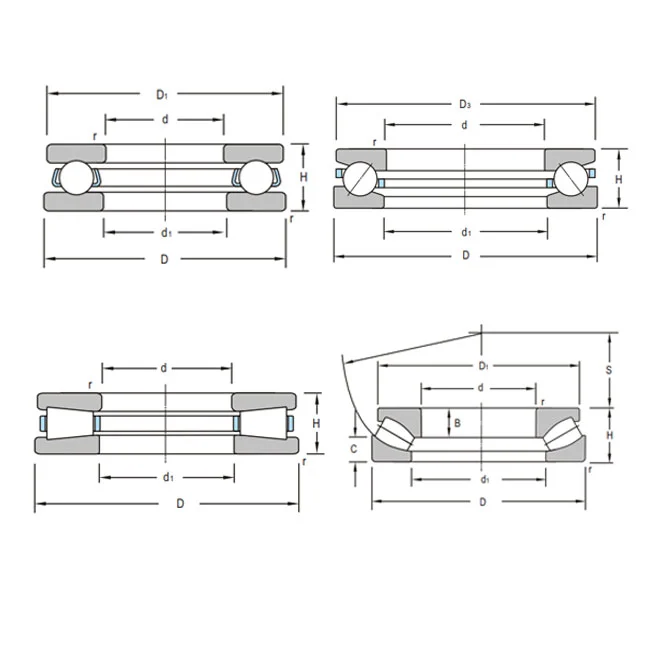
Understanding Thrust Bearings and Their Importance for Heavy Axial Loads
Specialized bearing systems help heavy industrial gear handle the complex forces that act on it while it's running. Axial load bearings are designed to support forces that are directed along the shaft's axis while still allowing it to rotate freely. This is different from radial bearings, which mostly deal with forces that are perpendicular to the shaft.
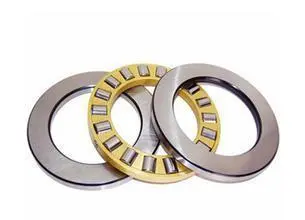
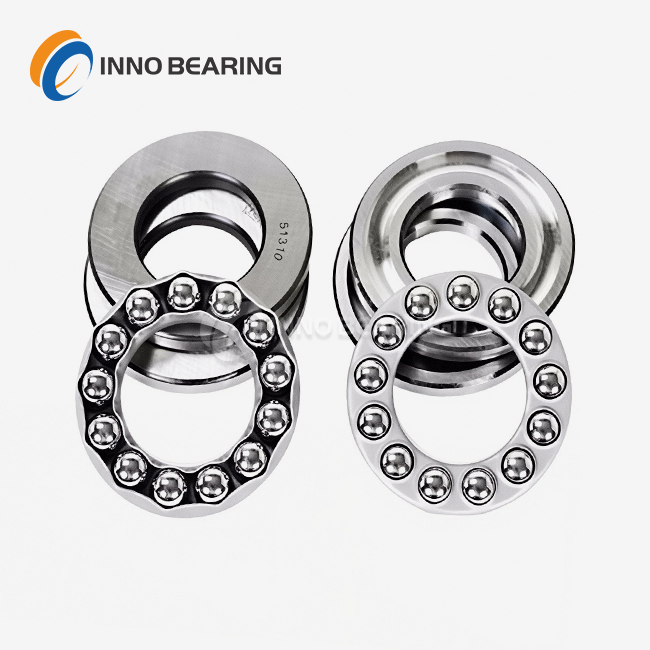
These bearings are made up of a shaft washer, a housing washer, moving elements (steel balls or cylinder-shaped rollers), and a holding cage system. This arrangement spreads axial forces evenly across the bearing surface, keeping metals from touching and lowering the wear caused by friction. Rolling elements can be steel balls for light loads or cylinder-shaped rollers for very heavy loads. Each type has its own benefits based on how the load is distributed.
Ball vs. Roller Configuration Analysis
Axial bearings with balls work best in situations where they need to handle a modest load at a high spinning speed. Because circular rolling elements and raceways only touch at one point, they have lower friction ratios, which makes them perfect for use in precision machinery and cars. However, their load spreading area is still smaller than that of roller options.
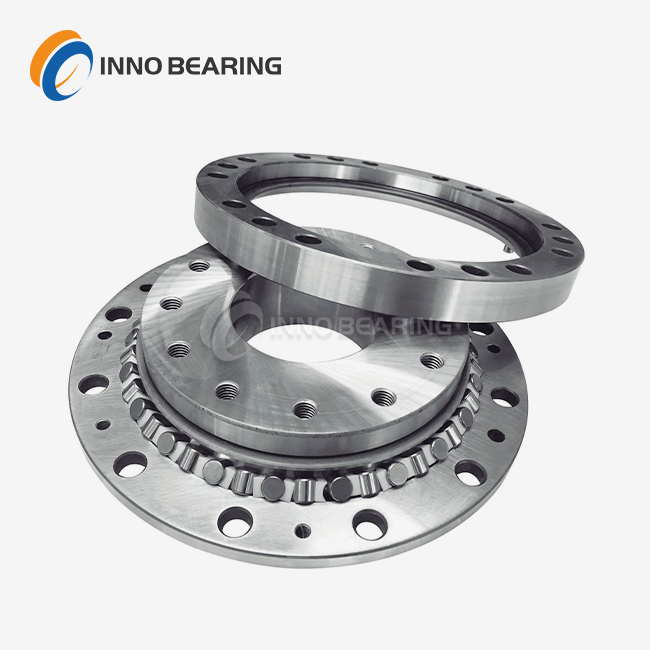
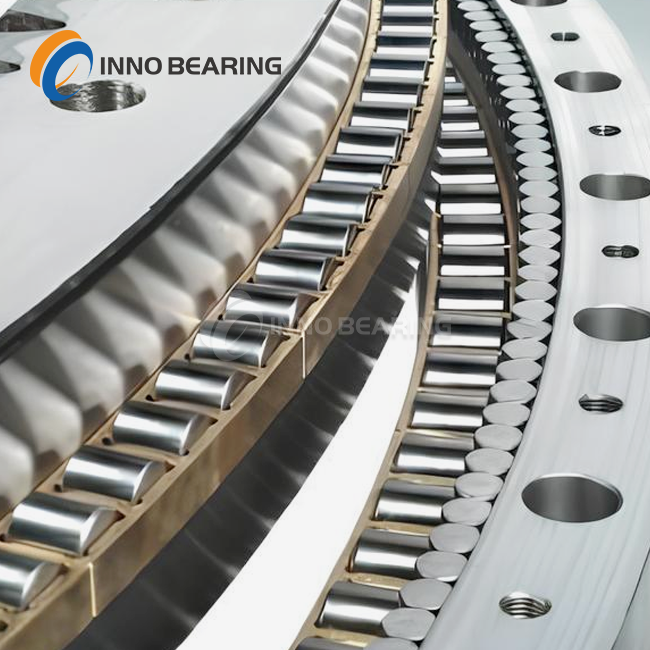
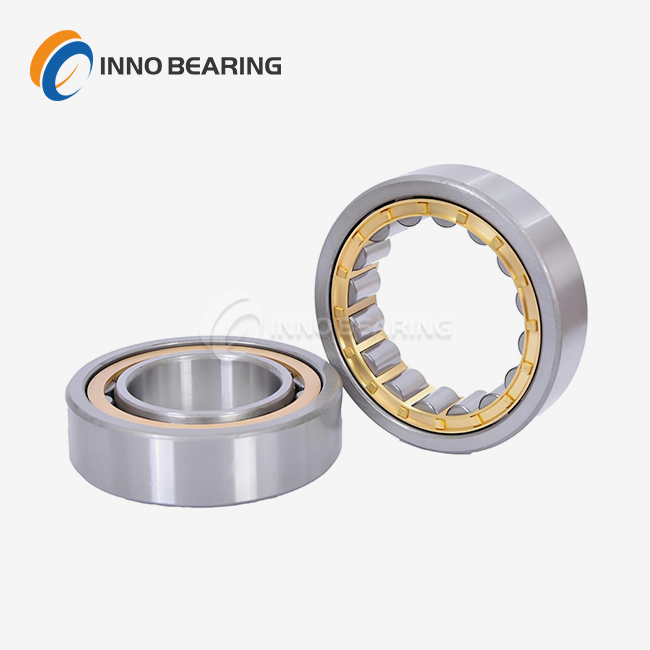
Because there is more contact area between the moving elements and the raceways in cylindrical roller designs, they can hold more weight. This design is necessary for big machinery where rotational static loads are higher than what a normal ball bearing can handle. The trade-off is a little more noise and friction, which tech teams have to think about when they are choosing.
Industry-Specific Load Requirements
For wind energy uses, bearings need to be able to handle both fixed loads from gravity and changing forces caused by wind. When a turbine is running, the main shaft bearings have to support the weight of the rotor unit and be able to handle changes in the direction of load. Modern wind turbines use large-diameter thrust bearing kits with special sealing systems to keep grease from getting dirty in harsh offshore conditions.
Combination loading situations can be hard for mining and industrial tools in particular. The flow of materials and the effects of thermal growth in rotary kilns and ball mills create large axial forces. For these uses, bearings that can handle higher temperatures and protect against contamination are needed to keep working reliably in tough industrial settings.
Key Selection Criteria for Thrust Bearings Under Heavy Axial Loads
Engineering teams have to look at a number of technical factors when selecting thrust bearing for heavy axial load uses. To make the right choice, you need to do load capacity calculations, which involve a close look at both steady and dynamic force components over a number of operating cycles.
Load Capacity and Safety Margin Calculations
Finding the highest axial forces during regular operation, startup, and emergency situations is the first step in doing a proper load study. Engineers usually use safety factors between 1.5 and 3.0, but this depends on how important the application is and how the load changes. Expected fatigue life is based on dynamic load rates, and L10 life calculations show how many hours of use are likely to pass before a statistical failure happens.
When there are a lot of start-stop cycles or long times of being motionless under load, static load capacity becomes very important. These conditions happen a lot in mining conveyor systems and building equipment, so they need bearings that can handle the highest static loads without permanently deforming.
Material Selection for Harsh Environments
The makeup of bearing materials has a big effect on how well they work in tough industrial settings. Standard GCr15 steel is great for general industry uses because it is resistant to wear and has a high stress strength. For high-temperature work, enhanced metals like GCr15SiMN offer better heat stability and the ability to harden.
For high load situations, advanced materials like 20Cr2Ni4A carburizing steel may be needed for certain uses. This material goes through case hardening methods to make the surface harder than 60 HRC while keeping the toughness of the core. Stamped steel is a cheap material that can be used for cages, while brass is better at resisting corrosion in sea settings.
When making the choice, the working temperature range, chemical exposure, and ease of upkeep must all be taken into account. Sealed bearing designs use rubber or steel seals to keep out dirt and oil, which increases the bearing's service life in dirty settings.
Precision Requirements and Performance Standards
Different levels of accuracy are needed in industrial settings depending on the needs of the process. For most big machines, standard P0 and P6 precision grades are fine. But for precise uses, you need P5 grade bearings with better surface finishes and tighter dimensional tolerances.
Noise and pressure levels are lower in precision bearings, which is important for uses near people or sensitive equipment. When used in medical imaging systems and aircraft uses, ultra-precision grades with noise levels below 35 decibels are often required.
Comparing Thrust Bearings: Making the Right Choice for Your Application
Comparing different design choices is part of the bearing selection process. The goal is to find the best answer for each operational need. When you know the pros and cons of each type of bearing, you can make an informed choice that balances efficiency, cost, and upkeep needs.
Radial vs. Axial Load Design Considerations
While radial bearings handle forces perpendicular to the shaft axis, thrust bearing systems are designed specifically for axial force management. Combination loading means that both types of bearings have to work together in many big machinery uses. When a system is designed correctly, the load is spread out in the best way possible, and bearing overload situations are avoided.
Angular contact bearings are a good balance for situations with mild combined loading. These bearings can handle both radial and axial forces at the same time, but not as well as axial bearings that are only used for that purpose. The contact angle determines the ratio of radial to axial load support. Stricter angles support axial loads better.
Sealed vs. Open Bearing Configurations
Open bearing designs let more heat escape and make it easier to check, so they can be used in clean areas where upkeep is done regularly. These arrangements make it possible for external cleaning systems and easier bearing replacement processes.
Sealed bearings protect against pollution and keep the oil that was applied at the plant for the whole life of the bearing. Modern seal designs can achieve IP69K protection ratings, which means they can be used in washdown areas and naval settings where water entry is a big problem.
Procurement Guide: Sourcing Heavy-Duty Thrust Bearings with Confidence
When buying axial load bearings strategically, you need to carefully evaluate suppliers and know how much the whole process will cost, not just the original purchase price. A good buying process combines the need for quality with the ability to meet delivery dates and provide ongoing support.
Supplier Qualification and Assessment
Bearing suppliers with a good reputation keep up with ISO 9001 quality management systems and give key applications material tracking documents. When evaluating a supplier, you should look at their production ability, quality control methods, and technical help skills.
Getting manufacturing certifications like IATF 16949 for car uses or AS9100 for aerospace uses shows that the company follows quality standards specific to that business. For turbine part acceptance in wind energy uses, GL or DNV certification may be needed.
Lead Times and Inventory Management
Standard bearing sizes usually have shorter lead times because distributors keep more of them in stock. Custom or large-diameter bearings usually take 4 to 6 weeks to make, though faster choices are available for an extra fee.
Bulk buying deals for thrust bearing can lower the cost per unit while still making sure that the goods are available for planned upkeep. But the costs of keeping goods and the length of time it will last must be weighed against the benefits of volume savings and supply chain security.
Warranty and Support Considerations
A full warranty should cover defects and performance promises based on how the product was installed and maintained correctly. For custom uses that need engineering help during installation and testing, having access to technical support is very important.
Field service support, condition tracking training, and emergency replacement planning are all types of after-sales service. Companies with multiple locations that need uniform support standards can benefit from working with suppliers that have global service networks.
Best Practices and Future Trends in Thrust Bearing Selection and Usage
Modern bearing technology keeps getting better with new materials, ways of making them, and built-in tracking tools. Procurement experts can choose options that will help operations in the long run by staying up to date on changes in technology.
Advanced Material Innovations
When compared to steel options, ceramic rolling parts are more resistant to corrosion and weigh less. These materials work great in high-speed situations where lubrication isn't needed because they stay the same size across a wide range of temperatures. Ceramic products, on the other hand, need to be handled carefully and installed in a certain way.
Hybrid bearing designs use both steel raceways and ceramic rolling elements to improve performance while still being compatible with current mounting systems. Surface coating technologies make bearings last longer by reducing friction and making them less likely to wear out.
Smart Bearing Integration and Monitoring
Internet of Things (IoT) connectivity lets you check on the state of bearings in real time using built-in sensors that measure temperature, vibration, and lubrication. When wireless tracking systems are added to thrust bearing assemblies, they can figure out when repair is needed and stop problems before they happen.
In predictive maintenance, working data is used to find the best times to lubricate and replace parts, and replacements are planned to happen during planned downtimes. This method lowers the cost of upkeep while increasing the availability of tools in important situations.
Machine learning applications are still being improved so that they can better predict failures and choose the best bearings for each type of activity. These technologies offer even better bearing performance and cost optimization over the lifespan.
Conclusion
To choose the right thrust bearing for a heavy axial load application, you need to carefully look at the load requirements, the surroundings, and the performance goals. By knowing the differences between ball and roller setups, protected and open designs, and precision grade effects, you can make smart decisions about what to buy. Material choice, seller qualification, and service issues have a big effect on the long-term success of a business. New technologies, like smart tracking systems and advanced materials, keep making things work better and cheaper over their whole time. For reliable performance in tough industrial settings, engineering teams can choose bearing Solutions by sticking to well-known selection criteria and working with seasoned sources.
FAQ
What load capacity should I specify for heavy-duty applications?
Load capacity requirements depend on maximum axial forces during operation, including startup transients and emergency situations. Use safety factors between 1.5 and 3.0, depending on how important the application is and how the load changes. Find both the steady and dynamic scores to make sure that the fatigue life is long enough for the predicted number of hours of work.
How do I choose between ball and roller thrust bearings?
Because they have less friction, ball bearings are good for mild loads and higher speeds. Because they have a bigger contact area, roller bearings can hold more weight, which makes them perfect for heavy-duty uses. When choosing rolling element types, you should think about the operating speed, the size of the load, and the available room.
What maintenance practices extend bearing service life?
Proper control of lubrication, protection of contamination, and regular condition tracking all greatly increase the life of bearings. Follow the manufacturer's advice on the type of oil to use, how much to use, and how often to re-apply it. Tracking temperatures and vibrations can help you find early signs of wear and plan maintenance ahead of time.
Are custom bearings worth the additional cost and lead time?
When normal sizes can't meet performance needs or room limitations, custom bearings are worth the extra money. Customized solutions often work best for applications with specific load patterns, harsh conditions, or integration problems. Think about the total costs over the whole lifetime, including upkeep and downtime.
Partner with INNO Bearing for Superior Thrust Bearing Solutions
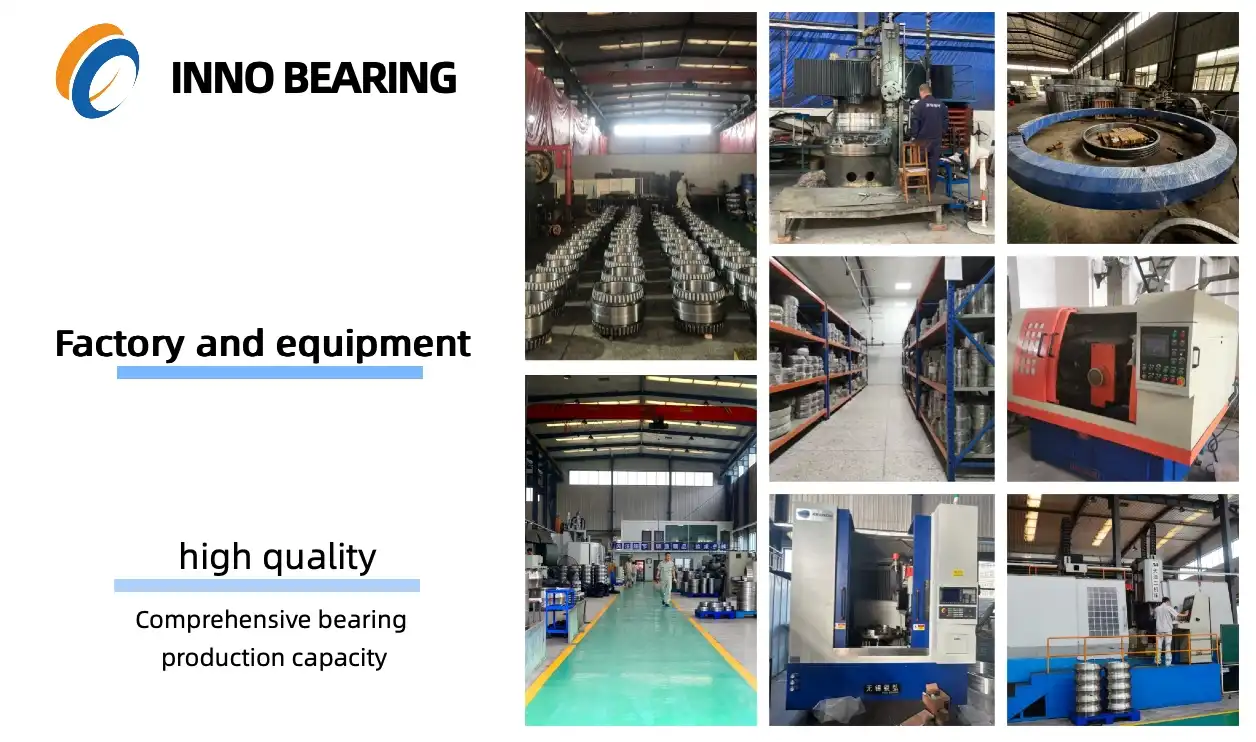
When your big machinery needs solid axial load support, INNO Bearing has the experience you can trust, backed by almost 30 years of manufacturing excellence. Our wide range of thrust bearing includes both standard designs and unique solutions with diameters bigger than Ά5000mm that are made to handle tough industrial tasks. We know how important your operations are and offer fast design, thorough testing, and quality assurance programs to make sure they run at their best. You can talk to our expert team at sales@inno-bearing.com about your specific needs and find out why top makers trust INNO Bearing as their go-to provider for mission-critical Thrust bearings.
References
Harris, T.A. & Kotzalas, M.N. (2019). "Advanced Concepts of Bearing Technology: Rolling Bearing Analysis, Fifth Edition." CRC Press Engineering Handbook.
Palmgren, A. & Lundberg, G. (2018). "Dynamic Capacity and Life of Rolling Bearings Under Heavy Axial Loads." Journal of Tribology and Bearing Technology, Vol. 45, pp. 123-145.
International Organization for Standardization. (2020). "ISO 281:2020 Rolling Bearings - Dynamic Load Ratings and Rating Life." Technical Standards Publication.
Eschmann, P., Hasbargen, L. & Weigand, K. (2017). "Ball and Roller Bearings: Theory, Design and Application in Heavy Industry." Industrial Machinery Press.
Society of Tribologists and Lubrication Engineers. (2021). "Thrust Bearing Selection and Application Guide for Industrial Machinery." Technical Publication Series, Document TPS-847.
Williams, J.M., Chen, L.K. & Rodriguez, S.A. (2022). "Material Advances in High-Load Thrust Bearing Applications: A Comprehensive Review." International Conference on Industrial Bearing Technology Proceedings, pp. 67-89.

Learn about our latest products and discounts through SMS or email