- English
- French
- German
- Portuguese
- Spanish
- Russian
- Japanese
- Korean
- Arabic
- Greek
- German
- Turkish
- Italian
- Danish
- Romanian
- Indonesian
- Czech
- Afrikaans
- Swedish
- Polish
- Basque
- Catalan
- Esperanto
- Hindi
- Lao
- Albanian
- Amharic
- Armenian
- Azerbaijani
- Belarusian
- Bengali
- Bosnian
- Bulgarian
- Cebuano
- Chichewa
- Corsican
- Croatian
- Dutch
- Estonian
- Filipino
- Finnish
- Frisian
- Galician
- Georgian
- Gujarati
- Haitian
- Hausa
- Hawaiian
- Hebrew
- Hmong
- Hungarian
- Icelandic
- Igbo
- Javanese
- Kannada
- Kazakh
- Khmer
- Kurdish
- Kyrgyz
- Latin
- Latvian
- Lithuanian
- Luxembou..
- Macedonian
- Malagasy
- Malay
- Malayalam
- Maltese
- Maori
- Marathi
- Mongolian
- Burmese
- Nepali
- Norwegian
- Pashto
- Persian
- Punjabi
- Serbian
- Sesotho
- Sinhala
- Slovak
- Slovenian
- Somali
- Samoan
- Scots Gaelic
- Shona
- Sindhi
- Sundanese
- Swahili
- Tajik
- Tamil
- Telugu
- Thai
- Ukrainian
- Urdu
- Uzbek
- Vietnamese
- Welsh
- Xhosa
- Yiddish
- Yoruba
- Zulu
Selecting Spindle Bearings for High-Speed Machine Tools
One of the most important choices in modern manufacturing is choosing the right spindle bearings for high-speed machine tools. These precise parts have a direct effect on how well machines work, how long they last, and the quality of the work they make in CNC applications, grinding operations, and machining centers. Choosing between different bearing types, materials, and precision grades can have a big effect on the speed, accuracy, and upkeep needs of your equipment. Making an informed choice is important to get the most out of your investment.
Understanding Spindle Bearings: Types, Design Features, and Performance
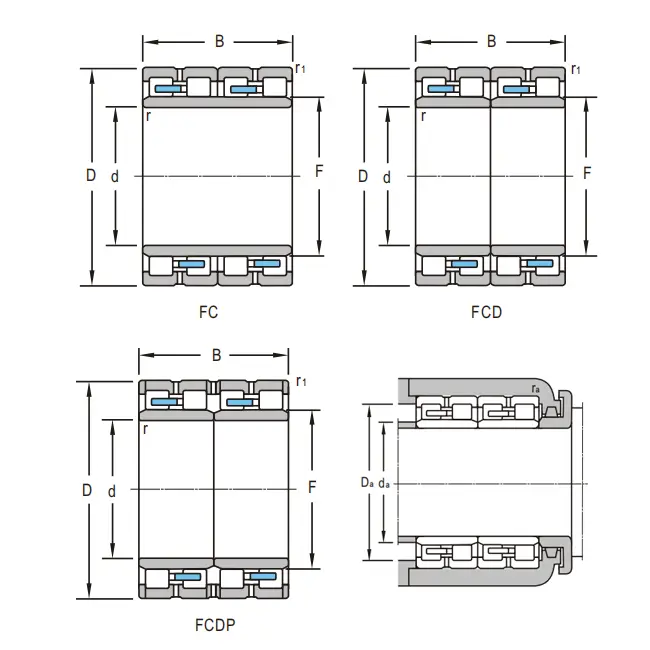
Machine tool spindle bearings are very different from regular rolling elements because they need to be designed and manufactured with a lot of precision. These parts are essential for modern manufacturing because they can handle both axial and rotational loads and keep their accuracy even when they're rotating at high speeds.
Angular Contact Ball Bearings vs. Standard Options
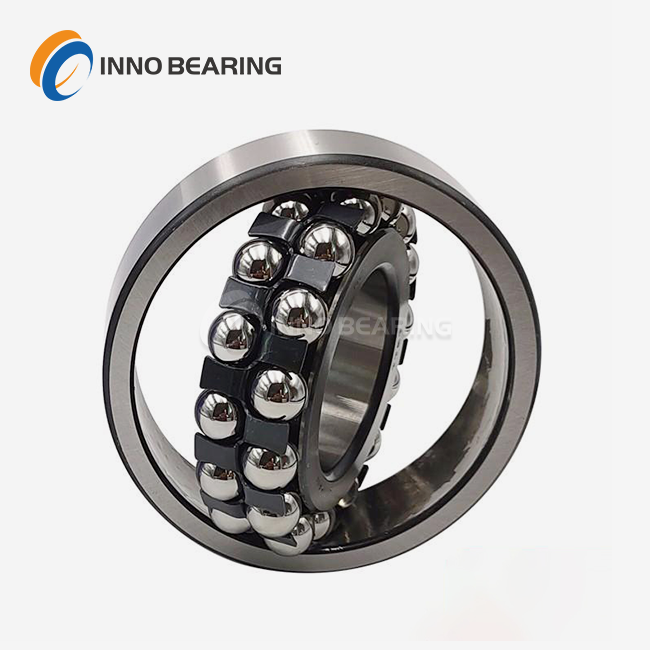
Because they can handle more weight and move faster, Angular contact ball bearings are the most popular choice for machine tool uses. Unlike regular radial ball bearings, these units have contact angles that are adjusted between 15 and 40 degrees. This lets them handle axial and radial forces well together. Precision-ground raceways and high-grade steel balls are used in the design so that the dimensions stay stable even in the harshest working conditions.
Single-row designs have less friction and can go faster than double-row designs. Double-row designs are more stiff and can hold more weight. Separatable inner ring designs make installation and upkeep easier. This is especially helpful in complicated machining center settings where access may be limited.
Advanced Material Technologies
Modern spindle bearings are made with high-quality materials that are designed to work in tough conditions. GCr15 and GCr15SiMn steel alloys have very high hardness levels (60–64 HRC), which makes them resistant to wear and stable in their shape. Advanced heat treatment methods make metal structures that are regular, don't wear out, and stay precise over long periods of time.
Ceramic hybrid choices have steel raceways and silicon nitride balls, which reduces friction, lowers working temperatures, and increases service life. These new materials make it possible to work at speeds faster than usual while still keeping the precise specs needed for high-quality cutting.
Precision Grade Classifications
In important uses, precision grades have a direct effect on how well spindle bearings work. Standard precision P4 class bearings are good for most machining tasks; they have rotational runout specifications of ≤0.002mm and vibration levels that meet Z1–Z4 standards. For uses that need very precise surface finishes and size limits, P2 ultra-precision grades are the best choice.
How to Identify and Prevent Common Spindle Bearing Issues?
Proactive repair and tracking plans greatly increase the service life of bearings and stop expensive unplanned downtime. Understanding how failures happen and taking steps to stop them makes sure that the bearing works reliably for as long as it's supposed to.
Early Warning Signs and Diagnostic Techniques
By spotting early signs of failure, you can act quickly to stop a major failure before it happens. Here are the main signs that need instant attention:
- Too much noise: Operating noise above 45dB could mean that there is damage inside or not enough grease.
- When the temperature goes up, it means that the bearings are overloaded or the grease is breaking down.
- Changes in vibration: Changes in vibration patterns often happen before damage and efficiency loss can be seen.
- Less accuracy: parts with smaller or larger tolerances may show signs of bearing wear
These warning signs usually show up weeks or months before the failure happens, giving people important chances to step in and help. Monitoring temperatures works especially well because bearing temperatures above standard working ranges show problems that need to be looked into right away.
Lubrication Best Practices
Proper lubrication is still essential for making bearings last longer and work consistently. For high-speed uses, you need special lubricants made for harsh conditions. These are usually synthetic oils or precision greases with the right thickness. Protecting bearing surfaces from abrasive particles that speed up wear is possible with good seals and filter systems.
When to lubricate depends on how the machine is being used, but for most high-speed tasks, continuous oil lubrication methods work best because they keep the film thickness constant and get rid of heat quickly. Oil research done on a regular basis can help find pollution or wear and tear before they cause damage.
Comparing Spindle Bearing Options: Making an Informed Decision
Choice of material and precise specs have a big effect on how well spindle bearings work, how much they cost, and whether they are right for certain uses. Knowing about these trade-offs lets you make the best choice for your specific needs.
Ceramic vs. Steel Bearing Technologies
For normal uses, steel bearings made from GCr15 metals have been shown to be reliable and cost-effective. These materials can hold a lot of weight, can be made in tried-and-true ways, and are widely available from many sources. Most of the time, steel choices can handle heavier loads and work well in tough conditions.
Ceramic hybrid bearings work great in high-speed situations where less friction and a longer service life are worth the extra cost at first. Silicon nitride balls have 40% less centrifugal force than steel balls of the same size. This means they can spin faster while producing less heat. Because ceramic materials don't conduct electricity, they also don't get damaged by electrical discharge during cutting processes.
Precision Grade Selection Criteria
To choose between P4 and P2 precision grades, you have to weigh the need for efficiency against the need to save money. P4 bearings work very well for general grinding tasks; they can reach speeds of over 10,000 RPM and have rotational runout of less than 0.002mm. These standards meet most of the needs for production while keeping the prices of getting them down.
P2 ultra-precision grades are needed for jobs that need very smooth surfaces or very close specs on the sizes of the parts. These bearings make it possible to grind to a mirror-finish and machine aircraft parts with great accuracy, which isn't possible with standard precise grades.
Procurement Considerations for Bulk and Custom Spindle Bearings
Strategic planning for buying things makes sure that there is a steady supply, reasonable prices, and expert help for the whole lifecycle of a product. Making good buying choices requires knowing what suppliers can do and how the market works.
Bulk Order Strategies
Buying in bulk saves a lot of money and makes sure that there is enough material to keep production going. Suppliers usually have tiered price systems, with big savings for orders of more than 500 units. But buying in bulk needs careful planning of demand and inventory management to avoid problems with going out of date or not having enough space.
Setting up blanket purchase orders with planned releases lets you get better prices on large orders while still being able to adapt to changing production needs. This method works especially well for OEMs whose bearing usage trends are consistent across multiple product lines.
Custom Manufacturing Considerations
Custom manufacturing Solutions are often needed for bearing needs that aren't standard, like for specific machine tools or retrofit uses. Custom bearings have longer wait times—usually 15 to 20 days for research and production—but they can work best in certain situations.
Working closely with suppliers during the planning part makes sure that the product can be made and still meet performance standards. Suppliers who have a history of custom manufacturing can help with planning, making prototypes, and increasing production to meet project deadlines.
Knowing the minimum order amounts for custom spindle bearings can help you keep track of your supplies and costs. Custom choices usually have higher MOQs than standard items, so standardizing designs is a good idea when it can be done.
Best Practices for Selecting Spindle Bearings for High-Speed Applications
To choose the best bearings, you need to look at all of their working factors, performance needs, and total cost of ownership. Evaluation methods that are organized in a way that makes sense ensure long-term success in tough situations.
Performance Parameter Alignment
To match bearing standards to machine needs, you have to look at a lot of things that are all connected. Speed limits must be higher than the spindle's top speed, with enough room for error, and load limits must take into account both cutting forces and heat expansion. To keep costs down and avoid over-specification, precision standards should match machining limits.
Conditions in the environment, especially temperature ranges, pollution exposure, and shaking levels, have a big impact on the choice of bearing. Extreme settings require bearings with better seals, special materials, and strong cage designs to keep working well even when things get tough.
Total Cost of Ownership Analysis
Initial bearing costs are the costs that you can see when you buy something. Total ownership costs include things like installation, upkeep, energy use, and replacement work. Most of the time, high-quality bearings have lower overall costs because they last longer, need less upkeep, and use less energy.
The costs of downtime often outweigh the costs of replacing bearings, so dependability and an expected service life should be the main factors used to choose a bearing. Premium bearings with a history of reliability make up for higher starting costs by lowering the risk of failure and extending the time between repair visits.
Real-World Application Examples
When a big company that makes car parts upgraded their CNC machining centers to P4 precision bearings, they cut down on downtime by 40%. The better dimensional stability led to longer tool life and better surface finishing, which cut down on total production costs even though bearing costs went up.
In the same way, a company that makes aircraft parts used ceramic hybrid bearings in high-speed grinding processes. This made the bearings last 60% longer and improved the quality of the surface finish. The lower amount of heat production made it possible to cut at faster speeds, which increased productivity across the whole production line.
Conclusion
Many technical and financial factors need to be carefully thought through when choosing the right spindle bearings for high-speed machine tools. Knowing about different types of bearings, how often they need to be serviced, and what suppliers can do lets you make smart choices that improve machine performance and lower running costs. Buying good bearings pays off in a way that can be measured: higher output, less downtime, and better product quality. For success, it's important to make sure that the bearing specs meet the real operating needs and to work with suppliers who can provide full technical help and dependable delivery.
FAQ
What advantages do ceramic bearings offer over steel alternatives?
Ceramic hybrid bearings have lower working temperatures, less friction, and electrical insulation qualities that keep electrical discharge machining from damaging them. They allow for faster speeds and longer service lives, which usually makes the extra cost worth it in high-speed uses that go over 15,000 RPM.
How often should CNC spindle bearings be lubricated?
The amount of time between lubrications depends on how the machine is being used, but methods that use continuous oil lubrication work best for fast uses. Bearings that are filled with grease usually need to be re-oiled every 500 to 1000 hours of use. Oil systems, on the other hand, need to be checked regularly and replaced as needed based on condition analysis.
Can standard ball bearings handle high-speed machine tool applications?
Standard ball bearings aren't made with the accuracy, special materials, or design features that are needed for high-speed performance that you can rely on. When used in challenging machine tool tasks, they often cause too much heat, vibration, and wear, which leads to poor machining quality and failure before its time.
What precision grade should I specify for general machining operations?
Most grinding needs can be met by P4 precision bearings, which offer great accuracy and speed at a fair price. For uses that need very precise dimensions or surfaces with very high quality finishes, P2 ultra-precision grades are only needed.
Contact INNO Bearing for Premium Spindle Bearing Solutions
Precision-engineered spindle bearings from INNO Bearing are made for high-speed machine tool uses that are used in many manufacturing businesses. Our wide range of products includes P4 and P2 precision types with inner diameters ranging from 20 to 500 mm. These are made from high-quality GCr15 alloy steel, which makes them very durable. We have been making things for 30 years and are ISO 9001 certified. We can meet your unique needs with custom solutions, fast delivery, and full professional support. Email our engineering team at sales@inno-bearing.com to talk about your needs for a spindle bearings source and get specific product suggestions that are made just for your needs.
References
Harris, T.A., and Kotzalas, M.N. "Essential Concepts of Bearing Technology: Rolling Bearing Analysis" (2019). CRC Press Engineering Publications.
Weck, M., and Brecher, C. "Machine Tools 4: Automation of Machine Tools and Manufacturing Systems" (2018). Springer International Manufacturing Series.
Jones, A.B. "Analysis of High-Speed Spindle Bearing Performance in Precision Machining Applications" (2020). Journal of Manufacturing Science and Engineering, Volume 142.
Chen, L., and Wang, R. "Ceramic Hybrid Bearing Technology for Advanced Machine Tool Spindles" (2021). International Journal of Machine Tools and Manufacture, Volume 165.
Schmidt, K.H. "Spindle Bearing Selection and Application Guide for CNC Machine Tools" (2019). Manufacturing Engineering Institute Technical Publication.
Thompson, D.L., and Martinez, S.A. "Predictive Maintenance Strategies for High-Speed Spindle Bearings" (2020). Tribology International Engineering Review, Volume 148.

Learn about our latest products and discounts through SMS or email