- English
- French
- German
- Portuguese
- Spanish
- Russian
- Japanese
- Korean
- Arabic
- Greek
- German
- Turkish
- Italian
- Danish
- Romanian
- Indonesian
- Czech
- Afrikaans
- Swedish
- Polish
- Basque
- Catalan
- Esperanto
- Hindi
- Lao
- Albanian
- Amharic
- Armenian
- Azerbaijani
- Belarusian
- Bengali
- Bosnian
- Bulgarian
- Cebuano
- Chichewa
- Corsican
- Croatian
- Dutch
- Estonian
- Filipino
- Finnish
- Frisian
- Galician
- Georgian
- Gujarati
- Haitian
- Hausa
- Hawaiian
- Hebrew
- Hmong
- Hungarian
- Icelandic
- Igbo
- Javanese
- Kannada
- Kazakh
- Khmer
- Kurdish
- Kyrgyz
- Latin
- Latvian
- Lithuanian
- Luxembou..
- Macedonian
- Malagasy
- Malay
- Malayalam
- Maltese
- Maori
- Marathi
- Mongolian
- Burmese
- Nepali
- Norwegian
- Pashto
- Persian
- Punjabi
- Serbian
- Sesotho
- Sinhala
- Slovak
- Slovenian
- Somali
- Samoan
- Scots Gaelic
- Shona
- Sindhi
- Sundanese
- Swahili
- Tajik
- Tamil
- Telugu
- Thai
- Ukrainian
- Urdu
- Uzbek
- Vietnamese
- Welsh
- Xhosa
- Yiddish
- Yoruba
- Zulu
What Are Angular Contact Ball Bearings Used For?
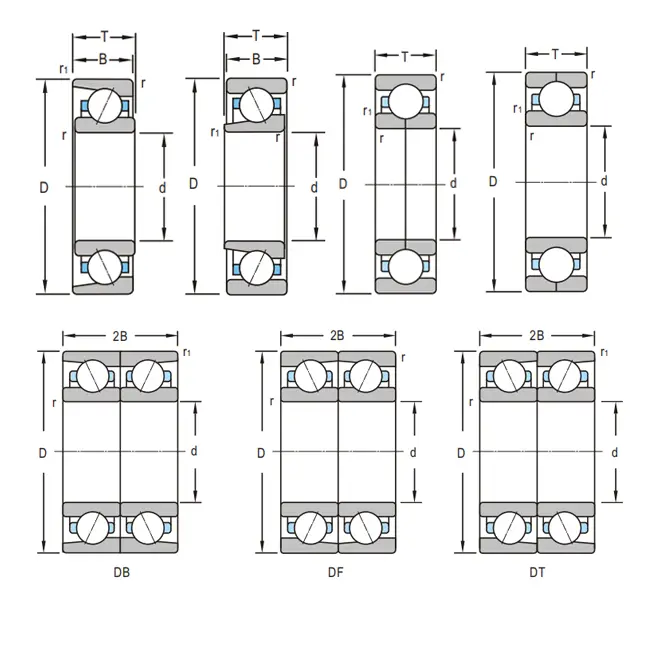
Angular contact ball bearings are precision-engineered parts that are made to handle both horizontal and axial loads at the same time. These special parts are not like regular ball bearings because they have an angular contact raceway design that lets them handle thrust forces while keeping their high rotating speeds. Applications requiring accurate motion control, such as wind turbine pitch systems, heavy machinery spindles, and mining equipment rotary mechanisms, benefit greatly from angular contact ball bearings' contact angles, which range from 15° to 40°.
Understanding Angular Contact Ball Bearings - Basic Concepts and Applications
Because their raceways are shaped differently, angular contact ball bearings are fundamentally different from other types of bearings. The angular contact design makes the best load distribution pattern, which greatly increases the ability to carry both radial and axial loads. This design makes it possible for the bearing to handle higher thrust loads than Deep groove ball bearings while still rotating very accurately.
Structural Components and Design Principles
The core structure is made up of an inner ring, an outer ring with an angular contact raceway, steel balls in a single row, and a precise cage system. What affects how well the bearing handles loads is the contact angle, which can be 15°, 25°, or 40°. Larger contact angles can hold more vertical load, which makes them perfect for situations where thrust forces are the most important factor.
The cage system is very important for keeping the balls apart and making sure everything runs smoothly. Metal cages made of brass work well in most situations, but cages made of an aerospace-grade aluminum metal are designed for high-speed situations where less mass and better heat transfer are important.
Industrial Applications Across Multiple Sectors
One of the toughest places for angular contact ball bearings to be used is on machine tool wheels. These parts have to keep their fine rotational accuracy while dealing with cutting forces that put both radial and axial loads on them. Because it can work at high speeds while keeping its shape, the bearing is an important part of modern industrial equipment.
These bearings are used in pitch control systems for wind energy, where fine blade angle adjustment is needed for the best power generation. The bearings have to be able to handle a lot of operation cycles while staying accurate in different types of wind and temperatures.
The bearing's ability to handle complex load combinations during gear engagement and power transfer processes is helpful for automotive transmissions. The small size makes it possible to fit into transmission housings with limited room, and it works reliably for a long time.
Types of Angular Contact Ball Bearings and Their Specifications
When procurement professionals know about the different configurations that are available, they can choose the best Solutions for each purpose. Choosing between single-row and double-row designs has a big effect on how well they work and how they need to be installed.
Single-Row Versus Double-Row Configurations
Single-row angular contact ball bearings can be mounted in a wide range of ways and can be paired in both back-to-back and face-to-face setups. Because it is so flexible, engineers can change the bearing setup to fit different load directions and stiffness needs. When the thrust is coming from different directions, back-to-back mounting gives you more rigidity, while face-to-face setups give you more moment load capacity.
Double-row designs combine two rows of bearings into a single unit. This makes the assembly simpler and more even, distributing the load evenly. When there isn't enough room for paired single-row bearings but the application still needs bidirectional thrust capacity, these designs are the best choice.
Material Selection and Performance Impact
Angular contact ball bearings work well because they are made of high-grade bearing steel, like GCr15 and GCr15SiMn metals. Specialized heat treatments are used on these materials to make them as hard and resistant to wear as possible. The steel's makeup makes sure that it works consistently under high-stress conditions and that its dimensions stay stable over long periods of service.
Ceramic hybrid choices combine silicon nitride balls with steel rings, which makes them lighter, more resistant to corrosion, and better at running at high speeds. These high-tech materials make bearings last longer in harsh environments and require less upkeep, but they cost more at first.
Precision Grades and Accuracy Standards
Precision grades go from the standard P0 to the very exact P4 classifications, with tighter tolerances offered by each grade. P6 and P5 grades are good for most industrial uses that need higher accuracy. P4 grades are good for high-precision machines like medical imaging systems and aircraft systems.
The accuracy requirements have a direct effect on operating characteristics such as noise levels, vibration levels, and the accuracy of rotation. Higher precise grades can have radial runout tolerances as small as 0.002mm, which is important for uses where even small changes can affect how well a system works.
Comparing Angular Contact Ball Bearings with Other Bearing Types
When buying something, people often compare angular contact ball bearings to other types of bearings to find the best combination of efficiency and cost-effectiveness. Knowing these differences helps you make a smart choice based on the needs of your program.
Performance Characteristics Analysis
Deep groove ball bearings work great when the load is only radial, but they have trouble with large axial forces. Angular contact ball bearings fill in this gap by offering equal radial and thrust load support in a small package. The contact angle design lets these bearings handle up to 60% of their circular capacity in axial loads, depending on the right contact angle.
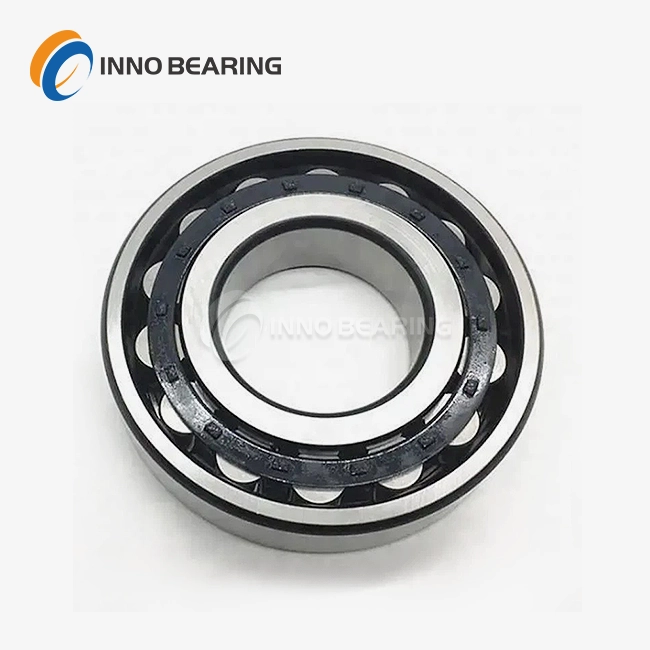
Cylindrical roller bearings can handle more rotational loads than other types, but they need separate Thrust bearings to handle axial loads. Angular contact ball bearings get rid of this problem because they handle both loads and are easier to put together, so they have fewer places where things could go wrong.
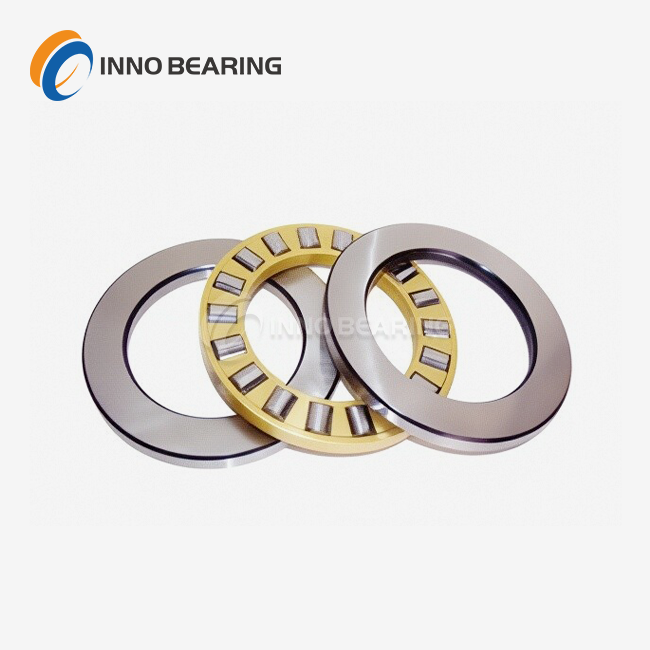
Thrust ball bearings are best used for horizontal loads and don't offer any radial support. Angular contact ball bearings do both of these things, which makes system design easier while still ensuring good performance in a wide range of operating conditions.
Speed and Stiffness Considerations
In angular contact ball bearings, the contact between the ball and the raceway causes less friction than in roller bearings, which lets them work at faster speeds. This benefit is especially important in high-speed uses that need to make as little heat as possible, like turbochargers and precision spindles.
With angular contact ball bearings, preload can be adjusted, system stiffness changes greatly between bearing types. With this feature, engineers can find the best stiffness for each application, combining the need for accuracy with the need for long-lasting bearings and smooth operation.
Sealing and Contamination Protection
There are different types of seals, from open designs that allow for the most speed to contact seals that protect against contamination better. In some situations, non-contact seals are the best option because they offer some safety while still keeping the low friction that is needed for high-speed operation.
The choice of seal has a direct effect on how often repair needs to be done and how reliably the system works. For the best performance, open bearings need external covering systems. Sealed bearings, on the other hand, make system design easier but limit the speed that can be reached.
Maintenance, Procurement, and Decision-Making Insights for Buyers
Maintenance plans that work well improve bearing performance while causing as few problems as possible. Long-term value from angular contact ball bearing investments is best achieved by knowing the right way to maintain them and what to look for when buying them.
Maintenance Best Practices
Proper lubrication is the most important maintenance factor that affects the life and efficiency of bearings. Grease lubrication works well in most industrial settings because it makes upkeep easier and keeps contamination from spreading. Oil lubrication lets things move faster and get rid of heat better, but it needs more complicated systems for covering and moving the oil around.
Monitoring systems that use sound analysis and temperature readings can spot problems before they become too big to fix. These predictive maintenance methods cut down on unplanned downtime and make sure that bearing replacements are done at the best times based on real condition instead of made-up schedules.
How bearings are stored and handled has a big effect on their performance and life. Corrosion and contamination can be avoided by storing things correctly in controlled settings and being careful when handling them so that precision surfaces don't get damaged, which could lead to early failure.
Application-Specific Selection Criteria
Load analysis is the first step in choosing the right bearings. It looks at the size and direction of forces that change over time. When you do dynamic load estimates, you have to take into account things like changing speeds, temperatures, and outside forces like shock or vibration loads.
Extreme temperatures, contamination, and corrosive conditions in the environment can change the choice of material and the closing requirements. To get a good service life, bearings that work in harsh settings might need special materials or protective treatments.
Speed standards determine what kind of material is used for the cage and how it is oiled. For high-speed applications, lightweight aluminum alloy cages and oil lubrication work best. For moderate-speed uses, standard brass cages with grease lubrication are better because they are easier to maintain.
Procurement Strategy Development
To qualify a supplier, you have to look at their manufacturing skills, quality processes, and technical support resources. Established manufacturers with full testing facilities and skilled application engineers are very helpful during the whole process of choosing and installing bearings.
Some things to think about in the supply chain are lead times for standard goods and custom solutions, strategies for managing inventory, and availability around the world. Keeping strategic amounts of inventory in stock balances the costs of carrying them against the chance that production will be interrupted by problems with bearing availability.
Cost optimization looks at more than just the initial purchase price. It also looks at the total cost of ownership, which includes things like bearing life, repair needs, and changes to how well the system works. Higher-precision bearings may be worth the extra cost because they last longer and require less upkeep.
Our Expertise and Solutions in Angular Contact Ball Bearings
INNO Bearing has been making precise angular contact ball bearings for tough industrial uses for almost 30 years. When we combine our deep knowledge of bearing technology with our advanced manufacturing skills, we can provide solutions that work better than expected and are a great value.
Advanced Manufacturing Capabilities
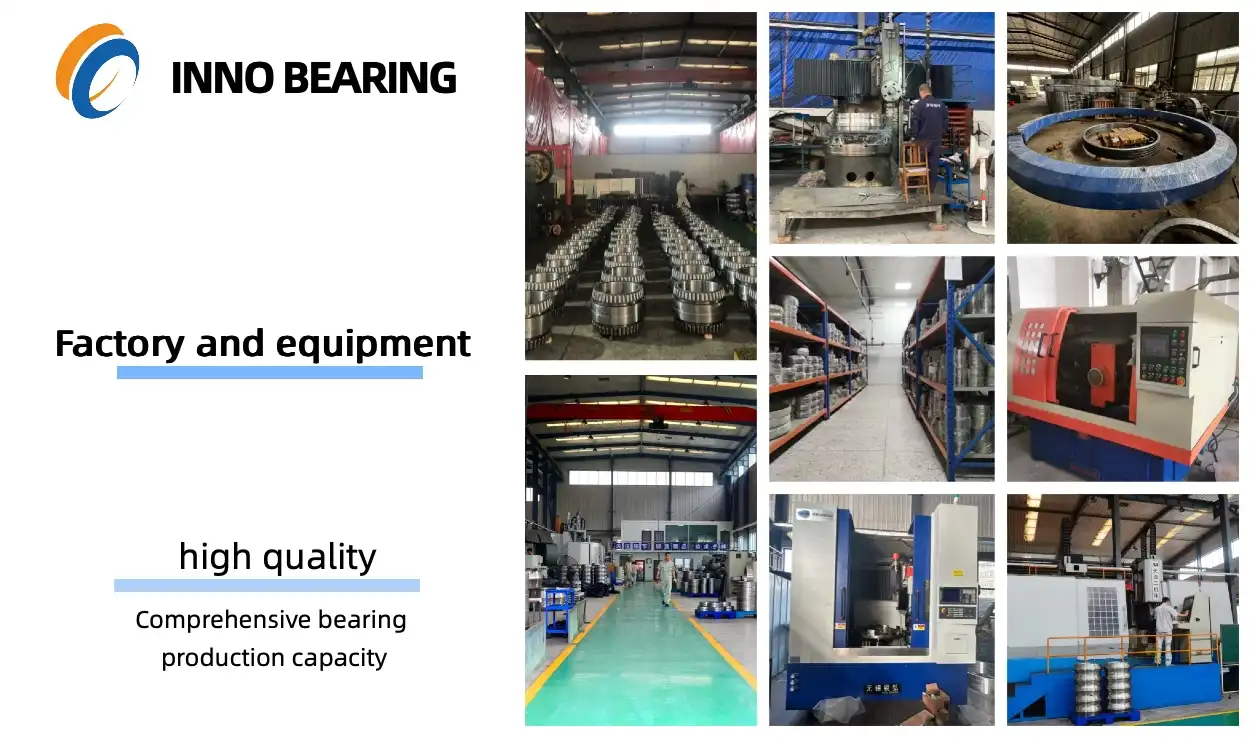
Our production facilities use cutting-edge machining tools that can regularly achieve P4-grade precision tolerances. The integrated quality control system checks every step of the production process, from making sure the raw materials are safe to making sure the end product works well. Spectrometer analysis makes sure that the material is pure and consistent, and precise measurement systems make sure that the dimensions are correct to within microns.
As the bearings are being made, they are heated in ways that are specifically designed to work best with each grade and use. These treatments get the best spread of hardness and patterns of residual stress that make the bearings last as long as possible while keeping their shape under operational loads.
Custom bearings can be made with diameters up to 5000 mm, which lets them meet the needs of specific applications that normal bearings can't. Together with our users, our engineering team creates optimized solutions that work better with current systems and offer better performance.
Quality Assurance and Testing
Comprehensive testing procedures confirm the performance of bearings in a number of areas, such as their ability to handle load, speed, noise, and vibration. Each bearing goes through strict checks to make sure that the contact angle is accurate within 1°, that the radial runout is less than 0.005mm, and that the noise level while it's going is less than 45dB for normal uses.
Accelerated life testing mimics longer-term operational situations to estimate service life and find possible failure modes. These tests give us useful information that we can use to make suggestions based on the program and improve the scheduling of maintenance.
Traceability systems keep track of every step of the production process for every bearing. This lets you quickly answer customer questions and help with quality investigations when needed. This paperwork is especially helpful for important tasks that need official records of success.
Technical Support and Customer Service
Our application engineering team offers full technical help from choosing the right bearings to installing them and running them. This knowledge is very helpful in complicated situations where choosing a basic bearing might not improve system performance.
Rapid prototyping speeds up the process of making and testing unique solutions, which lowers the time it takes for new applications to hit the market. Our engineering team uses advanced modeling tools to guess how bearings will work and make designs better before they are made.
Global transportation support makes sure that deliveries happen on time, no matter where the customer is located. Our distribution network keeps smart stock levels that let us respond quickly to urgent needs while still shipping regular orders at a low cost.
Conclusion
Angular contact ball bearings are important parts for many industrial processes that need to support both horizontal and axial loads. Because of the way they were designed, they work better in harsh conditions, like wind turbines and fine machine tools. Procurement professionals can make choices that improve performance and cut costs by learning about the different types, their specifications, and how they can be used. The right way to choose, install, and maintain these precision parts will make sure they work well for a long time and support important industrial processes.
FAQ
What factors determine the load capacity of angular contact ball bearings?
Load capacity depends on multiple factors including contact angle, bearing size, material properties, and operational speed. The contact angle significantly influences the ratio between radial and axial load capacity, with larger angles providing greater thrust load capability. Bearing size directly correlates with load capacity, as larger bearings accommodate more and larger balls. Material selection affects both static and dynamic load ratings, with high-grade bearing steels providing optimal performance under most conditions.
Are angular contact ball bearings suitable for high-speed applications?
Angular contact ball bearings excel in high-speed applications due to their low friction characteristics and optimized contact geometry. The ball-to-raceway contact generates minimal heat compared to roller bearings, enabling operation at speeds exceeding 1 million DN values when properly lubricated and mounted. Cage material selection becomes critical for high-speed operation, with aerospace-grade aluminum alloy cages providing superior performance compared to conventional brass designs.
How do I choose between single-row and double-row angular contact ball bearings?
Single-row bearings offer maximum flexibility in mounting arrangements and enable customized preload settings when used in pairs. They suit applications requiring specific load distribution or where space permits paired mounting. Double-row bearings provide integrated bi-directional thrust capability in a compact envelope, simplifying installation while reducing assembly complexity. The choice depends on space constraints, load requirements, and desired mounting flexibility.
What maintenance practices extend bearing life?
Proper lubrication represents the most critical factor affecting bearing life, requiring selection of appropriate lubricant type and relubrication intervals based on operating conditions. Regular monitoring through vibration analysis and temperature measurement enables predictive maintenance strategies that prevent catastrophic failures. Contamination control through effective sealing and clean operating environments significantly extends bearing life by preventing abrasive wear and corrosion.
Partner with INNO Bearing for Premium Angular Contact Ball Bearings
INNO Bearing stands ready to support your bearing requirements with comprehensive angular contact ball bearings solutions backed by nearly 30 years of manufacturing excellence. Our experienced engineering team provides application-specific recommendations while our advanced production capabilities ensure consistent quality and reliable delivery schedules. Whether you need standard configurations or custom solutions for unique applications, we deliver precision bearings that exceed performance expectations. Contact our technical specialists at sales@inno-bearing.com to discuss your specific requirements and discover how our angular contact ball bearings manufacturer expertise can optimize your equipment performance.
References
Harris, T.A., and Kotzalas, M.N. "Essential Concepts of Bearing Technology: Angular Contact Ball Bearing Design and Applications." Rolling Bearing Analysis Institute, 2019.
ISO 492:2014. "Rolling bearings - Radial bearings - Dimensional and geometrical product specifications and tolerance values for angular contact ball bearings." International Organization for Standardization.
Palmgren, A. "Ball and Roller Bearing Engineering: Advanced Applications in High-Speed Machinery." SKF Industries Technical Publication, 2018.
ANSI/ABMA Standard 20-1996. "Radial Ball Bearings (Except Insert Bearings) - Metric Design." American Bearing Manufacturers Association.
Eschmann, P., Hasbargen, L., and Weigand, K. "Die Wälzlagerpraxis: Handbuch für die Berechnung und Gestaltung von Lagerungen." R. Oldenbourg Verlag, 2017.
NSK Technical Report. "Angular Contact Ball Bearings for Machine Tool Spindles: Performance Optimization and Application Guidelines." NSK Ltd. Bearing Technology Center, 2020.

Learn about our latest products and discounts through SMS or email