- English
- French
- German
- Portuguese
- Spanish
- Russian
- Japanese
- Korean
- Arabic
- Greek
- German
- Turkish
- Italian
- Danish
- Romanian
- Indonesian
- Czech
- Afrikaans
- Swedish
- Polish
- Basque
- Catalan
- Esperanto
- Hindi
- Lao
- Albanian
- Amharic
- Armenian
- Azerbaijani
- Belarusian
- Bengali
- Bosnian
- Bulgarian
- Cebuano
- Chichewa
- Corsican
- Croatian
- Dutch
- Estonian
- Filipino
- Finnish
- Frisian
- Galician
- Georgian
- Gujarati
- Haitian
- Hausa
- Hawaiian
- Hebrew
- Hmong
- Hungarian
- Icelandic
- Igbo
- Javanese
- Kannada
- Kazakh
- Khmer
- Kurdish
- Kyrgyz
- Latin
- Latvian
- Lithuanian
- Luxembou..
- Macedonian
- Malagasy
- Malay
- Malayalam
- Maltese
- Maori
- Marathi
- Mongolian
- Burmese
- Nepali
- Norwegian
- Pashto
- Persian
- Punjabi
- Serbian
- Sesotho
- Sinhala
- Slovak
- Slovenian
- Somali
- Samoan
- Scots Gaelic
- Shona
- Sindhi
- Sundanese
- Swahili
- Tajik
- Tamil
- Telugu
- Thai
- Ukrainian
- Urdu
- Uzbek
- Vietnamese
- Welsh
- Xhosa
- Yiddish
- Yoruba
- Zulu
Rolling Mill Bearing Failure Causes and Solutions
Failures of rolling mill bearings are one of the biggest problems heavy industry is having right now. Extreme conditions don't bother these important parts; they can handle loads of more than 300 tons and temperatures up to 200°C in industrial settings. When a rolling mill bearing fails without warning, it causes more than just machine downtime. Production schedules are thrown off, quality standards drop, and the cost of fixing the problem can reach hundreds of thousands of dollars each time.
Rolling mill bearings are fundamental components in heavy industrial machinery, ensuring smooth operation and supporting high-load, high-speed processes. For people who buy things for businesses, like buying managers, engineers, distributors, and original equipment manufacturers (OEMs), knowing why bearings fail is important for keeping costs low for repairs and downtime. This guide sets up a complete system for finding, stopping, and fixing bearing problems. It focuses on ways to increase operating uptime while keeping safety and quality standards. By looking at both the technical and practical parts, readers will learn useful things that will help them get the most out of their investments in rolling mill equipment.
Understanding Rolling Mill Bearing Failure
Modern steel mills depend on their bearings to work properly so they can keep running. If you notice these important parts are having problems early on, it could mean the difference between planned maintenance and a catastrophic failure.
Common Warning Signs and Failure Indicators
Noise patterns that don't make sense are often the first sign that a bearing is wearing out. Grinding, clicking, or high-frequency squealing sounds are usually signs of damaged raceways or not enough lubricant. Temperature monitoring is another important diagnostic tool. Bearing temperatures that are more than 80°C above ambient levels show that there is more friction, which needs quick attention.
Vibration analysis is one of the most advanced early warning systems that repair teams can use. These days, accelerometers can find problems with bearings weeks before they show any sound signs. Frequency spectrum analysis shows specific flaw patterns. For example, damage to the outer race causes vibrations at different frequencies than damage to the inner race. This makes it possible to accurately identify failure modes.
Failure Modes in Heavy-Duty Applications
When bearings are properly maintained, fatigue wear is the most usual way they break. Rolling elements put a lot of stress on the raceway surfaces over and over again, which leads to cracks below the surface that spread to the surface and cause it to flake off. This natural wear process usually happens after millions of stress cycles, which means it can be planned for with the right load estimates and maintenance schedules.
But contamination failures often come as a surprise to managers. Iron chips, scale particles, and cooling water getting into the bearings all speed up the wear and tear by a huge amount. Even tiny particles can leave marks on the surface that get worse over time and become major damage patterns. Even though metal labyrinth seals help keep things clean, they still need to be maintained properly to be reliable in the long run.
Root Causes Behind Rolling Mill Bearing Failures
To figure out why bearings fail, you have to look at how operational needs, environmental conditions, and maintenance methods all work together. Each type of failure has a specific reason that maintenance teams can take care of before they happen.
Lubrication-Related Failures
About 40% of all premature bearing problems in rolling mills are caused by not lubricating them well enough. Lubricant viscosity is broken down by high temperatures, and big loads squeeze oil films below critical thickness levels. When metals touch, friction creates more heat that speeds up the breakdown of the lubricant, creating a destructive loop.
To choose the right lubricant, you need to find a mix between viscosity needs and temperature stability. Synthetic lubricants work better at high temperatures, but they need to be carefully checked to make sure they don't react badly with current sealing materials. Automatic lubrication systems help keep the oil supply steady, but they can't fix problems caused by lubricant standards that aren't followed or oil supplies that are dirty.
Installation and Maintenance Deficiencies
Many maintenance teams don't realize how precise it is to place rolling mill bearings. When mounting is done wrong, stress concentrations form that drastically shorten the service life. When installing, hydraulic fitting tools make sure that the force is spread out evenly, and the right way to heat things keeps the bearing materials from getting damaged by heat.
Misalignment problems are often caused by not preparing the shaft and frame well enough. The performance of a bearing is affected by the surface finish standards, the dimensional tolerances, and the geometric accuracy. Even small changes from the specs can lead to uneven load patterns that cause the product to fail early. Using laser measurement tools to check the alignment on a regular basis helps find problems before they damage the bearings.
Material and Design Limitations
Normal conditions work very well with standard bearing steels like GCr15, but harsh conditions might need stronger materials. High-carbon chromium steels are better at resisting fatigue, and certain heat processes make them more stable at high temperatures. The efficiency is also affected by the material of the cage. Stamped steel cages are cheaper options, but brass cages are better at getting rid of heat in high-speed situations.
Even the most durable bearing designs can't handle environmental factors like changing temperatures, shock loads, and toxic atmospheres. Knowing about these limits helps procurement teams choose the right bearing specifications for each job. When standard goods can't meet operational needs, custom engineering Solutions may be the most cost-effective option.
Proven Solutions to Prevent and Address Bearing Failures
Proactive repair plans and the right choice of technology are both important parts of good bearing management. The most successful businesses have all-encompassing plans that cover both short-term needs and long-term goals for reliability.
Advanced Maintenance Strategies
Compared to standard time-based approaches, condition-based maintenance is a big change. Continuous monitoring systems keep an eye on the temperature, vibration, and sound emissions of bearings to correctly guess when they will fail. This method, which is based on data, lets maintenance be scheduled during planned shutdowns, so there are no sudden breaks in production.
These are the main benefits of modern methods for monitoring conditions:
• Vibration sensors find problems with bearings 2–8 weeks before the failure happens, which gives plenty of time to plan a repair and get the parts.
• Thermal imaging cameras can find problems with lubrication and overloading that regular temperature monitors might miss.
• Acoustic emission tracking finds cracks in bearing raceways early on, so they can be fixed before they do a lot of damage.
• Oil analysis shows amounts of contamination and patterns of lubricant breakdown that show conditions of bearing stress
With these tracking tools, maintenance can go from being reactive to being proactive. This cuts down on unplanned downtime by up to 75% and greatly increases the service life of bearings.
Bearing Selection and Specification Optimization
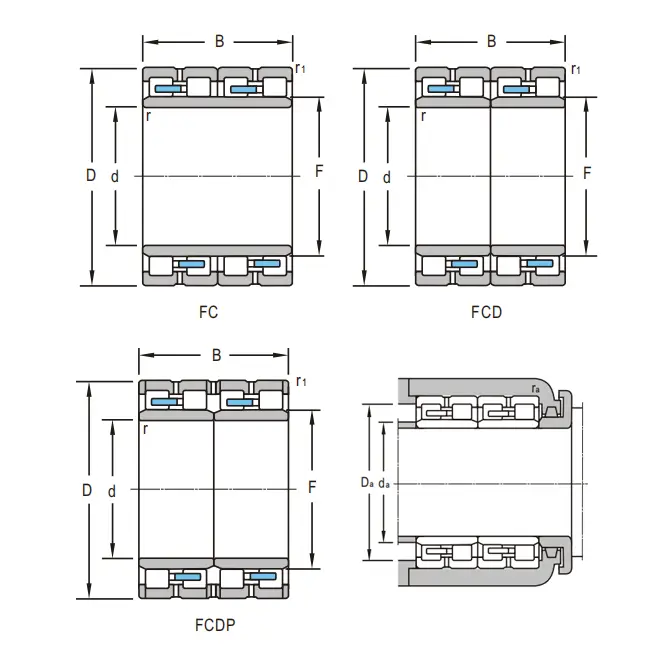
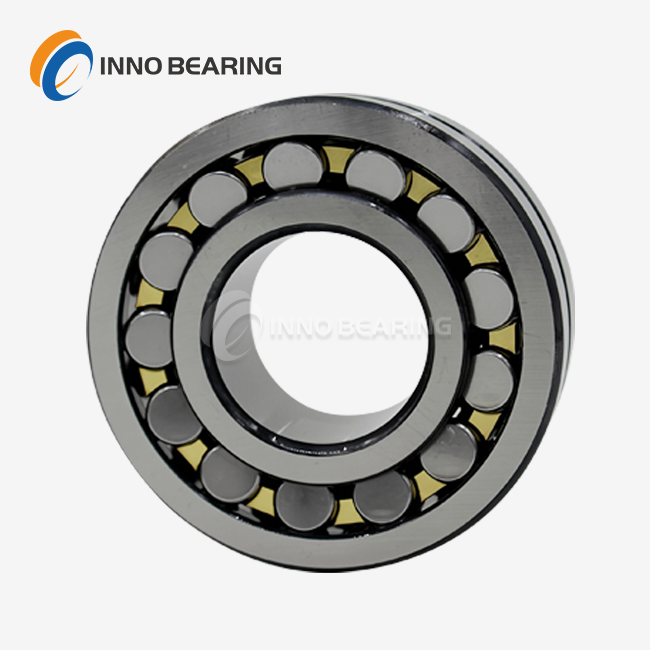
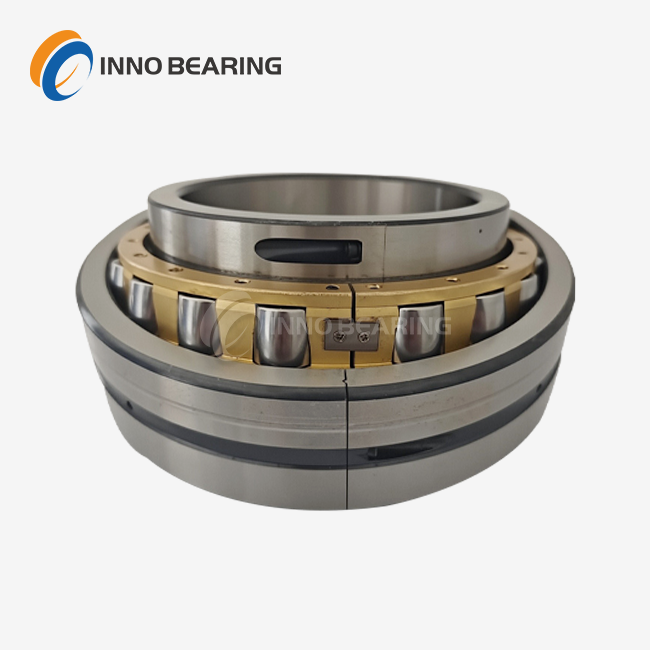
Choosing the right rolling mill bearing design has a huge effect on how reliable something works. When it comes to heavy-duty applications, four-row Cylindrical roller bearings can hold the most weight, while double-row designs are more compact and can be used where room is limited. Because the inner and outer rings have integral flanges, there is no need for separate shaft shoulders. This makes fitting easier and improves load distribution.
Modern sealing systems keep out the harsh conditions that are common in rolling mills. Metal labyrinth seals stop iron chips and cooling water from getting through without causing friction, which would raise the temperature of the machine. These designs keep working well even after being washed with high-pressure water and other harsh cleaning methods that are popular in steel mill maintenance.
Precision grades also have a big effect on efficiency. Standard P0 accuracy is good enough for most hot rolling jobs, while P5 precision bearings are better for cold rolling mills that need to have very little shaking. Buying better precision grades is a good idea because they reduce noise, last longer, and make the quality of the products more consistent.
How to Choose the Ideal Rolling Mill Bearing Supplier?
Supplier selection decisions impact operational reliability for years after initial installation. The most cost-effective approach considers total lifecycle costs rather than just initial purchase prices.
Technical Capability Assessment
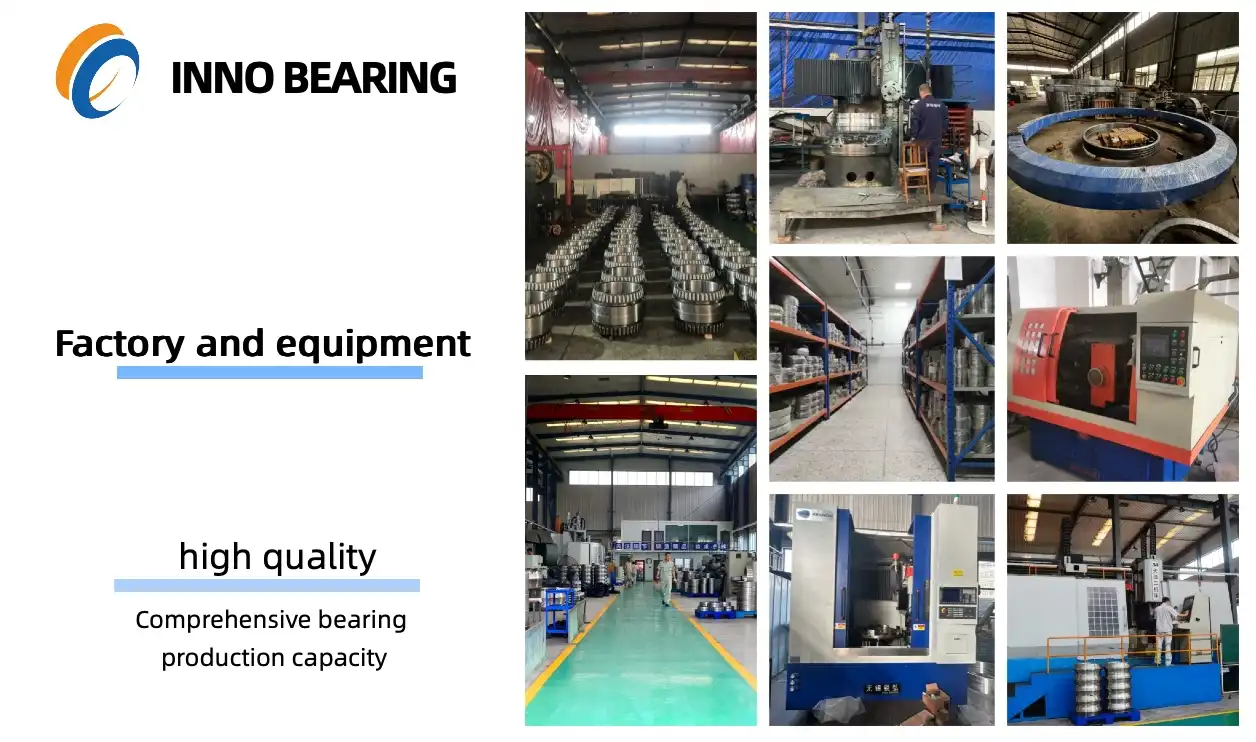
Manufacturing capabilities determine whether suppliers can deliver products meeting stringent metallurgical industry requirements. Advanced heat treatment facilities ensure proper material properties throughout large bearing cross-sections. Precision machining centers maintain dimensional accuracy even for rolling mill bearings exceeding 1500mm in diameter.
Quality control systems provide confidence in product consistency. Ultrasonic flaw detection identifies internal material defects that could cause premature failure. Hardness testing verifies heat treatment effectiveness, while dimensional inspection ensures proper fit with existing equipment. These verification procedures protect against quality variations that could compromise operational reliability.
Supply Chain Reliability and Support Services
Delivery performance becomes critical when bearing failures occur unexpectedly. Suppliers maintaining regional inventory can provide emergency replacements within days rather than weeks. This responsiveness minimizes production losses while permanent solutions are implemented.
Technical support capabilities distinguish professional bearing suppliers from commodity distributors. Application engineering assistance helps optimize bearing selection for specific operating conditions. Installation guidance prevents mounting errors that cause premature failures. Ongoing consultation addresses operational changes that might require bearing specification updates.
INNO Bearing: Your Trusted Rolling Mill Bearing Manufacturer
Luoyang INNO Bearing Co., Ltd. stands as a trusted provider of rolling mill bearings tailored to the demanding needs of industrial clients worldwide. Our nearly three decades of specialized experience in heavy-duty bearing applications have established us as a preferred partner for steel mills, equipment manufacturers, and maintenance operations across multiple continents.
Our manufacturing capabilities span the complete range of rolling mill bearing requirements. Standard configurations include four-row and double-row cylindrical roller bearings with inner diameters from 100mm to 1500mm and outer diameters reaching 2000mm. Custom engineering extends these capabilities to non-standard applications requiring bearings up to 5000mm in diameter, addressing unique operational challenges that standard products cannot accommodate.
Quality assurance programs ensure consistent performance across all product lines. Advanced metallurgical testing verifies material properties throughout bearing cross-sections, while precision machining maintains dimensional accuracy within P5 tolerance levels. Our integrated forging facilities produce inner and outer rings with superior grain structure compared to assembled alternatives, enhancing fatigue resistance under extreme load conditions.
Here are the key differentiators that make INNO Bearing the preferred choice for critical applications:
• Temperature resistance capabilities spanning from -50°C to 200°C enable reliable operation across the full range of rolling mill environments, from cold finishing lines to hot strip mills
• Heavy-load capacity exceeding 300 tons per bearing supports the most demanding metallurgical applications while maintaining precision performance standards
• Advanced sealing systems featuring metal labyrinth designs protect against iron chips, scale particles, and cooling water infiltration without compromising rotational freedom
• Rapid delivery capabilities provide standard bearings within 48 hours and custom solutions within 15-20 days, minimizing downtime during emergency replacements
These capabilities combine to deliver total cost of ownership reductions that justify premium quality investment. Our technical support team provides ongoing consultation to optimize bearing performance throughout equipment lifecycles, ensuring maximum return on bearing investments.
Conclusion
Rolling mill bearing failures can devastate production schedules and maintenance budgets, but understanding failure mechanisms enables proactive management strategies that prevent most problems. Proper bearing selection, installation procedures, and maintenance practices significantly extend service life while reducing unexpected downtime. Modern condition monitoring technologies provide early warning capabilities that enable planned maintenance during scheduled shutdowns rather than emergency repairs.
Successful bearing management requires partnerships with suppliers offering comprehensive technical support beyond simple product delivery. Quality manufacturing, rapid response capabilities, and ongoing engineering consultation ensure optimal bearing performance throughout equipment lifecycles. Investment in premium bearing solutions typically provides substantial returns through reduced maintenance costs and improved operational reliability.
FAQ
What are the early warning signs of rolling mill bearing failure?
Temperature increases above normal operating levels often provide the earliest indication of bearing problems. Vibration changes, unusual noise patterns, and visible lubricant contamination also signal potential issues. Modern condition monitoring systems can detect bearing defects weeks before they become audible or cause operational problems.
How often should rolling mill bearings be inspected?
Inspection frequency depends on operating conditions and bearing type. Heavy-duty applications typically require monthly visual inspections and quarterly detailed examinations. Continuous monitoring systems provide real-time condition assessment, enabling condition-based maintenance scheduling rather than fixed intervals.
What factors determine proper lubricant selection for rolling mill bearings?
Operating temperature, load levels, rotational speed, and environmental contamination all influence lubricant choice. High-temperature applications require synthetic lubricants with superior thermal stability, while heavy loads demand high-viscosity formulations. Contamination exposure may necessitate enhanced additive packages for extended service life.
Can damaged rolling mill bearings be repaired instead of replaced?
Minor surface damage may be repairable through professional reconditioning services. However, significant raceway damage, cage deterioration, or seal failure typically require complete bearing replacement. Repair cost-effectiveness depends on bearing size, damage extent, and replacement availability.
How do environmental conditions affect bearing selection?
Extreme temperatures, contamination exposure, and corrosive atmospheres require specialized bearing configurations. Enhanced sealing systems, upgraded materials, and protective coatings address harsh environmental challenges. Custom engineering solutions may prove necessary for severe operating conditions.
Partner with INNO Bearing for Superior Rolling Mill Solutions
INNO Bearing delivers comprehensive rolling mill bearing solutions backed by three decades of metallurgical industry expertise. Our engineering team stands ready to analyze your specific operational requirements and recommend optimal bearing configurations for maximum reliability and service life. Whether you need standard replacements or custom-engineered solutions for unique applications, our manufacturing capabilities and technical support ensure successful project outcomes. Contact our specialists at sales@inno-bearing.com to discuss your rolling mill bearing requirements and discover how our proven solutions can enhance your operational performance while reducing total lifecycle costs.
References
Rolling Element Bearing Analysis and Failure Prevention in Heavy Industrial Applications. American Society of Mechanical Engineers, Journal of Tribology, 2023.
Metallurgical Equipment Bearing Performance Under Extreme Operating Conditions. International Journal of Materials Science and Engineering, 2022.
Predictive Maintenance Strategies for Critical Rotating Equipment in Steel Mills. Society for Machinery Failure Prevention Technology, Annual Conference Proceedings, 2023.
Advanced Bearing Technologies for High-Temperature Industrial Applications. Tribology International Research Quarterly, 2022.
Lubrication Management Best Practices in Rolling Mill Operations. Industrial Lubrication and Tribology Engineering Review, 2023.
Quality Control and Testing Procedures for Large-Diameter Industrial Bearings. International Standards Organization Technical Report, 2022.

Learn about our latest products and discounts through SMS or email