- English
- French
- German
- Portuguese
- Spanish
- Russian
- Japanese
- Korean
- Arabic
- Greek
- German
- Turkish
- Italian
- Danish
- Romanian
- Indonesian
- Czech
- Afrikaans
- Swedish
- Polish
- Basque
- Catalan
- Esperanto
- Hindi
- Lao
- Albanian
- Amharic
- Armenian
- Azerbaijani
- Belarusian
- Bengali
- Bosnian
- Bulgarian
- Cebuano
- Chichewa
- Corsican
- Croatian
- Dutch
- Estonian
- Filipino
- Finnish
- Frisian
- Galician
- Georgian
- Gujarati
- Haitian
- Hausa
- Hawaiian
- Hebrew
- Hmong
- Hungarian
- Icelandic
- Igbo
- Javanese
- Kannada
- Kazakh
- Khmer
- Kurdish
- Kyrgyz
- Latin
- Latvian
- Lithuanian
- Luxembou..
- Macedonian
- Malagasy
- Malay
- Malayalam
- Maltese
- Maori
- Marathi
- Mongolian
- Burmese
- Nepali
- Norwegian
- Pashto
- Persian
- Punjabi
- Serbian
- Sesotho
- Sinhala
- Slovak
- Slovenian
- Somali
- Samoan
- Scots Gaelic
- Shona
- Sindhi
- Sundanese
- Swahili
- Tajik
- Tamil
- Telugu
- Thai
- Ukrainian
- Urdu
- Uzbek
- Vietnamese
- Welsh
- Xhosa
- Yiddish
- Yoruba
- Zulu
Spindle Bearing Preload: Why It Matters?
Spindle bearing preload is an important engineering parameter that determines how well spinning gear works in many industrial settings. When used correctly, preload gets rid of the internal space in spindle bearings, which makes the system much more rigid and improves positioning accuracy. This managed axial force makes sure that the rolling elements and raceways make good touch with each other. This lowers vibration and increases service life. In tough places like CNC machining centers, wind turbine parts, and big industrial equipment, the accuracy gained by using the right amount of preload has a direct effect on the quality of the products made, the dependability of the equipment, and the costs of running them.
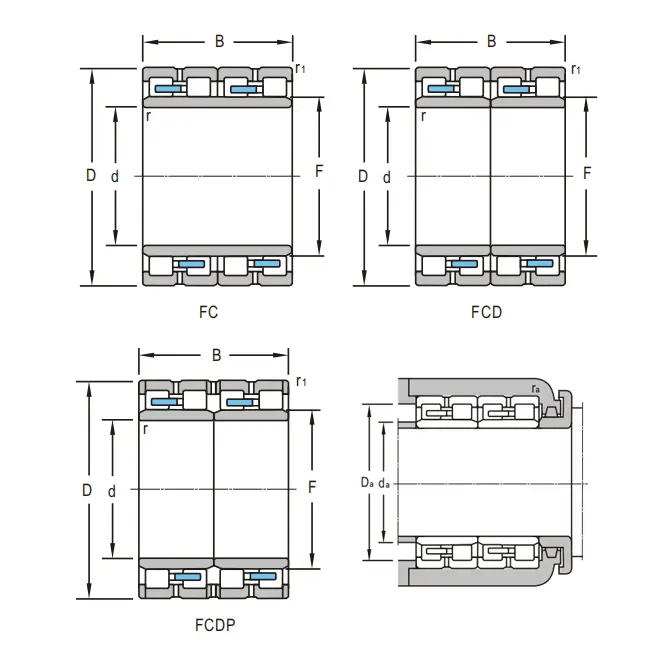
Understanding Spindle Bearing Preload
By controlling axial loads, spindle bearing preload completely changes how bearings react to operating forces by getting rid of internal clearance. This engineering principle sets the ideal load distribution patterns that improve the overall system performance. It does this by creating a fixed contact angle between the rolling elements and the raceways.
The Science Behind Preload Mechanics
The preload system applies a certain axial force that keeps all the bearing parts in touch with each other while the machine is running. This method is very helpful for angular contact bearings, which are often used in high-precision applications because it gets rid of play and lowers displacement when the load changes. When the pressure is managed, a spring-like effect is created that absorbs outside forces while keeping the positional accuracy.
This controlled stress has different effects on different kinds of bearings. Double-row designs spread preload forces across many contact points, making them more stiff for heavy-duty uses. Single-row setups with inner rings that can be separated allow for precise adjustments during installation, which makes them perfect for uses that need very tight positioning margins.
Impact on Bearing Performance Parameters
Important performance measures, such as stiffness, vibration, and temperature behavior, are directly affected by preload. Higher setup numbers make the system more rigid, but they also make it hotter, so they need to be carefully balanced based on the needs of the application. There are expected patterns in the link between preload and efficiency that experienced engineers use to get the most out of machine tool spindle processes.
Keeping an eye on the temperature becomes very important as the charge raises the internal friction. Modern bearings are made with high-tech materials like GCr15SiMn steel and mixed ceramic parts that can handle high temperatures and keep their shape. These new materials make it possible to keep working at higher preload levels for longer periods of time without affecting durability.
Application-Specific Preload Considerations
Based on operational needs, different business uses need different preload methods. Moderate preload that balances stiffness with thermal concerns is good for high-speed machining centers. On the other hand, bigger preload values may be needed for heavy grinding uses to keep accuracy when cutting with a lot of force.
Large-diameter spindle bearings in yaw and pitch systems must be able to handle both precise placement and harsh environmental conditions in wind energy uses. When these apps' preload approach is used, it takes into account long-term stability and easy maintenance access in remote installs.
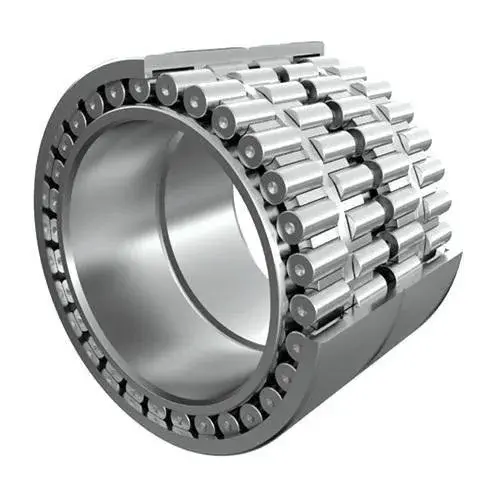
Common Issues Caused by Incorrect Spindle Bearing Preload
Bad preload management sets off a chain of practical issues that hurt the performance of equipment and raise the cost of repair. Knowing these types of failure allows for proactive repair plans and smart choices about what to buy.
Symptoms of Inadequate Preload
If there isn't enough preload, there will be more shaking, mistakes in placement, and faster wear patterns. When machines are running, especially when the direction or load changes, workers often notice noises that aren't normal. The wrong preload causes tiny moves between bearing parts, which creates worn debris that gets into lubrication systems and makes them less effective.
When preparation is not enough, temperature tracking shows heating patterns that are not regular. When loads change, bearing temperatures change more rapidly, which means that the contact conditions are not stable. These changes in temperature put stress on materials that hold weight and shorten their wear life by a lot.
Consequences of Excessive Preload
Over-preloading also causes major problems, such as high running temperatures, more power use, and lubrication breakdown before it should. When internal forces are too high, they speed up the rate of wear and, in the worst cases, can cause bearing seizure. The extra friction makes heat, which changes the qualities of the grease and makes it less stable in terms of its dimensions.
When manufacturing equipment has over-preloaded bearings, it usually becomes less productive because it needs more power and needs to be serviced more often. The effects on the economy go beyond the direct costs of running the business. They also include the costs of production delays and new parts.
Real-World Case Examples
A big factory that makes cars kept having problems with their machining centers' spindles until they started using the right setup methods. The study showed that uneven fitting methods caused variable preload conditions, which meant that bearings had to be replaced every six months instead of after two years as planned.
In the same way, a company that makes wind turbines found that pitch control bearings with too little preload led to positioning mistakes that cut energy gathering efficiency by 8%. By using standard preload methods across all of their assembly processes, they were able to get back to expected performance levels and increase the time between bearing service intervals.
Best Practices and Maintenance Tips for Spindle Bearing Preload
Setting up organized ways to measure and change preload makes sure that spindle bearings work the same way every time and increases the durability of equipment. Professional upkeep uses accurate measuring tools along with standard processes that take into account the needs of each application.
Measurement Techniques and Tools
To get an accurate reading of the preload, you need trained staff and special tools. Hydraulic preload nuts allow for accurate force application and measurement, and strain gauges allow for real-time tracking during the adjustment process. Digital torque wrenches that are set for specific bearing installs make sure that the preload values are always the same.
When measuring preload on working equipment, temperature adjustment is very important. Bearing sizes and perceived preload values are changed by thermal expansion, so correction factors based on working temperatures are needed. These calculations are done instantly by modern measurement systems, which makes them more accurate and less prone to mistakes.
Lubrication Management Strategies
Choosing the right lubricant has a direct effect on how well the preload works and how long the bearing lasts. High-performance greases made for preloaded bearings stay consistent even when the internal stresses go up, and they protect well enough against wear. Synthetic oils are better at withstanding high temperatures, which is important for uses that work under a lot of preload.
Depending on the preload and the working conditions, lubrication times need to be changed. Higher preload uses usually need to be oiled more often because there is more internal friction and heat production. Automatic lubrication systems assure a steady flow of grease while lowering the amount of work that needs to be done for upkeep.
Preventive Maintenance Protocols
Through signature recognition patterns, vibration analysis can quickly detect problems with preload. Having set standard measurements in place makes it possible to notice changes that point to problems before they become catastrophic. The frequency and intensity of regular tracking should match how important the equipment is and how it is used.
Temperature tracking finds small changes in the state of the bearings that could mean the preload is breaking down. Infrared tracking systems let you measure things without touching them while they're working normally. This gives you useful information for planning repair. When shaking and temperature data are put together, they make full reports of the health of spindle bearings that help with planned maintenance.
Selecting the Right Spindle Bearings with Optimal Preload in Mind
The choice of bearing has a big effect on how well the preload is implemented and how well it works in the long run. Knowing how bearing design features relate to preload needs helps you make smart purchasing choices that improve the dependability and cost-effectiveness of equipment.
Material Considerations and Performance Characteristics
When it comes to preload powers and application fit, advanced bearing materials have a direct effect. Standard uses can be very durable with GCr15 steel, while extreme situations can be better handled with GCr15SiMn. Hybrid ceramic-steel bearings work very well in high-speed situations where less friction and better heat qualities are worth the extra cost.
Choosing between single-row and double-row designs changes how the preload is distributed and how stiff the system is. Double-row bearings are more stable by nature, but they need to be adjusted in a more complicated way. Single-row setups with inner rings that can be separated make installation more flexible and make upkeep easier, which is especially helpful in custom applications.
Precision Grade Requirements
The accuracy of the bearing is directly related to how well the preload works and the performance levels that can be reached. Class P4 bearings offer normal high precision performance that works well for most industrial applications. Class P2 ultra-precision bearings, on the other hand, provide the highest level of accuracy for critical applications like grinding wheels and precision measuring tools.
For preloaded uses, the required measurement tolerances are higher than those for normal bearings. Under loading conditions, radial runout limits of 0.002mm or better are needed to keep the accuracy. These standards for precision affect the cost of bearings but have big benefits in situations where placing accuracy has a direct effect on product quality.
Custom Solutions and Engineering Support
Custom bearing Solutions that meet specific preload standards and operational limits are often needed for complex uses. INNO Bearing specializes in making custom solutions for tough tasks, such as big industrial equipment with large diameter bearings up to φ5000mm.
Having engineering help during the decision process makes sure that the best spindle bearings are chosen and that the right steps are taken to put them in place. Collaborative design review methods find possible problems early on and come up with ideas that meet performance needs while staying within budget. This all-around method lowers the risks of execution and speeds up project timelines.
Technological Advances and Future Trends in Spindle Bearing Preload
As bearing technology keeps getting better, preload accuracy and tracking tools keep getting better, too. This lets us use more advanced methods for managing bearings and planning repair ahead of time. These changes open up big chances to make operations more efficient and cut down on lifetime costs.
Digital Monitoring and Smart Bearing Technologies
Integrated sensor technology changes the way bearings can be monitored by giving real-time information on temperature, vibration, and loading conditions. Smart bearings with wireless transmission make tracking possible all the time without adding to the difficulty of installation. This technology is especially helpful for remote sites that are hard to watch by hand or cost a lot of money.
Machine learning systems look at data about how well bearings work to guess when the best time is to make preload changes and do maintenance. These systems learn from how things are usually done and suggest changes that stop problems before they affect production. The addition of artificial intelligence to tracking bearings is a big step forward in the ability to do forecast maintenance.
Advanced Materials and Manufacturing Techniques
Ceramic rolling elements added to hybrid bearing designs make them work better when the pressure is high. Because there is less friction and heat creation, higher preload values can be used without too much heat buildup. This makes it possible to use the system in more demanding settings. Advanced surface processes improve function even more and make things last longer.
Precision production methods get closer tolerances, which make the preload more consistent and the fitting less variable. Computer-controlled grinding and building processes make sure that the dimensions are correct, which allows for accurate preload application. These improvements in production directly lead to better performance in the field and less need for upkeep.
Industry 4.0 Integration and Automation
When machinery systems are connected, the charge can be changed automatically based on the conditions of operation and the performance needs. Adaptive control systems change the setup settings when the loads or speeds change. This improves performance while reducing wear. This technology lowers the level of skill needed by operators while making all tools more consistent.
Data integration platforms mix information about how well bearings are working with measurements of how well equipment is working overall. This gives a full picture of how efficiently production is going. These systems let you make choices based on data about when to do maintenance, when to upgrade equipment, and how to improve business efficiency in a way that makes you more competitive.
Conclusion
Managing the preload on the spindle bearings correctly is an important part of keeping industrial equipment running smoothly. It has a direct effect on productivity, repair costs, and product quality in a wide range of settings. Systematic methods to implementing and monitoring preload clearly show that they give substantial returns through longer bearing life, higher accuracy, and less downtime. Modern improvements in materials, tracking systems, and predictive maintenance tools make it possible to improve bearing performance while lowering operating risks in ways that have never been possible before. When businesses invest in good preload management practices, they set themselves up for long-term competitive benefits through more reliable tools and more efficient operations.
FAQ
What is the optimal frequency for checking spindle bearing preload?
Verification of the preload should happen at regular repair times, which are usually every three to six months for normal uses and more often for high-speed or heavy-duty uses. Vibration analysis and temperature measurements may need to be done once a month on critical uses to find small changes before they affect performance.
Can excessive preload damage bearings permanently?
Because it increases friction, raises temps, and speeds up wear patterns, over-preloading does damage that can't be fixed. When forces are too high, they can damage rolling elements and raceways, which can lead to lasting loss of accuracy and shorter service life. When over-preload situations are found, they must be fixed right away.
Should preload adjustments be performed by specialized technicians?
Only techs who have been properly trained and whose tools have been adjusted should be able to make changes to the preload. Doing things the wrong way can break expensive bearings and make tools less safe. For many makers, installing precision bearings without the help of a trained technician will void the guarantee.
Partner with INNO Bearing for Superior Spindle Bearing Solutions
Precision-engineered spindle bearings from INNO Bearing work great under high pressure situations. They are backed by nearly 30 years of manufacturing experience and strict quality standards. Our wide selection includes both single-row and double-row designs with inner rings that can be taken apart. These can be used in CNC machines and big industrial equipment with inner sizes ranging from 20 to 500 mm. If you choose INNO Bearing as your reliable spindle bearings provider, you can choose from Class P4 and P2 precision grades, as well as advanced materials like GCr15 and GCr15SiMn steel and full expert support for putting in the right preload. Email our engineering team at sales@inno-bearing.com to talk about your unique needs and find out how our tried-and-true solutions can improve the reliability and working performance of your equipment.
References
Harris, T.A., Kotzalas, M.N., "Essential Concepts of Bearing Technology: Rolling Bearing Analysis," CRC Press, 2020.
Wensing, J.A., "On the Dynamics of Ball Bearings: Including Effects of Preload and Thermal Expansion," University of Twente Press, 2019.
SKF Group Technical Manual, "Spindle Bearing Preload Optimization for Machine Tool Applications," SKF Engineering Research, 2021.
ISO 15312:2018, "Rolling bearings - Thermal speed rating - Calculation and coefficients for grease lubrication," International Organization for Standardization.
Palmgren, A., Ball and Roller Bearing Engineering, 3rd Edition, SKF Industries Inc., Philadelphia, 2019.
NSK Technical Journal, "Advanced Preload Technologies for High-Speed Spindle Applications," NSK Ltd. Engineering Department, Vol. 15, 2022.

Learn about our latest products and discounts through SMS or email