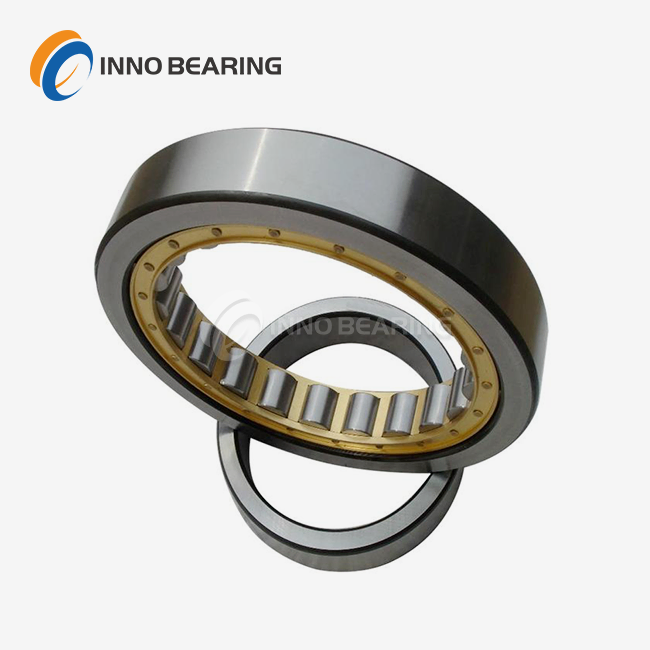
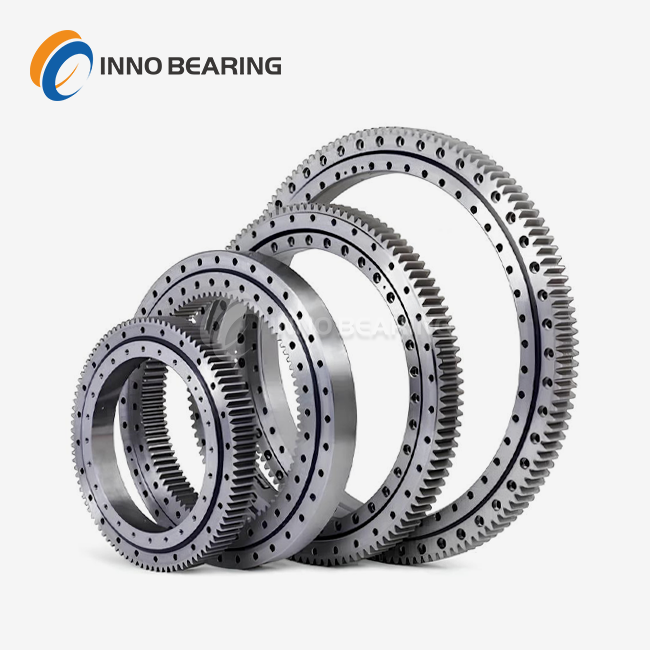
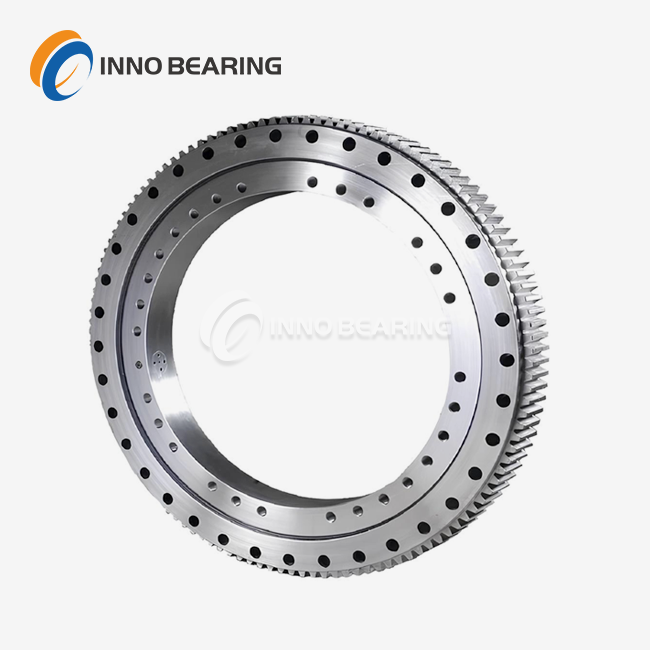
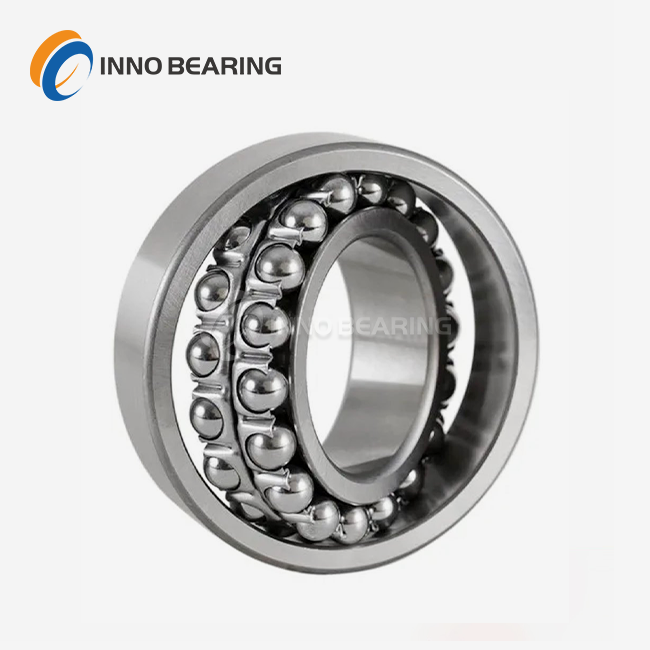
The global carb bearing industry includes well-known brands like SKF, NSK, Timken, FAG, and NTN, as well as newcomers like INNO Bearing. Each of these companies has its own benefits when it comes to precision engineering and design. These companies make important parts for wind energy, big machinery, and industry equipment that needs to be able to handle a lot of weight and last a long time. Knowing what the competition is doing helps buying experts find the best sources for their individual needs.
Understanding Carb Roller Bearings: Types and Materials
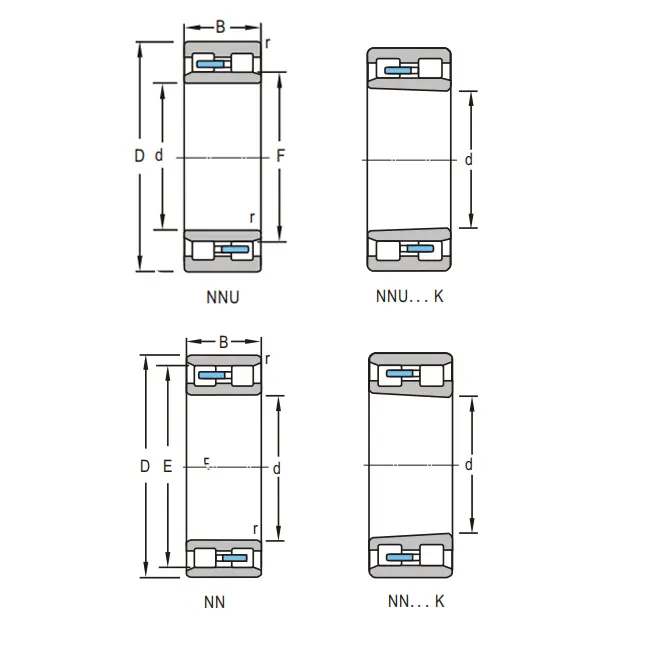
Carb roller bearings are a special kind of rolling element bearings that don't have standard inner or outer rings. This makes them perfect for situations where installation needs to be flexible and mounting errors need to be taken into account. Instead of using regular ring structures, these new parts have a unique structure made up of ring rollers and a cage system that is directly connected to the shaft and bearing housing.
Unique Structural Design and Applications
For engineers working in difficult installation situations, the ringless form of carb bearings offers major benefits. Here are the main advantages of this new structure:
- Radial load optimization: The direct touch between wheels and mounting surfaces makes it possible for better radial load distribution, which is especially helpful in electric motors and machine tool spindles where precise spinning is important.
- Installation flexibility: Because they don't have inner and outer rings, they are easier to put together in tight areas. This makes them perfect for big machinery and moving equipment where traditional bearings have mounting problems.
- Compensation for deviations: The structure's design naturally accounts for small installation errors, lowering stress levels that could cause early failure in tough industrial settings.
Carb roller bearings are very useful in situations where standard bearings can't fit properly or are hard to align because of these structural benefits. The design successfully fills the space between hard bearing systems and the need for flexible mounting in current industrial machinery.
Material Composition and Performance Standards
Material choice is very important for carb bearing performance. To make sure durability, makers use advanced steel metals and specialized parts. Compositions of GCr15, GCr15SiMN, and 20Cr2Ni4A are common for main bearing parts. These materials are very hard and don't break down easily. Stamped steel is a cheap material that can be used for cages, while brass is more durable in high-stress settings.
For normal uses, sealing systems use nitrile rubber, and for high temperature conditions, they use fluororubber. These materials create contact seals that keep internal parts clean while keeping the system running smoothly. These choices of materials are the result of decades of technical work to improve performance in a wide range of workplace settings.
Top Global Manufacturers of Carb Roller Bearings: A Comparative Overview
There are both well-known industry players and specialized producers in the carb bearing market. Each has its own unique skills that it uses to serve a wide range of industries. When buying teams know the strengths of each maker, they can choose suppliers that meet both short-term practical needs and long-term strategy goals.
International Market Leaders and Their Strengths
After decades of experience in the field, major bearing makers have come up with complete carb bearing options. In this niche field, the top companies set themselves up in this way:
- European companies that make: Precision engineering and advanced metals are important to companies like SKF and FAG. They make carb bearings with better physical accuracy and longer service lives for aircraft and defense uses that need to be very reliable.
- NSK, NTN, and Nachi are Japanese companies that focus on quality control and making high-quality products. They make carb bearings that work best in machine tools and other accurate equipment for high speeds.
- American companies that make: Timken uses its many years of experience in materials science to make carb bearings that can handle big loads in mines and heavy machinery.
When these companies fight, they offer new technologies, the ability to ship their products all over the world, and services that are tailored to specific applications. Each one offers a unique set of benefits that match the needs of different customers, ranging from lowering costs to improving performance in specific situations.
Quality Standards and Certification Requirements
For normal uses, manufacturing precision levels range from P0 to P6, and for high-precision needs, they range from P5 to P6. Each level corresponds to a different range of tolerances and operating features. Quality assurance methods focus on important inspection items like checking the roundness of the rollers, measuring the radial clearance, and making sure the seal contacts work properly.
Leading producers keep their quality management systems up to date with ISO 9001 standards and often look for other licenses that are specific to their businesses, like AS9100 for aircraft or green energy standards. These licenses give buying teams faith in the abilities of suppliers and the stability of products made in different parts of the world.
INNO Bearing: Solutions and Advantages in Carb Roller Bearings
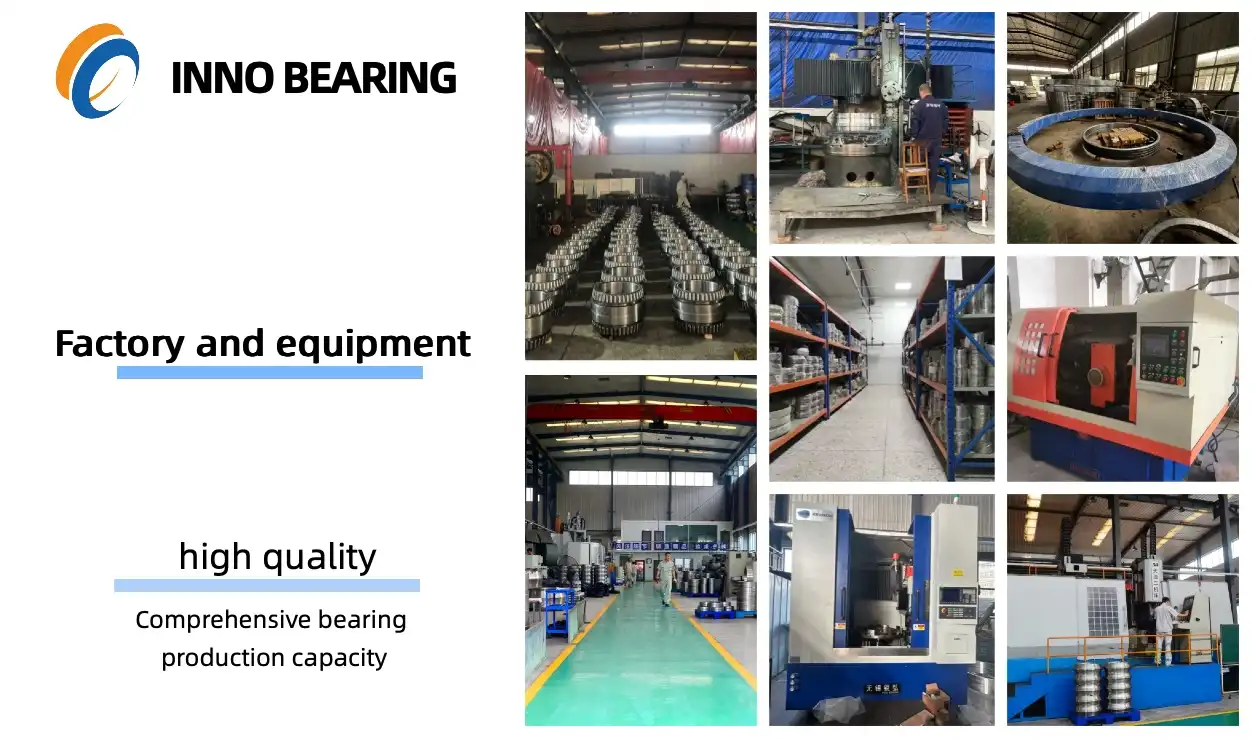
It has become clear that INNO Bearing is a reliable company that focuses on making big and non-standard bearings, such as advanced carb bearing types used in tough industrial settings. The company has been in this business for almost 30 years and combines research and development, manufacturing, and full customer service to provide unique Solutions for difficult bearing problems.
Advanced Manufacturing Capabilities and Product Range
As a skilled manufacturer, INNO Bearing can make carb bearings with amazing size ranges, including inner diameters from 50mm to 500mm, outer diameters from 100mm to 800mm, and widths from 20mm to 100mm. With this wide range of sizes, the company can help with everything from small electric motors to huge industrial machinery that needs special bearing solutions.
The company can make both standard setups and highly customized designs. They use advanced machine centers and precise measuring tools to make sure the dimensions are correct and the products work reliably. At every step of the manufacturing process, from inspecting the raw materials to testing and assembling the finished product, quality control is very strict.
Technical Excellence and Customer Support Services
The expert team at INNO Bearing offers full application engineering support for carb bearing products, which helps customers choose the best bearings for their unique needs. The company knows how to do temperature analysis, load calculations, and lifetime projections to make sure that bearings work well in tough conditions.
As part of customer support, you can get thorough technical instructions, help with installation, and upkeep tips that are made to fit your needs. The company keeps its global marketing skills and fast shipping choices for both standard goods and unique solutions. This helps customers' operations all over the world by making sure the supply chain works well.
How to Choose the Best Carb Roller Bearing Manufacturer for Your Business?
To find the best carb bearing provider, you need to carefully consider a number of factors that affect both short-term performance and long-term business success. Teams in charge of buying things have to find a balance between technology needs and business concerns. They also have to make sure that the help and dependability of suppliers are in line with the company's goals.
Technical Specification Matching
The first step in choosing the right bearing is to carefully look at the job at hand, taking into account things like the load, the speed, the surroundings, and how long the bearing is expected to last. Because they are built in a special way, carb bearings work well in situations where regular bearings might not work or fit properly.
Some important things that are looked at when judging are the load capacity, the level of accuracy needed, how well the material works in the given conditions, and how well the seal works in certain weather conditions. Engineers should also think about things like how easy it is to do upkeep, how easy it is to get new parts, and how well it works with other equipment designs.
Supplier Evaluation and Partnership Development
Building good connections with suppliers goes beyond choosing the right products at the start. It also includes ongoing professional help, supply chain stability, and the ability to work together to solve problems. Visits to suppliers, reviews of their abilities, and test projects that show how well they work in real-world situations are common parts of relationships that work well.
For providers who work with foreign businesses in the carb bearing sector, financial security, manufacturing capacity, and a global support system are all very important. Procurement teams should look at how much a seller spends on R&D, quality management systems, and commitments to long-term relationships that benefit from ongoing growth.
Installation, Maintenance, and Lifespan Optimization of Carb Bearings
Installing and maintaining carb bearings correctly has a big effect on how well they work and how long they last, so you need to know a lot about technology to get the most out of your investment. Because carb bearings don't have rings, they need to be handled and maintained in a way that is different from how other bearing systems are done.
Installation Best Practices and Common Challenges
When installing a carb bearing, the shaft and case must be carefully prepared to make sure that the manufacturer's requirements for surface treatments and measurement standards are met. For the positioning system to work well, the bearing parts must be in direct touch with the mounting surfaces. This means that the quality and accuracy of the surfaces are very important.
As part of the installation process, radial gaps are usually carefully measured, the right lubricant is applied, and the nuts are tightened in a planned way to make sure the load is spread out evenly. Paying extra attention to keep the fitting area clean helps protect the bearing system from early wear and performance loss.
Maintenance Strategies and Performance Monitoring
Effective carb bearing care plans focus on managing lubricant, preventing contamination, and keeping an eye on the bearing's state to spot early signs of wear or changes in performance. Checking the seals' soundness, the regularity of the greasing, and the working temperature trends on a regular basis can tell you a lot about the health of the bearings and how long they will last.
Predictive maintenance methods that use sound analysis, oil analysis, and temperature tracking let you take action before major problems happen. These tactics work especially well in situations where a broken bearing could cause a lot of unwanted downtime or safety issues.
Conclusion
There are many manufacturers in the carb bearing market, and each one has its own strengths when it comes to technology, customization, and world support. To be successful at bearing buying, you need to match technical needs with what suppliers can do and build relationships that support long-term operating goals. INNO Bearing is a great partner for challenging industrial uses because it has a lot of experience with big and unique bearing solutions, offers full technical support, and can ship products all over the world. Knowing what a maker can do, what their products are made of, and what the application needs means you can make smart choices that improve the performance of your tools and the speed of your operations.
FAQs
What's different about carb roller bearings from other types of bearings?
Carb roller bearings don't have standard inner or outer rings. Instead, they use a cage and roller system that is directly connected to the shaft and bearing case. Compared to traditional bearing systems, this one allows for more fitting options, can handle mounting errors, and is easier to put together.
What kinds of precision are there for carb bearings, and how do I choose the right one?
Most standard carb bearings offer precise values of P0 or P6, but P5 accuracy can be requested for high-performance uses. Which one to choose relies on how accurate the spin needs to be, how fast it needs to be, and how much noise is acceptable in your application.
How do I make sure that the quality of a carb bearing and its ability to perform are checked before I buy it?
Manufacturer Certificates, paperwork on the makeup of the materials, measurement inspection records, and performance test data should all be part of quality proof. Reliable providers give detailed scientific information about roller roundness, radial clearance measures, and seal performance traits.
Partner with INNO Bearing for Premium Carb Bearing Solutions
INNO Bearing offers high-quality carb bearing solutions designed for tough industrial uses. They do this by blending 30 years of manufacturing experience with advanced customization options and fast shipping around the world. Our wide range of products is used in fields from heavy machinery to wind energy. We offer strict quality control and a lot of expert help. Our experienced team can help you with application planning and make sure your supply chain works well, whether you need standard configurations or unique designs. Get in touch with our carb bearing experts right away to talk about your unique needs and find out how our precision-engineered solutions can help your equipment work better. If you need a carb bearing provider, email us at sales@inno-bearing.com for a full scientific advice and the best prices around.
References
Harris, Tedric A., and Michael N. Kotzalas. "Advanced Concepts of Bearing Technology: Rolling Bearing Analysis." 5th Edition. Taylor & Francis, 2007.
Hamrock, Bernard J., Bo Jacobson, and Steven R. Schmid. "Fundamentals of Machine Elements: Rolling Element Bearings." 3rd Edition. McGraw-Hill Education, 2013.
ISO 492:2014. "Rolling Bearings - Radial Bearings - Geometrical Product Specifications (GPS) and Tolerance Values." International Organization for Standardization, 2014.
Palmgren, Arvid. "Ball and Roller Bearing Engineering: Industrial Applications and Material Selection." 3rd Edition. SKF Industries, 1959.
Warda, Bernd, and Klaus Bethge. "Rolling Bearing Steels - Properties and Applications in Modern Industry." Steel Research International, Vol. 85, No. 4, 2014.
ANSI/AFBMA Standard 20-1996. "Radial Bearings of Ball, Cylindrical Roller and Spherical Roller Types - Metric Design." American Bearing Manufacturers Association, 1996.